
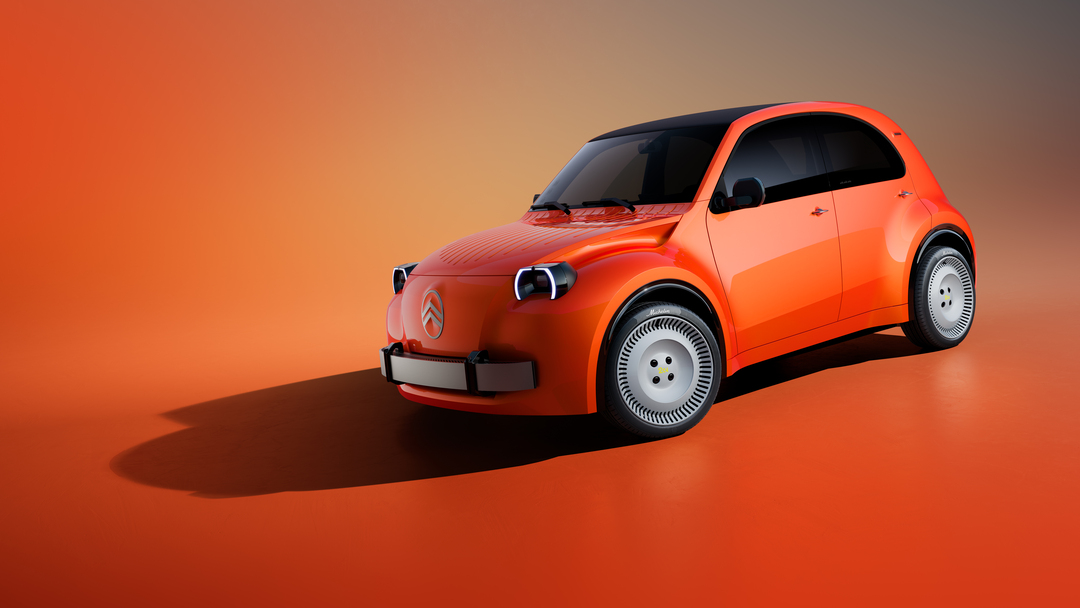
Citroën unveiled the 2 CV Concept at the 2026 Paris Motor Show, an electric small car that revives the name of the 2 CV. It previews a production model that will join the Citroën range by 2028. Citroën describes the concept as electric, minimalist, affordable, and compact, and says it aims to reignite interest in electric mobility with a lighter, simpler car.
Xavier Chardon, CEO of Citroën, said: “Reinventing the 2 CV isn’t about replicating a car from the past; it’s about reinventing what made it unique: its simplicity, its accessibility and the freedom it offered. With the 2 CV Concept, we’re bringing that spirit into today’s world to make electric mobility simpler, more human and more desirable. The world has changed. But the idea remains the same: to make life more beautiful with Citroën.”
Citroën said it did not set out to recreate the original car. Its starting point was a small electric car for everyday short journeys. The original 2 CV was unveiled at the 1948 Paris Motor Show to meet practical requirements, and it stayed in production until 1990. Citroën said the concept follows the same approach, with a specification focused on essential needs and without superfluous features.
The 2 CV Concept was developed in line with the new European E-Car regulations and sits between the Ami and the C3 in Citroën’s line-up. It is to be manufactured in Europe, with a target starting price of around 15,000 euros. Citroën is positioning the car in a market where vehicles are growing larger, heavier, more sophisticated, and more expensive.
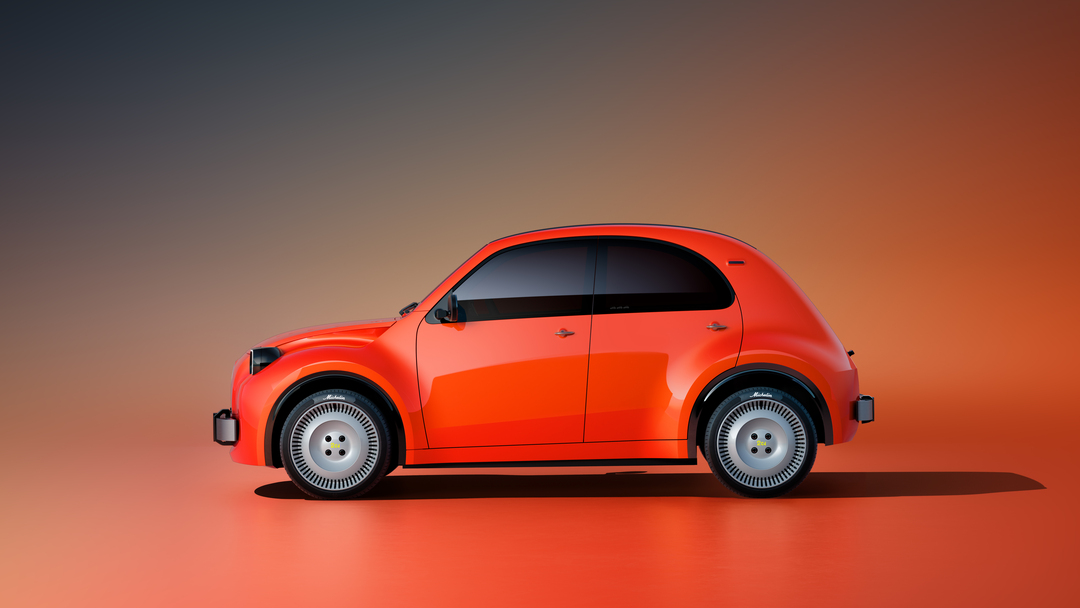
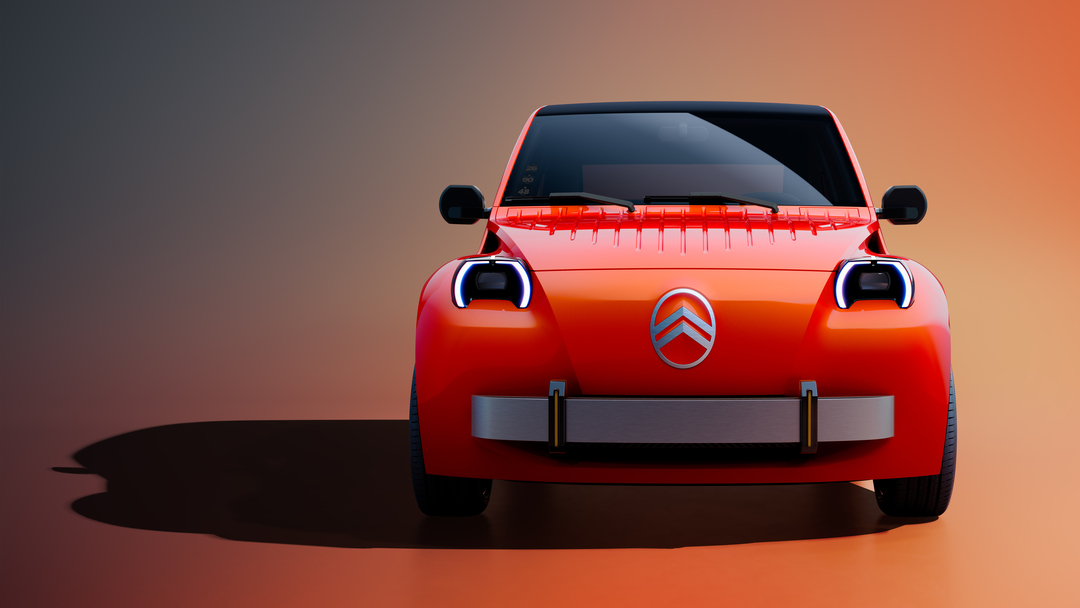
At 3.76 m long, the concept is shorter than the original 2CV, a deliberate choice to make driving and parking easier. Citroën is aiming for a weight of one tonne. Less mass allows a smaller, more cost-effective battery, with a range tailored to everyday use and low running costs. Citroën also said the design accounts for mass production and ease of repair, with flat surfaces, direct air intakes beneath the windscreen, and bumpers separated from the bodywork that can be replaced independently.
Citroën’s partner Michelin developed the “universal digital twin of the tire” for the project. The system lets the vehicle adapt its behavior to its environment and continuously monitor tire condition.
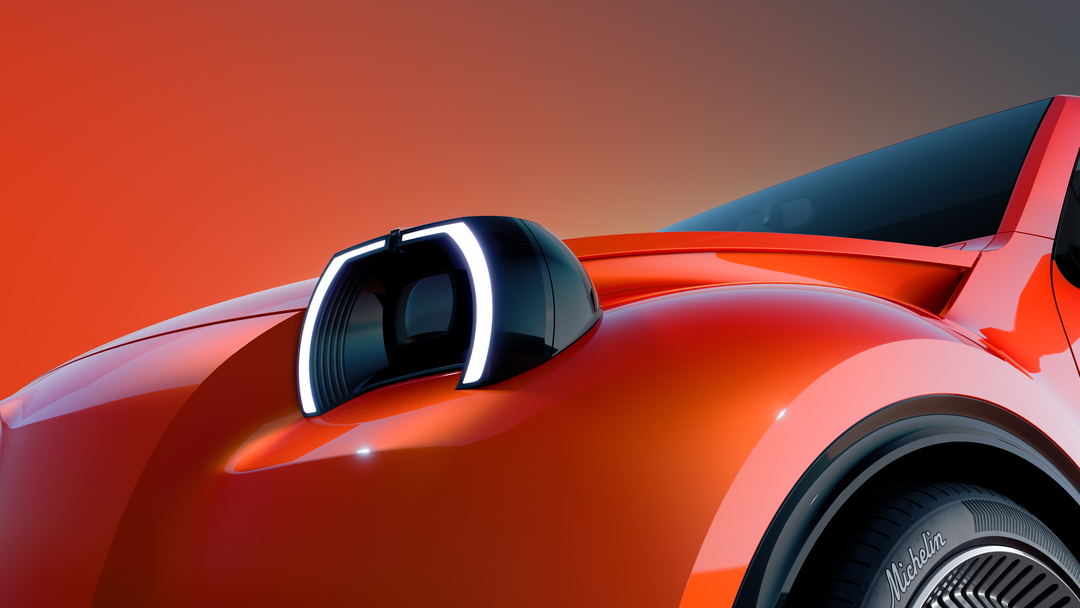
Design-wise, Citroën kept the 2 CV’s recognizable silhouette and proportions but gave it tauter lines and more generous volumes. At the front, round headlamps sit apart from the bodywork, an LED signature, a sculpted, sweeping bonnet, creases inspired by the TPV (the prototype that preceded the 2 CV), integrated air intakes, and exposed windscreen wipers.
On the sides, the concept has a vertical windscreen, a curved roof, rounded wings, taut flanks, contoured door handles and tapered indicators on the C-pillar. It rides on 18-inch steel wheels inspired by the 2 CV, fitted with Michelin tires bearing the Heritage logo and the Citroën chevrons.
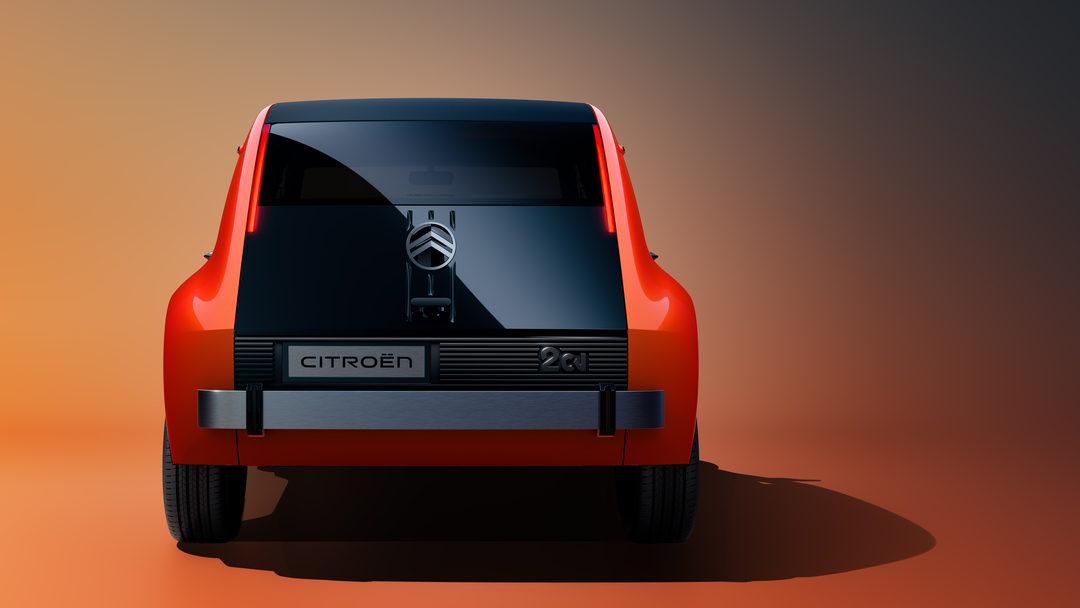
At the rear, a black tailgate extends down to the bumper, as on the first-generation 2 CV. LED lights sit on either side of the tailgate, with three horizontal stripes, a short overhang, and a visible tailgate handle. The number plate displays the 2 CV’s nicknames in different countries.
Inside, the concept has no traditional dashboard. Instead, Citroën fitted a cylinder that carries a single-spoke steering wheel, a single control lever, a paddle-shift gear selector, and a Citroën Smart Vision display that places essential information within the driver’s field of vision. It also features an 8-inch square “phygital” touchscreen with comic book-inspired graphics.
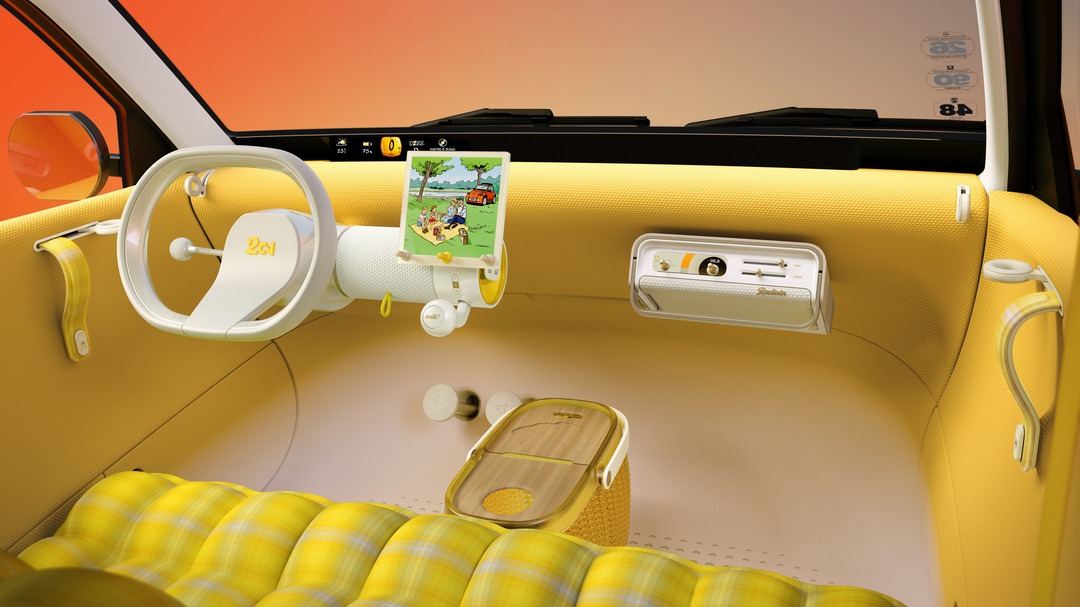
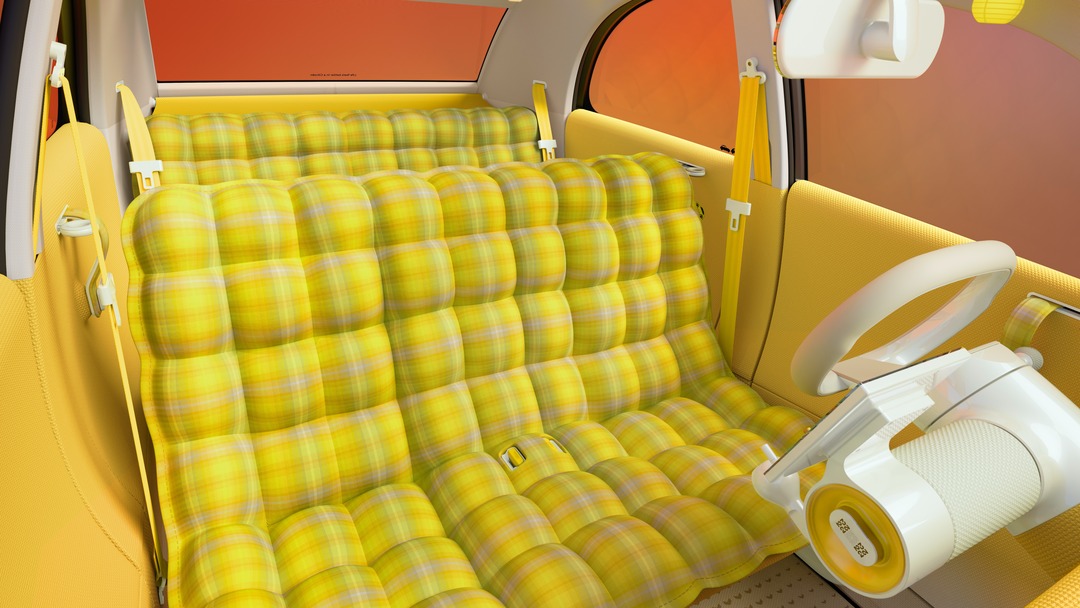
Door panels are recessed to free up space, and the wide seats use Citroën Advanced Comfort technology. The front seat can be pulled out. A removable storage basket replaces the center console, and the door handles are made from soft straps. Citroën also fitted a detachable radio called “Radioën” that doubles as a speaker and can be used inside and outside the vehicle, as well as a fabric sunroof.
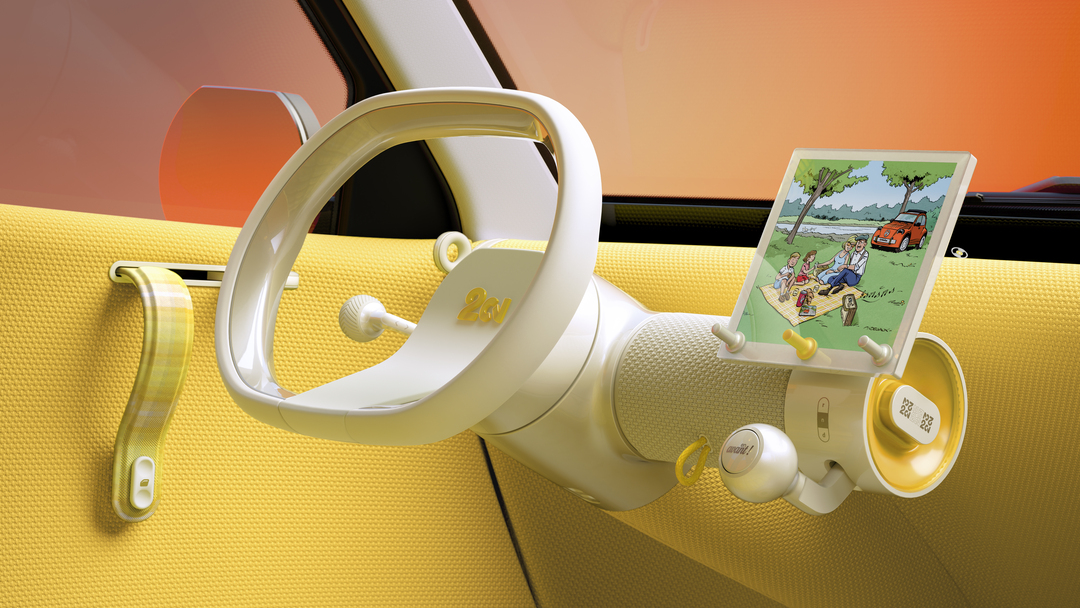
The exterior is finished in Infra Red, derived from an orange base with yellow and red highlights. The seats are covered in a reworked version of the 2 CV’s tartan motif in yellow shades, with beige details reminiscent of Bakelite on the steering wheel, controls, instrument panel, and seat piping. The floor, dashboard and door panels use a textured fabric inspired by cane and basketry. The basket combines wood and bio-based plastic and was 3D-printed, with wood also used around the Radioën unit. The light grey steel wheels carry yellow “color clips” bearing the 2 CV inscription.
Citroën added several heritage references. The horn and the electric motor’s start-up sound echo those of the original 2 CV. Heart-shaped stickers refer to the model’s popularity, and the numbers 48 / 90 / 26 on the windscreen mark the 1948 launch, the 1990 end of production and the 2026 unveiling of the concept. The Michelin tires have an exclusive chevron pattern. The pedals feature a tortoise for the brake and a rabbit for the accelerator, and the door storage compartments are designed to hold eggs, a nod to the original specification.




0 Comments
Leave a Reply