
The Mitsubishi XForce is a vehicle that’s piqued my interest ever since it was released. I’d say that the styling really catches your eye – it’s modern, without being too edgy or out there.
When I do get the chance to ask people why I don’t see enough of them on the road, there are a myriad of answers: From “too much competition,” “because Chinese cars exist,” “too expensive,” “lackluster powertrain,” and others – you name it.
So when Mitsubishi Motors PH gave me the opportunity to test out the entry-level GLX variant, I just had to take it.
Here are my thoughts after 8 days of testing.
Exterior
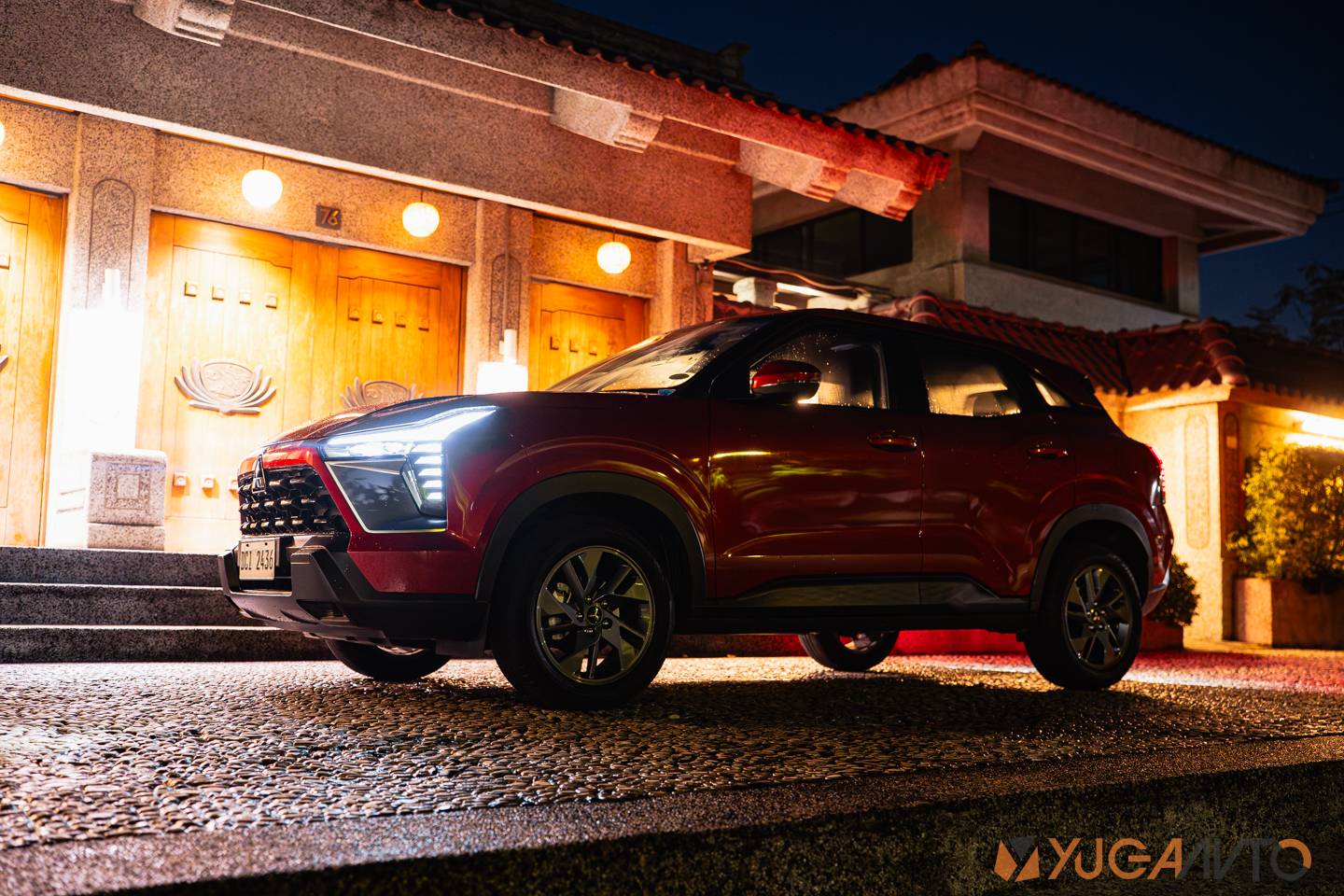
It doesn’t take much backreading to find that I have a favorable impression of the XForce’s design.
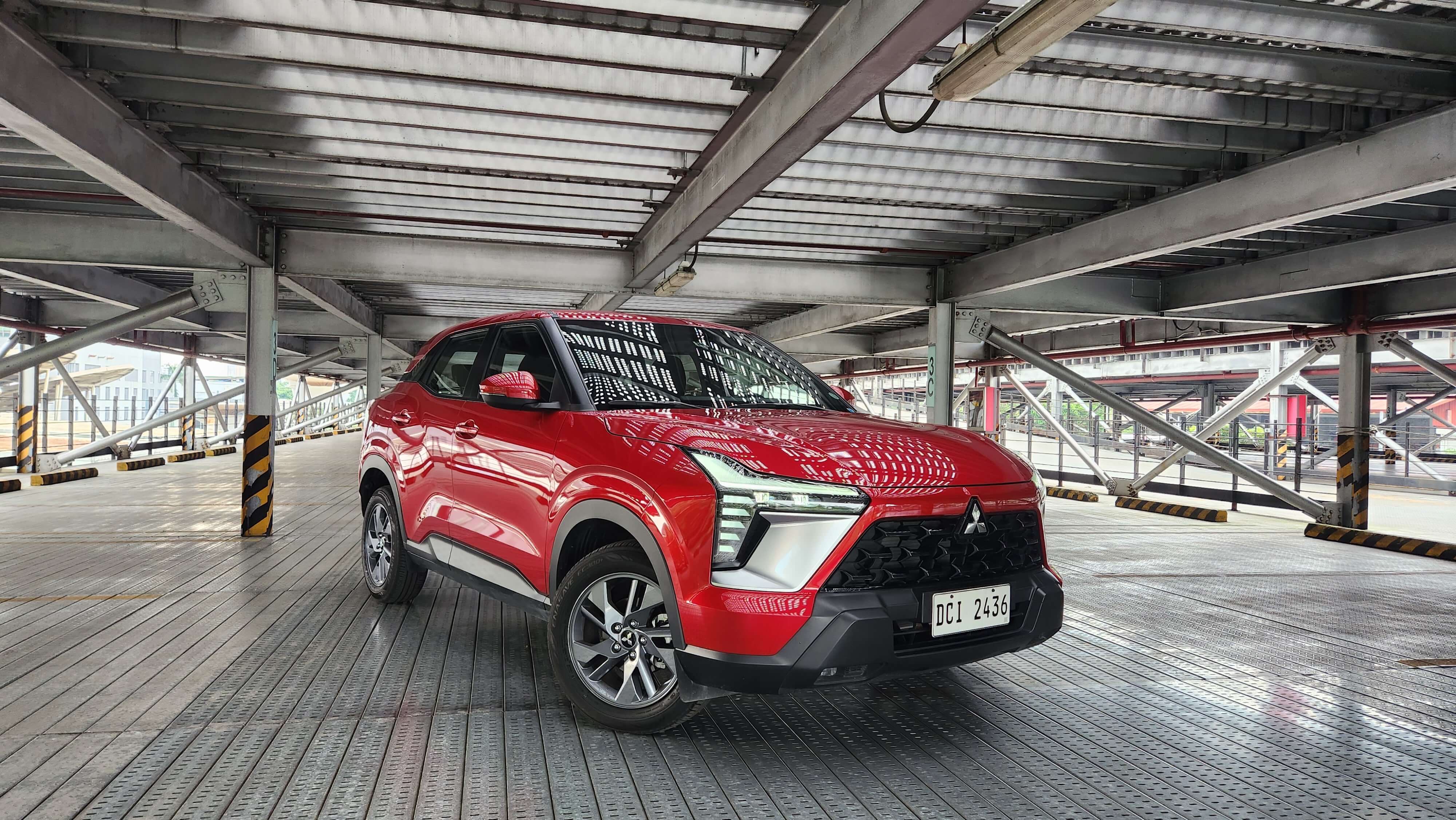
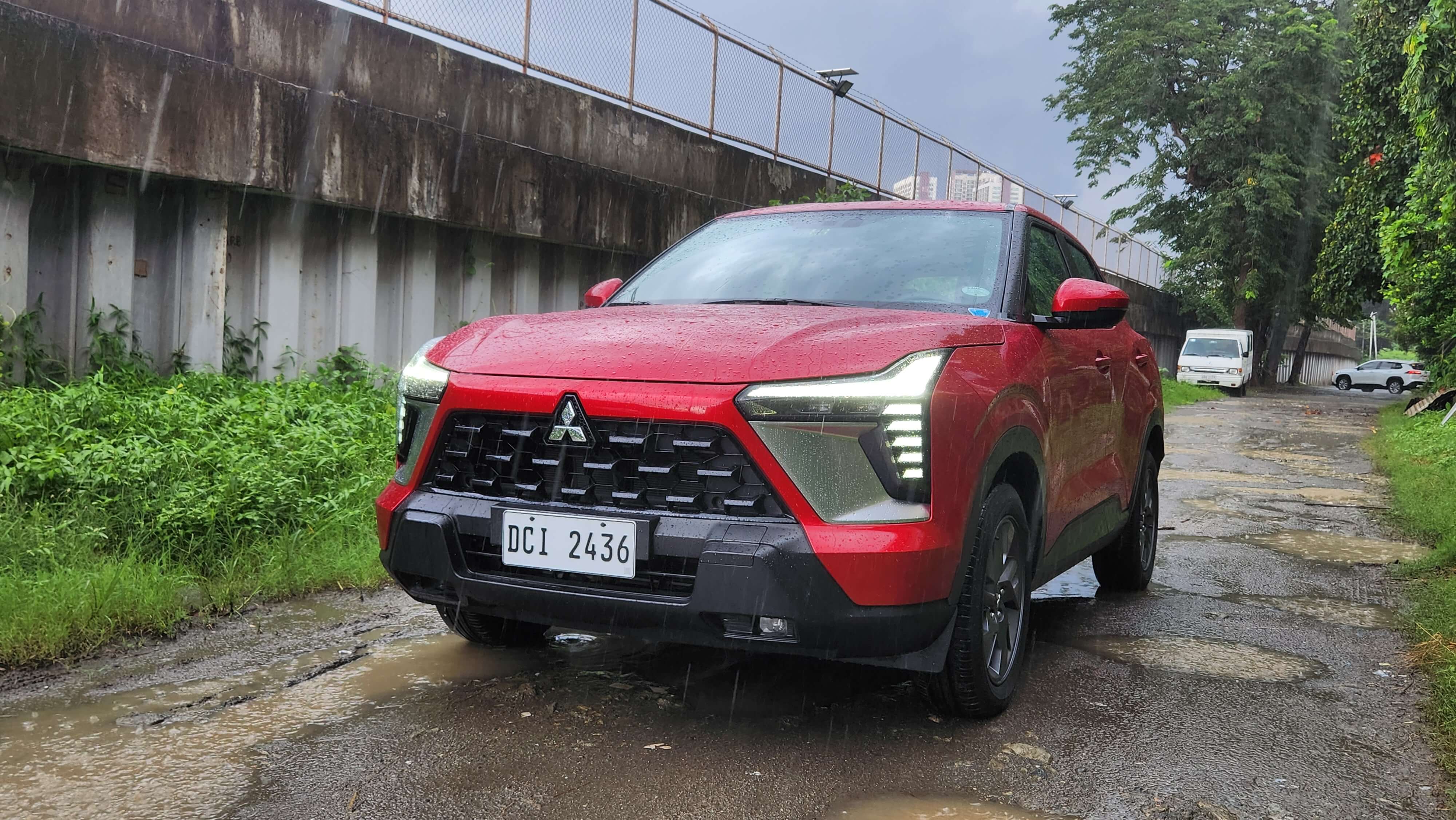
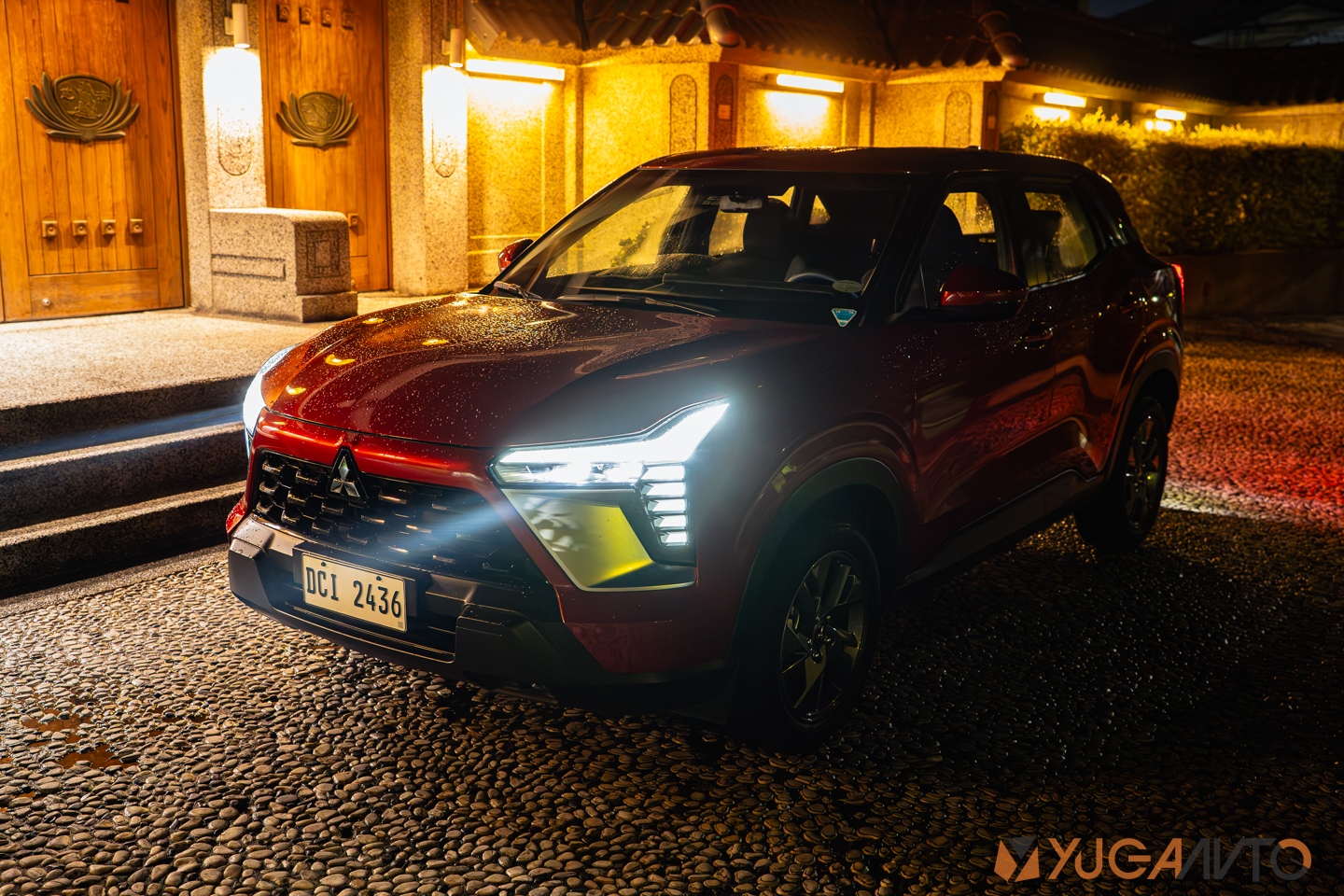
The vehicle greets you with a menacing front fascia called Mitsubishi’s “Dynamic Shield Concept.” Everything is sharp, angular, and geometric. The T-shaped LED headlamps are complemented by a silver accent piece underneath.
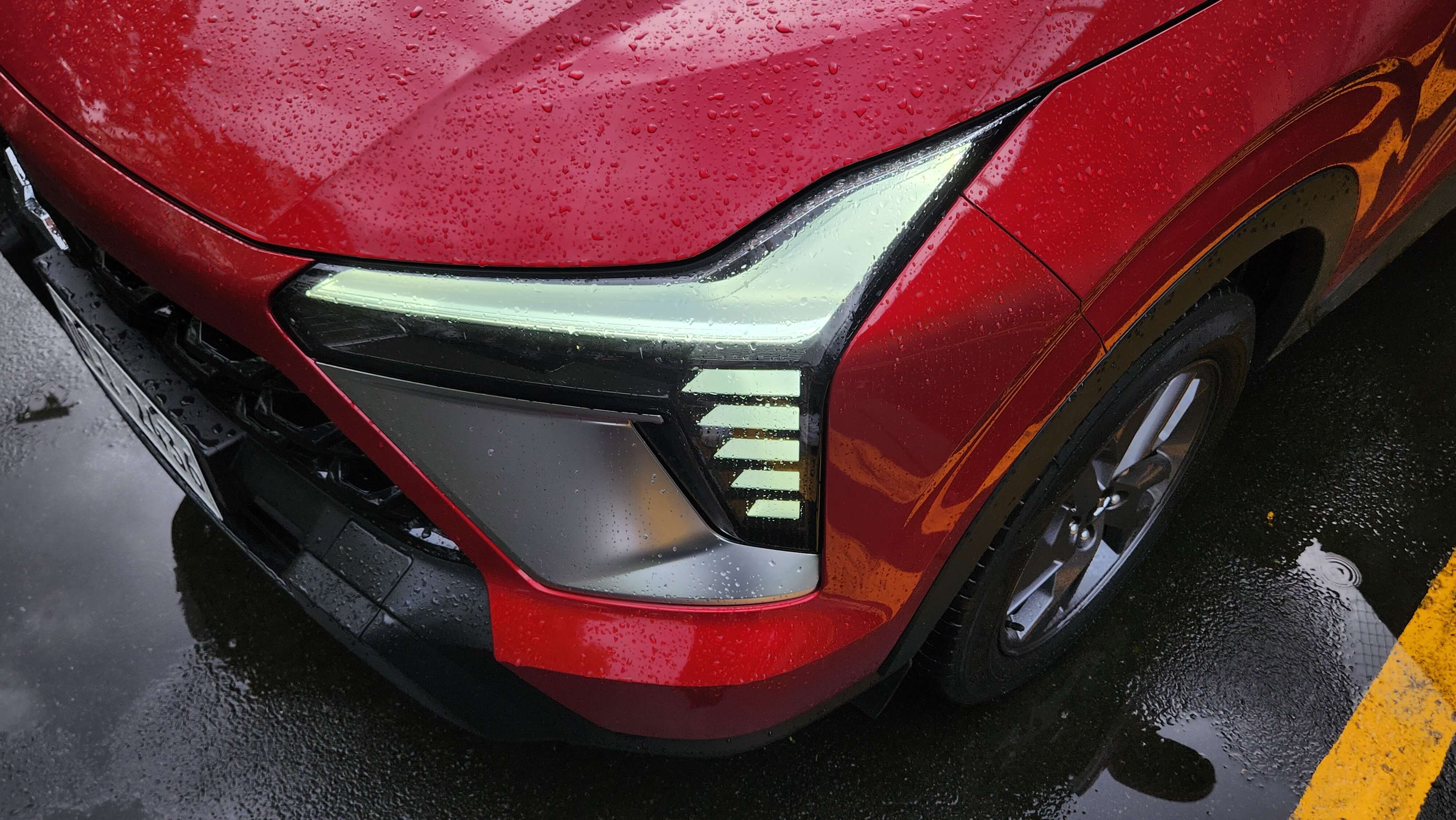
Meanwhile, the grille shares the same sharp features, just coming short of the hood line. It’s a busy front end, with all the elements tied together by the Mitsubishi brand logo like a neat bow.
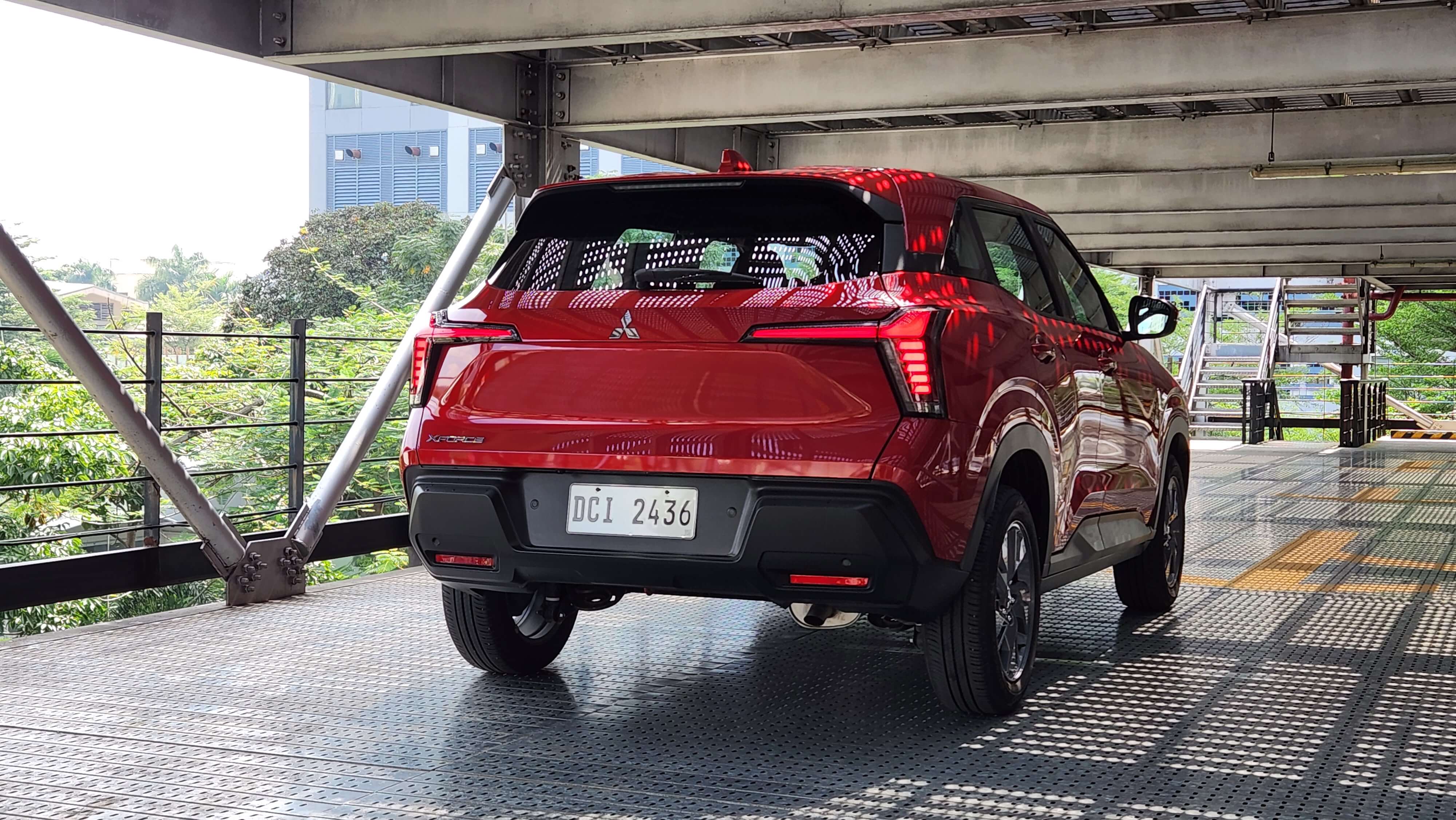
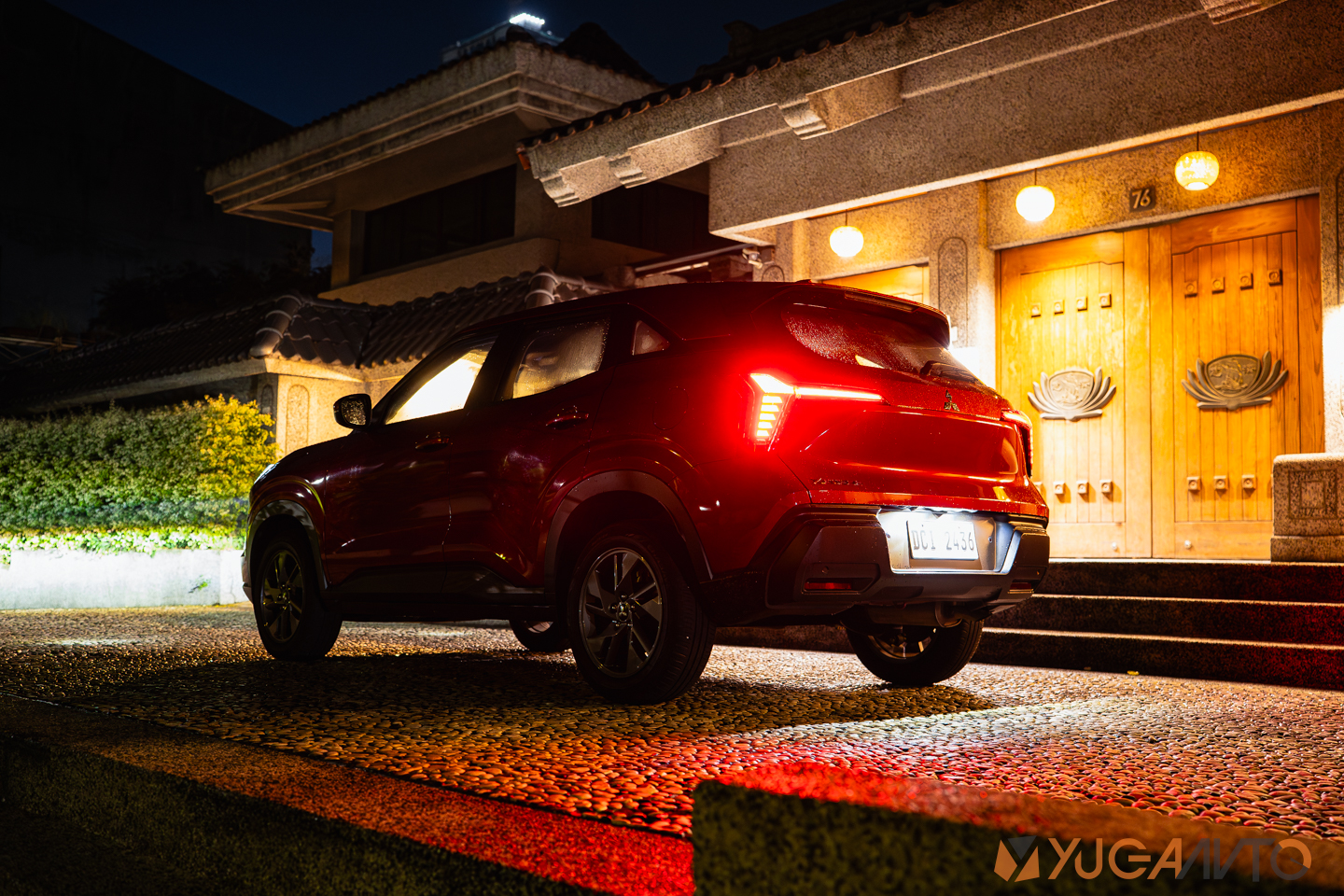
The same can be said for the backend, where the same T-shaped taillights are carried over. The hexagonal protrusions in the rear bumper reinforce the brand’s approach to this car’s styling.
As this is the base variant, it comes with 17-inch alloy wheels. This gives it 193mm of ground clearance, edging out more urban-focused crossovers like the Hyundai Creta, Kia Stonic, and the Ford Territory. It’s just a bit lower than the Toyota Yaris Cross, Honda HR-V, and the Subaru Crosstrek. But if that’s a problem, it can be resolved by the jump to 18-inch wheels on the higher (GLS/GT) trims (222mm).
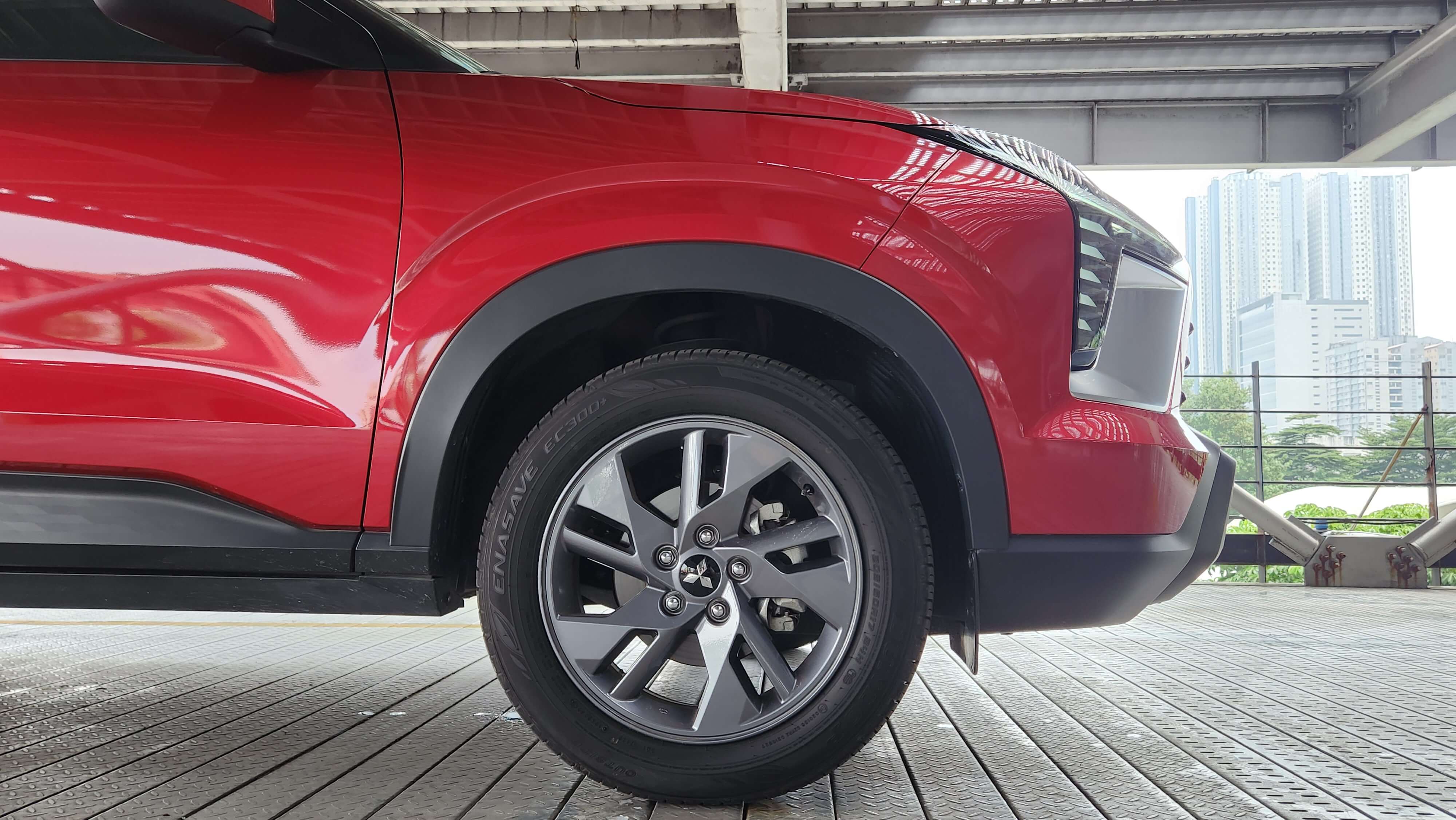
Anyhow, at no point did I feel that this was remotely inadequate.
Overall, the XForce’s exterior strikes the fine line between futuristic sophisticated flair and everyday practicality.
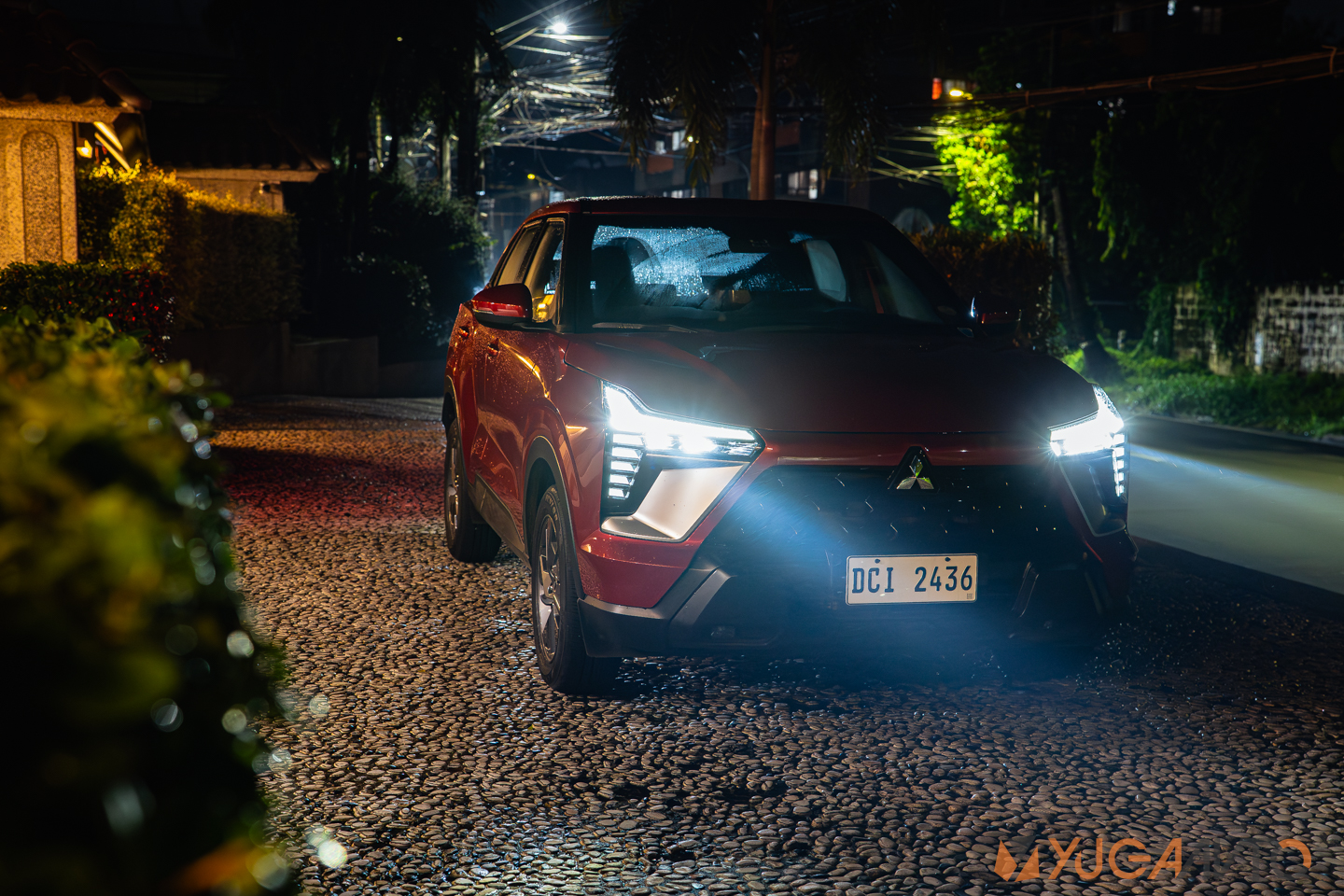
Two things though: Mitsubishi exteriors have always been quite polarizing (especially with the current-generation Montero) so this one is no different, and I personally would opt for another color instead of my test unit’s red.
Interior
Stepping into the GLX, I had already braced myself for a barebones experience. After all, this specific variant was introduced later on to make the XForce more accessible price-wise.
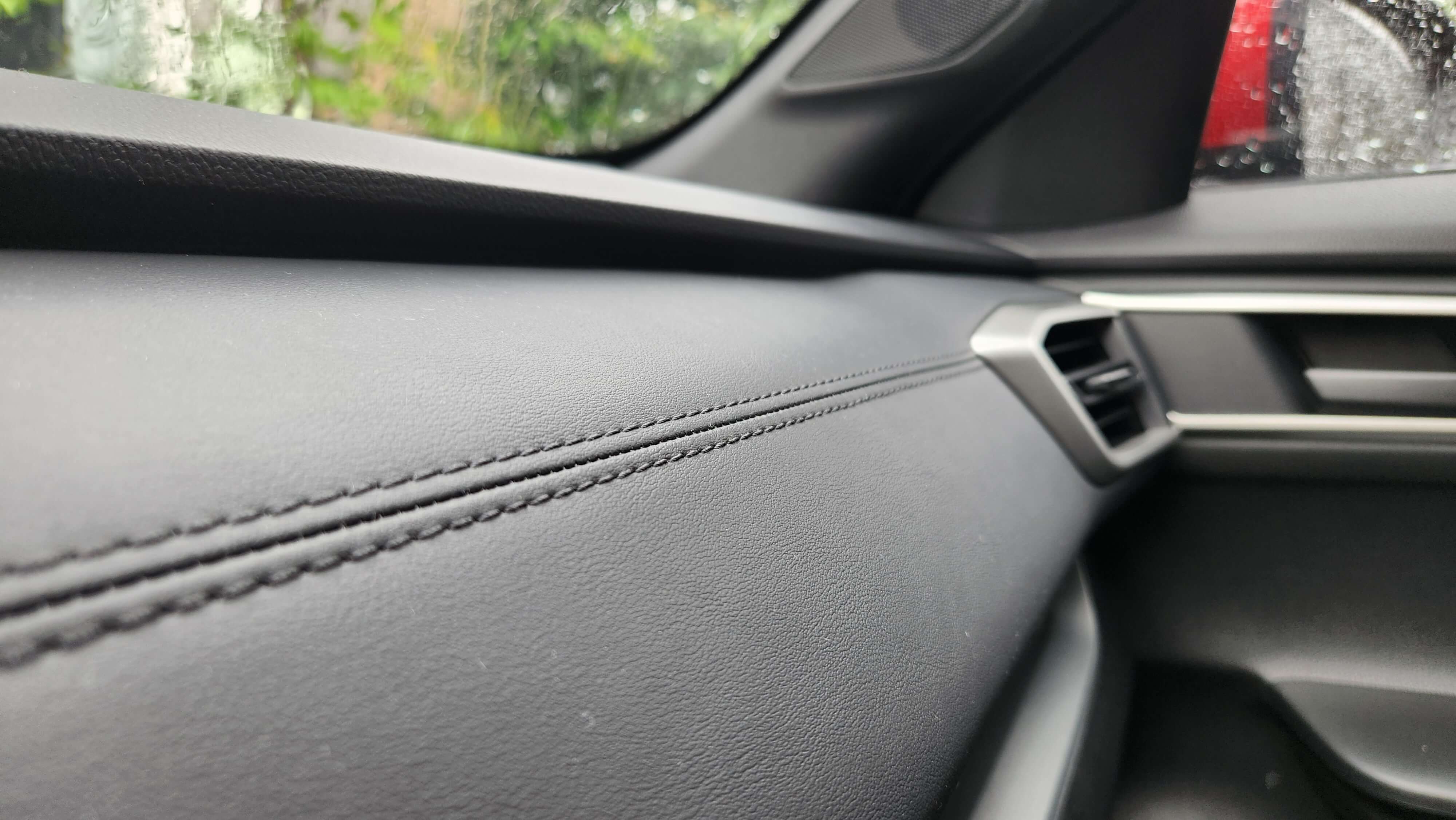
Well… I’ll be the first to admit, I was pleasantly surprised. Even in the GLX’s monochromatic dark grey interior, enough leather-feeling soft touchpoints have been sprinkled across the cabin to keep it from feeling cheap.
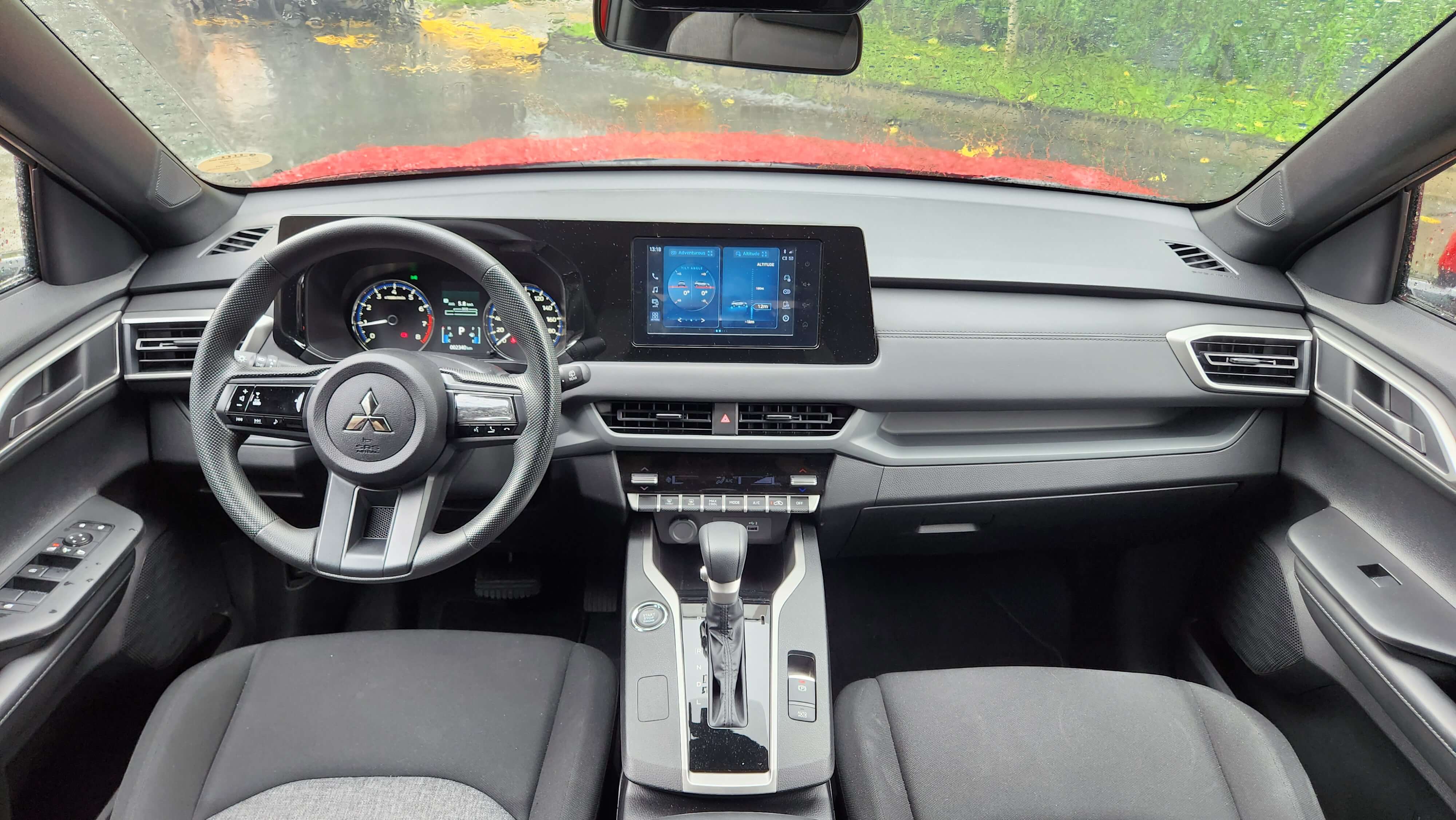
The dashboard even has stitching, a welcome addition in this space.
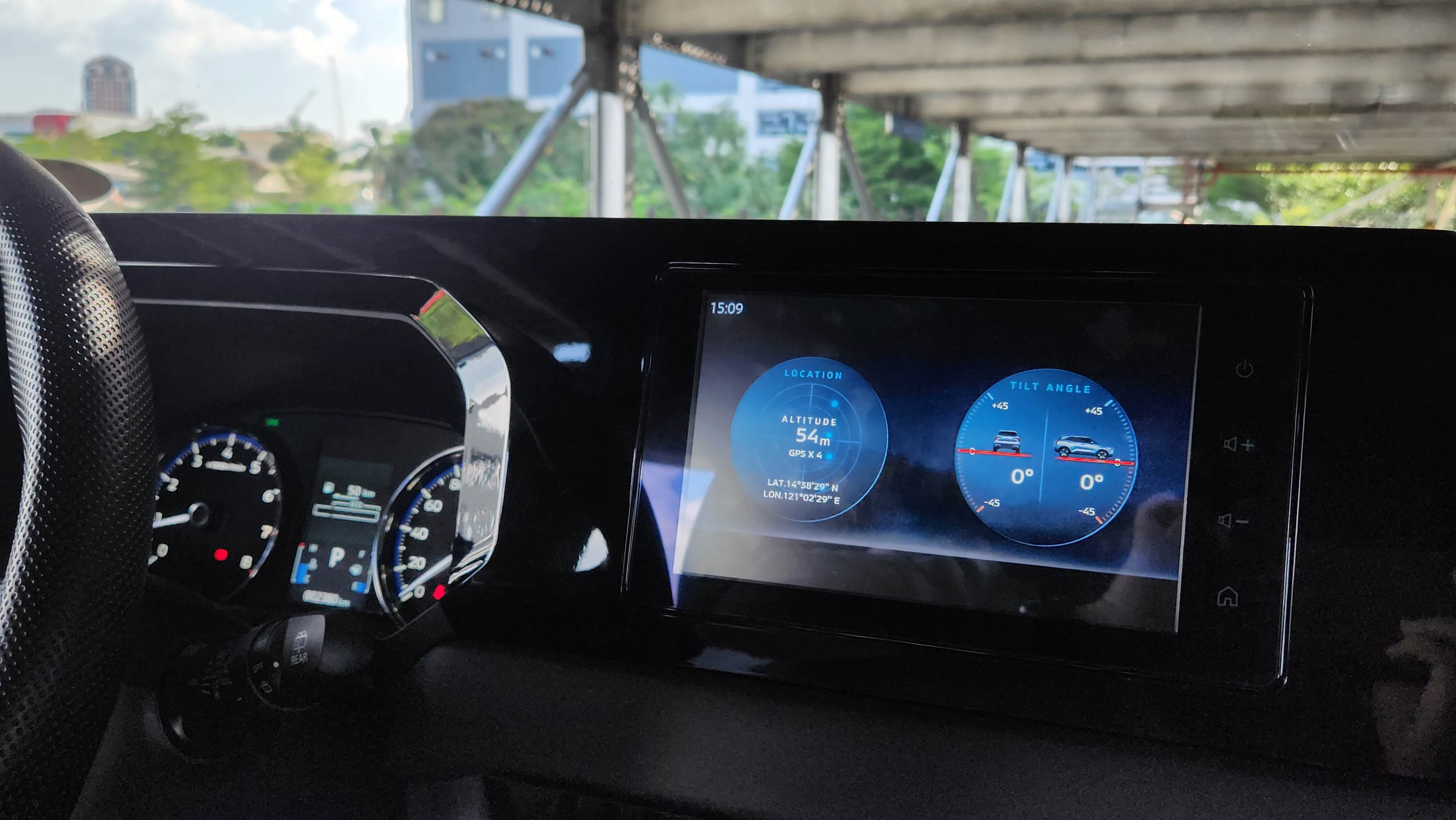
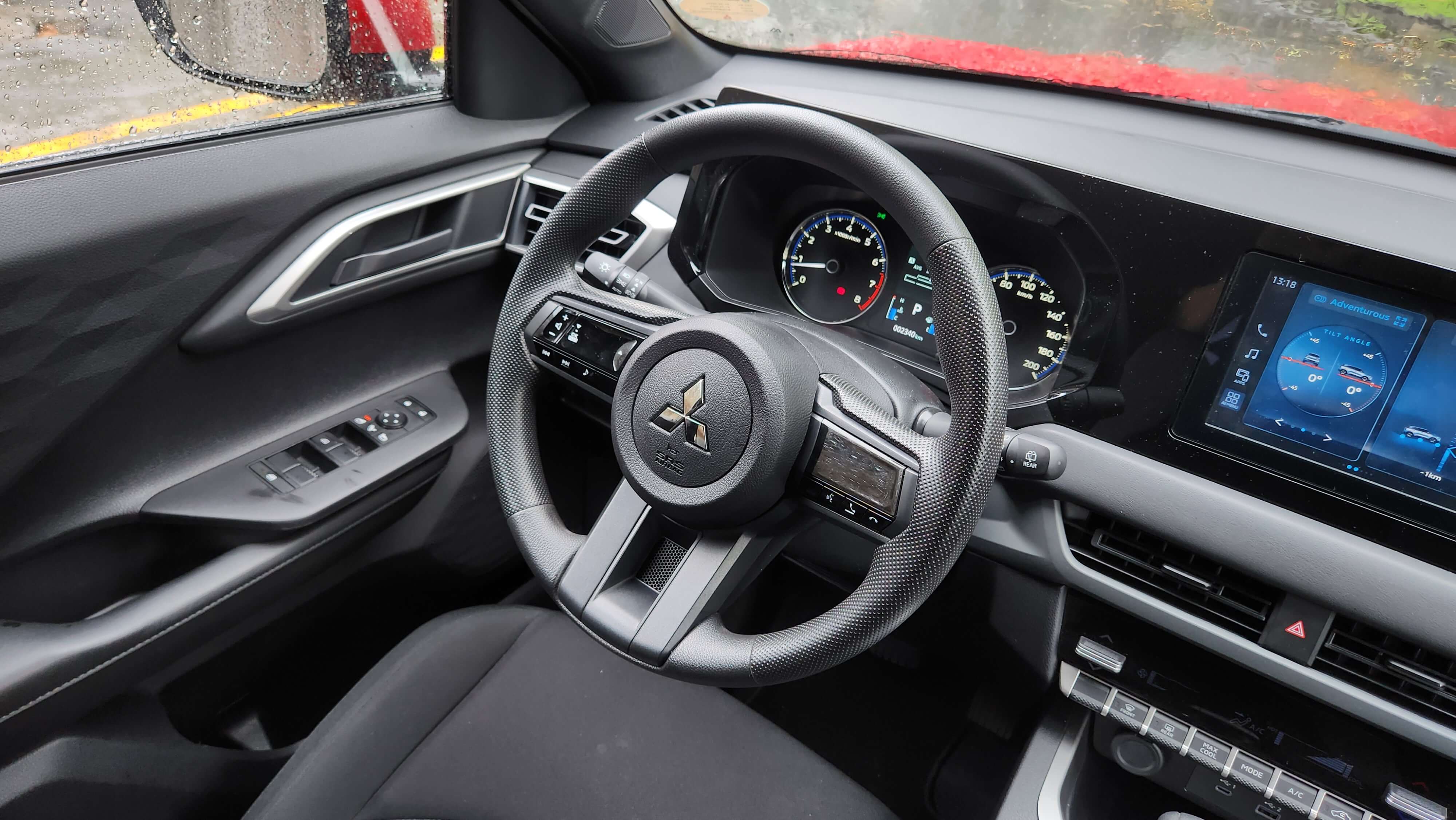
The gauge cluster being analog doesn’t seem to take away from the XForce at all. The 4.2-inch screen at the center provides all necessary information such as range, vehicle angle and fuel economy; while the simple dial layout comes off as no-nonsense, clear, and ultimately timeless.
Right next in the driver’s peripheral vision is the installed 8-inch head unit, compared to the sizeable 12-inchers found on the GLS/GT trims. It doesn’t fill up the area quite as nicely, nor is it the most vivid panel around. However, the unit operated flawlessly in my 8 days of testing. Never did it lag, hang, or stutter. Wired Android Auto always worked like a charm.
I’m a stickler for audio (check YugaTech!) and cannot stand subpar speaker systems in vehicles. Despite the fact that the GLX doesn’t get the same Yamaha 8-speaker arrangement in the upper trims, the 6-speaker setup here is definitely satisfactory. The quality was never offensive or tinny (trust me, I have experienced a lot, from mediocre to atrocious), which hopefully means it would be good enough for most people.
Even the A/C control panel is a well-balanced mix. It sheters a classy display to inform you of the fan speed and interior temps, but maintains the tactility of buttons and switches. That makes it easy to use even while you’re driving. Please, keep me away from “in-screen only” A/C controls!
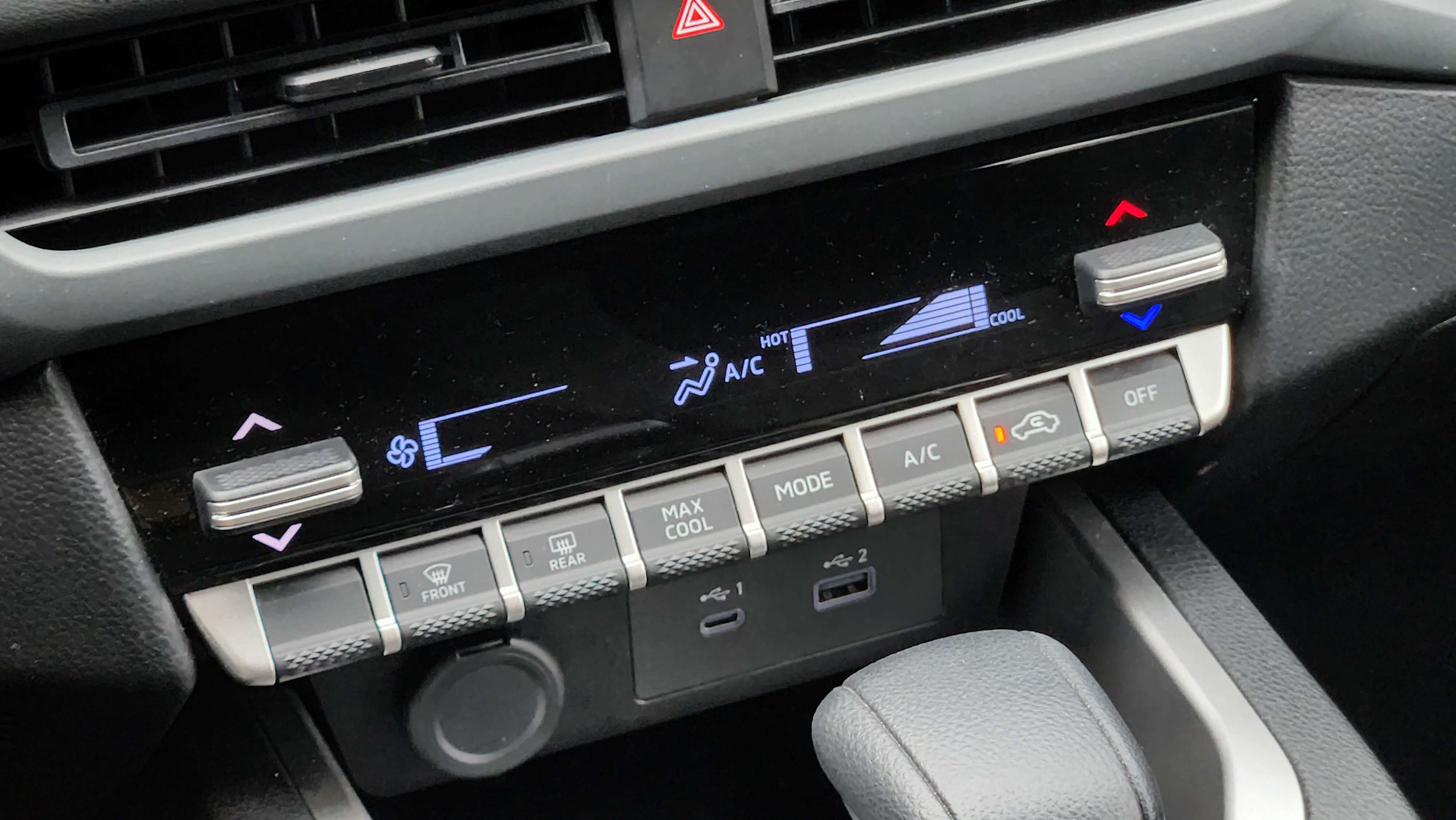
There are a surplus of pockets to store items as well. Examples include the cubby underneath the A/C controls with USB ports for charging and wired Android Auto/CarPlay as seen above.
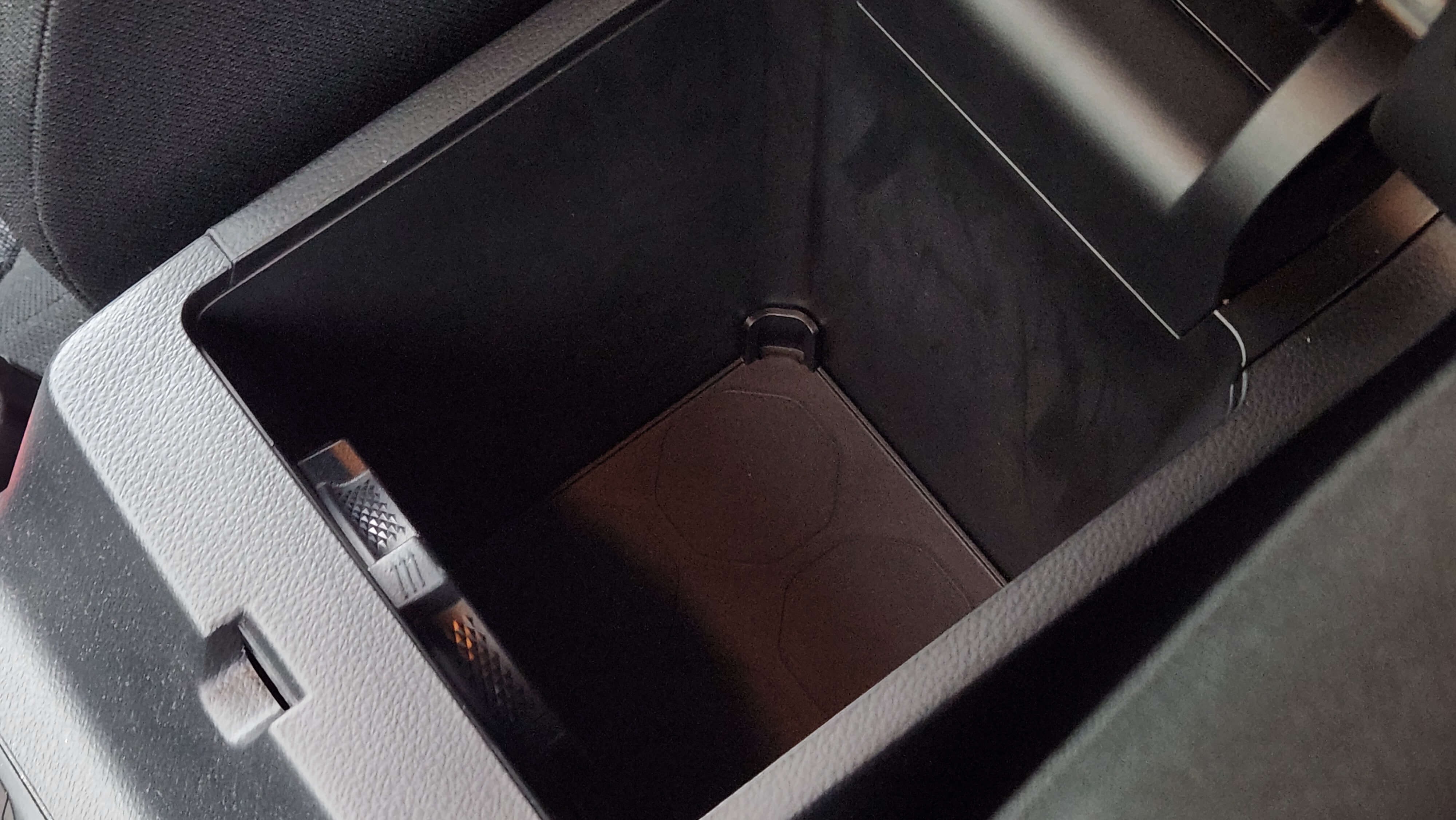
Admittedly, the center console is literally the coolest; it comes with a chiller included.
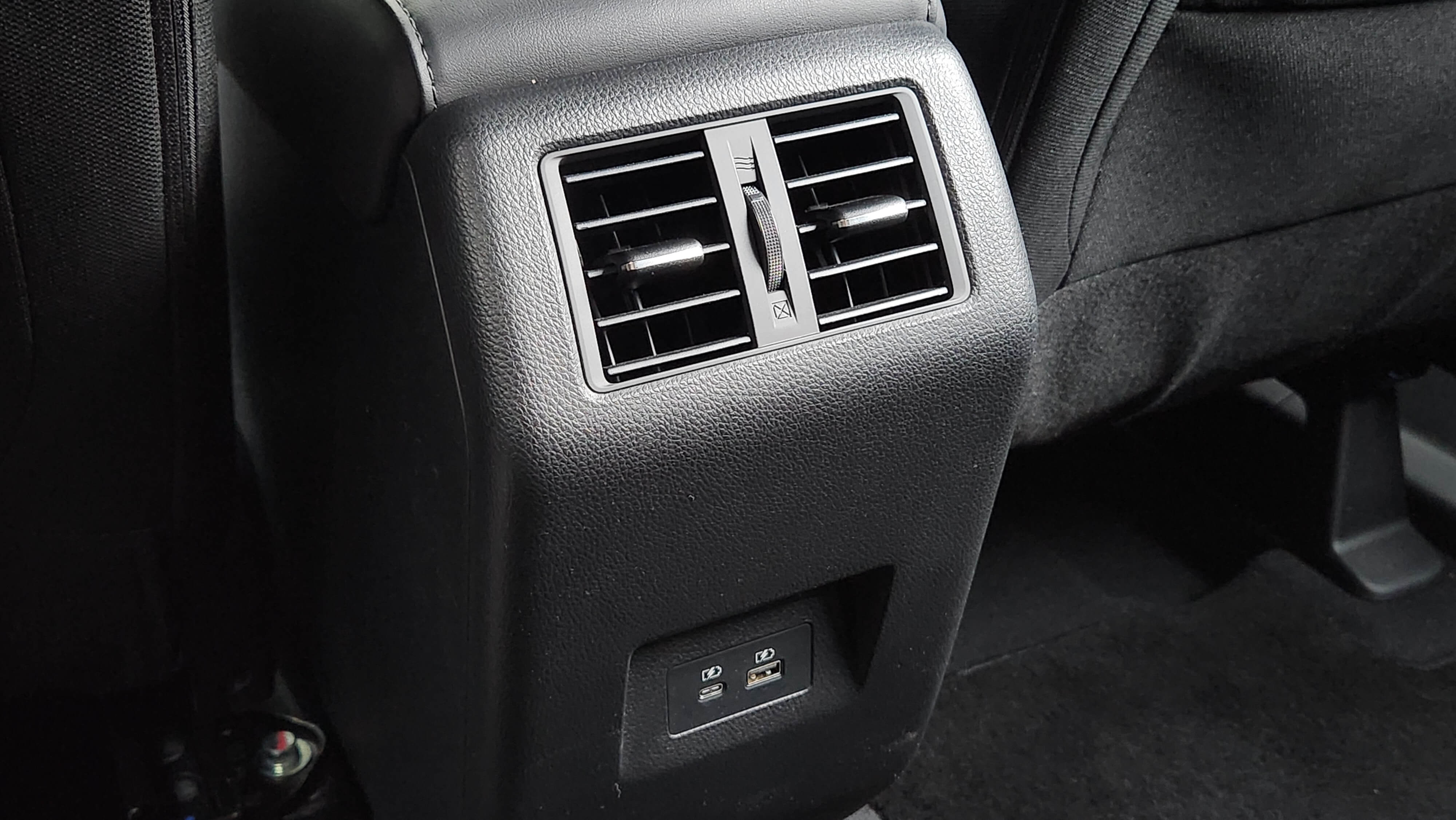
Rear passengers are also treated to charging ports and adequate legroom.
410 liters of cargo space are available for road trips!
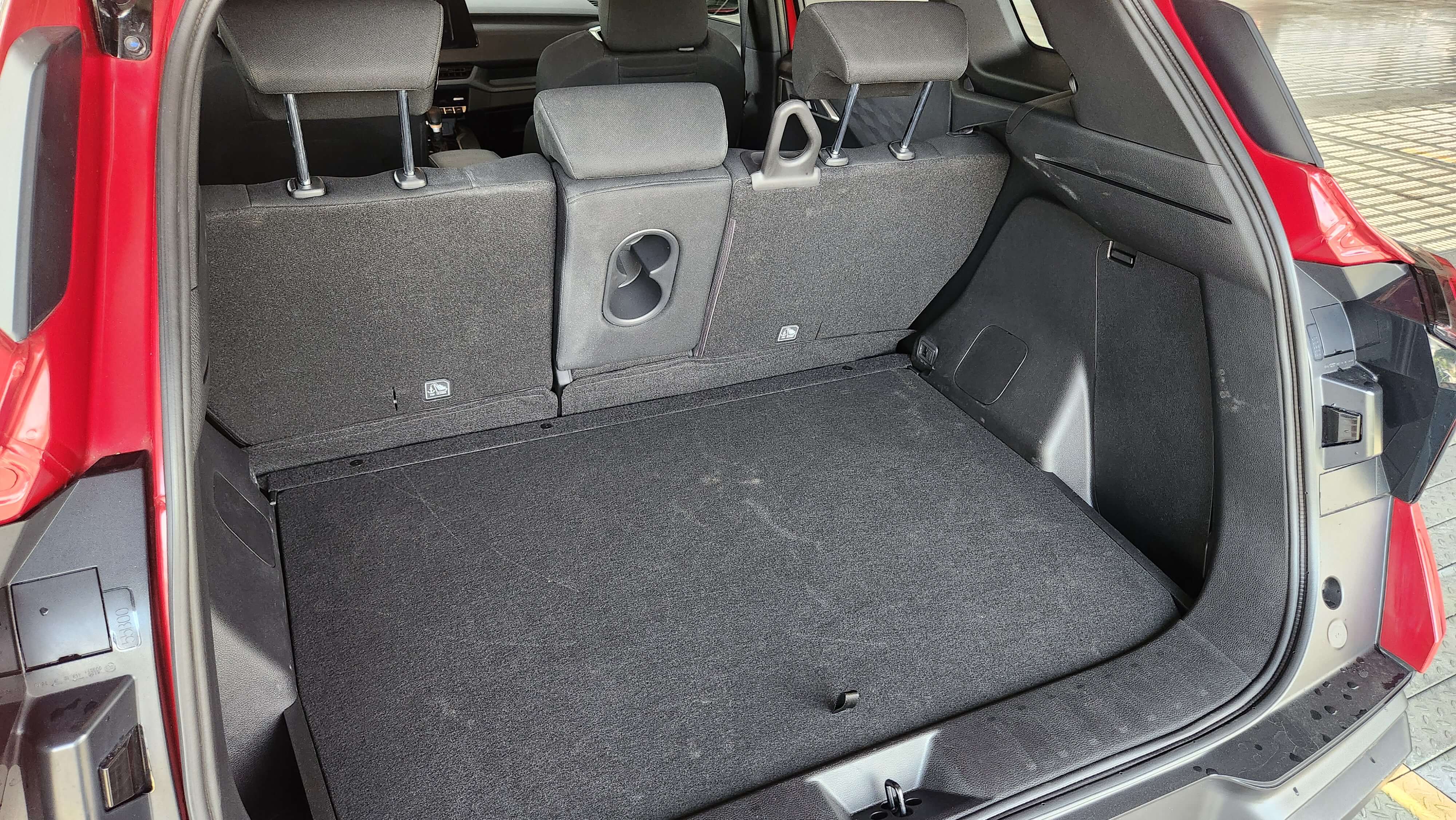
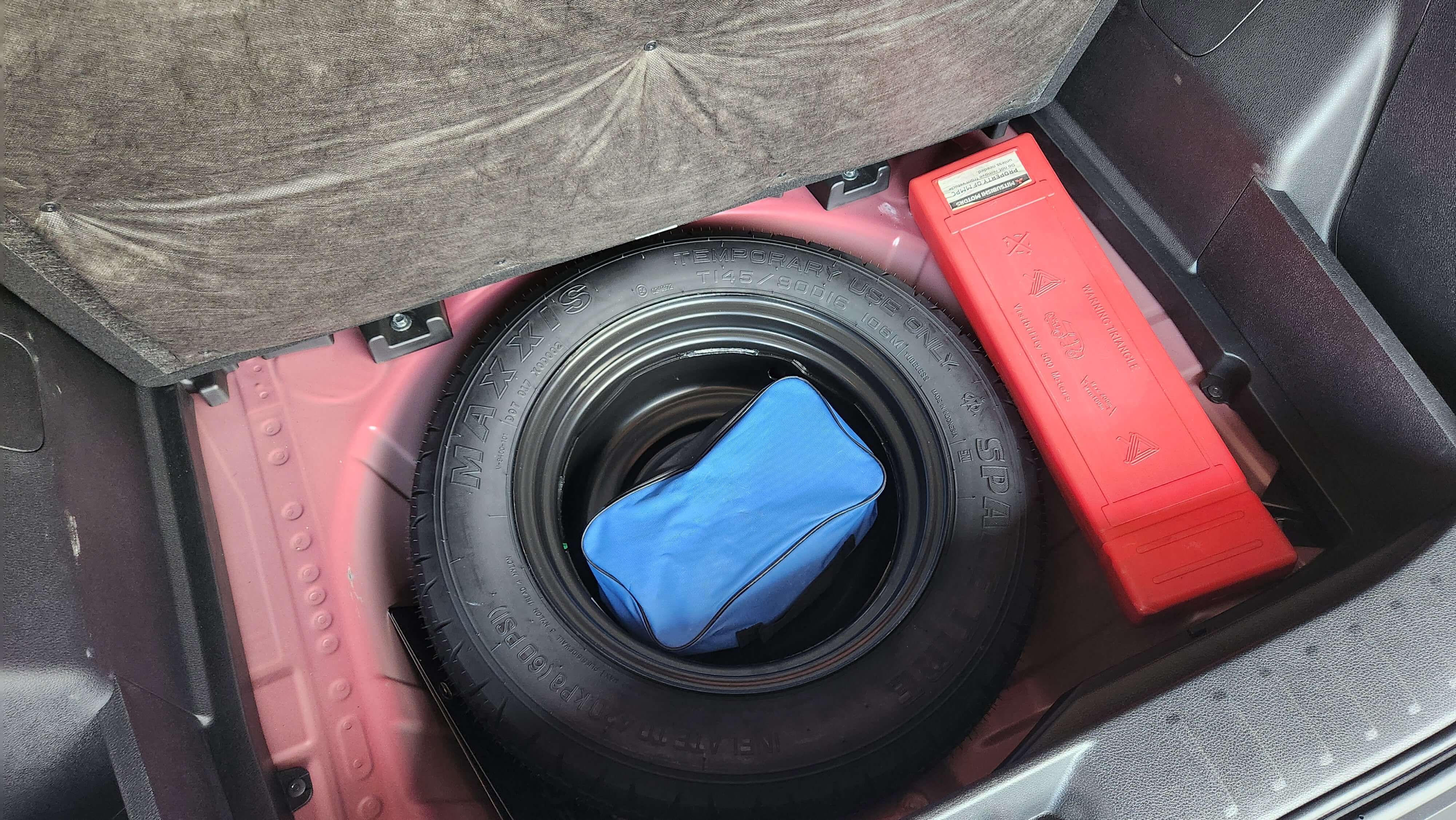
And if you ever experience any issues with your tires, a spare is always ready to go.
Sadly, it’s not all sunshine and rainbows. After all, the XForce GLX still has to be built to a budget.
Pay closer attention and you’ll find that they’ve cheapened out in certain areas. The lendout I received came to me with a broken A/C louver, which is a bit of a letdown for a nearly brand-new vehicle. (Unless the Hulk borrowed this before I did)
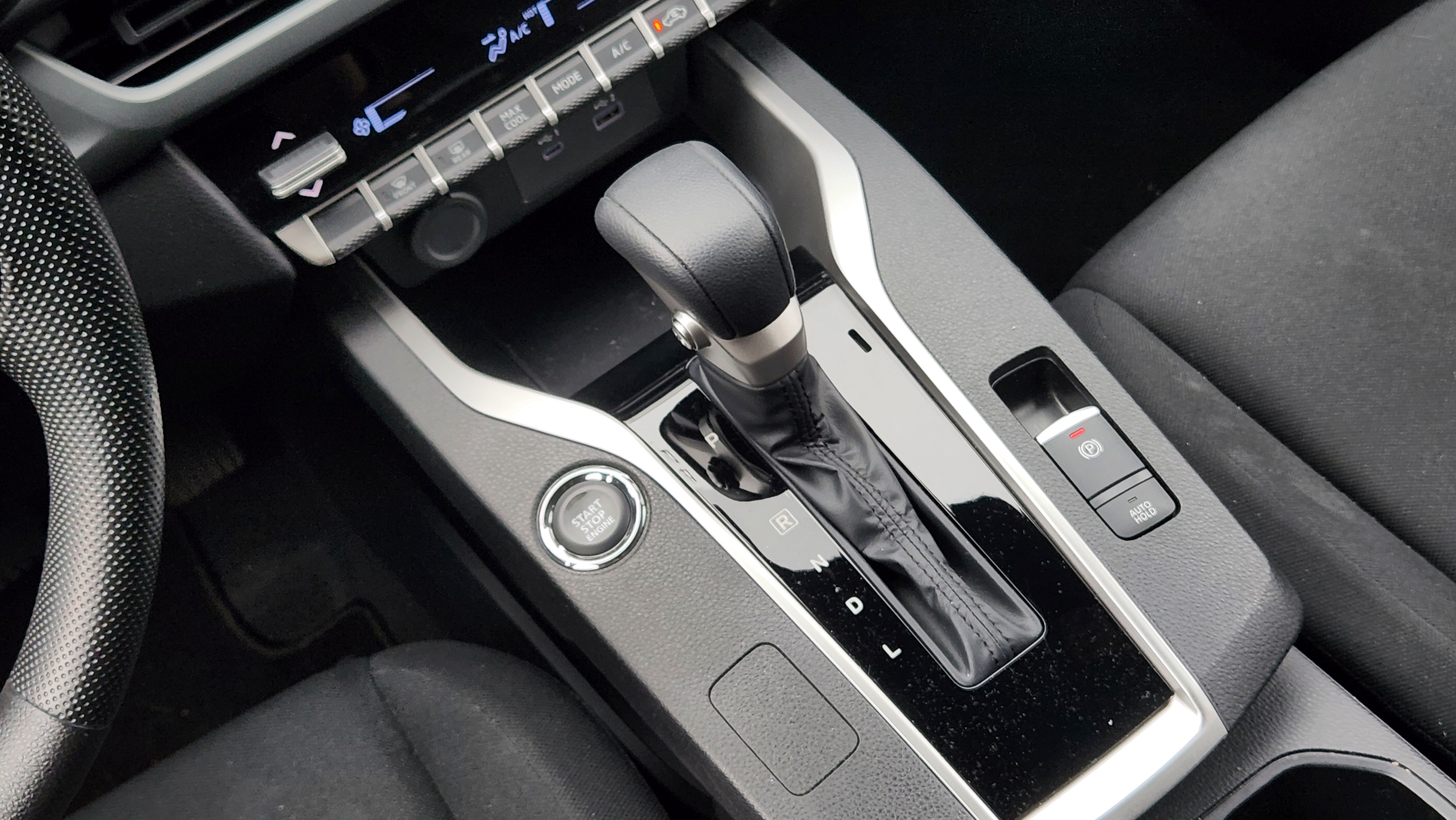
The design team has also defaulted to piano-black plastics on certain parts of the interior to give it some shimmer. It can get annoying since these surfaces tend to accumulate dust particles and fingerprints, forcing you to keep a rag in the vehicle at all times.
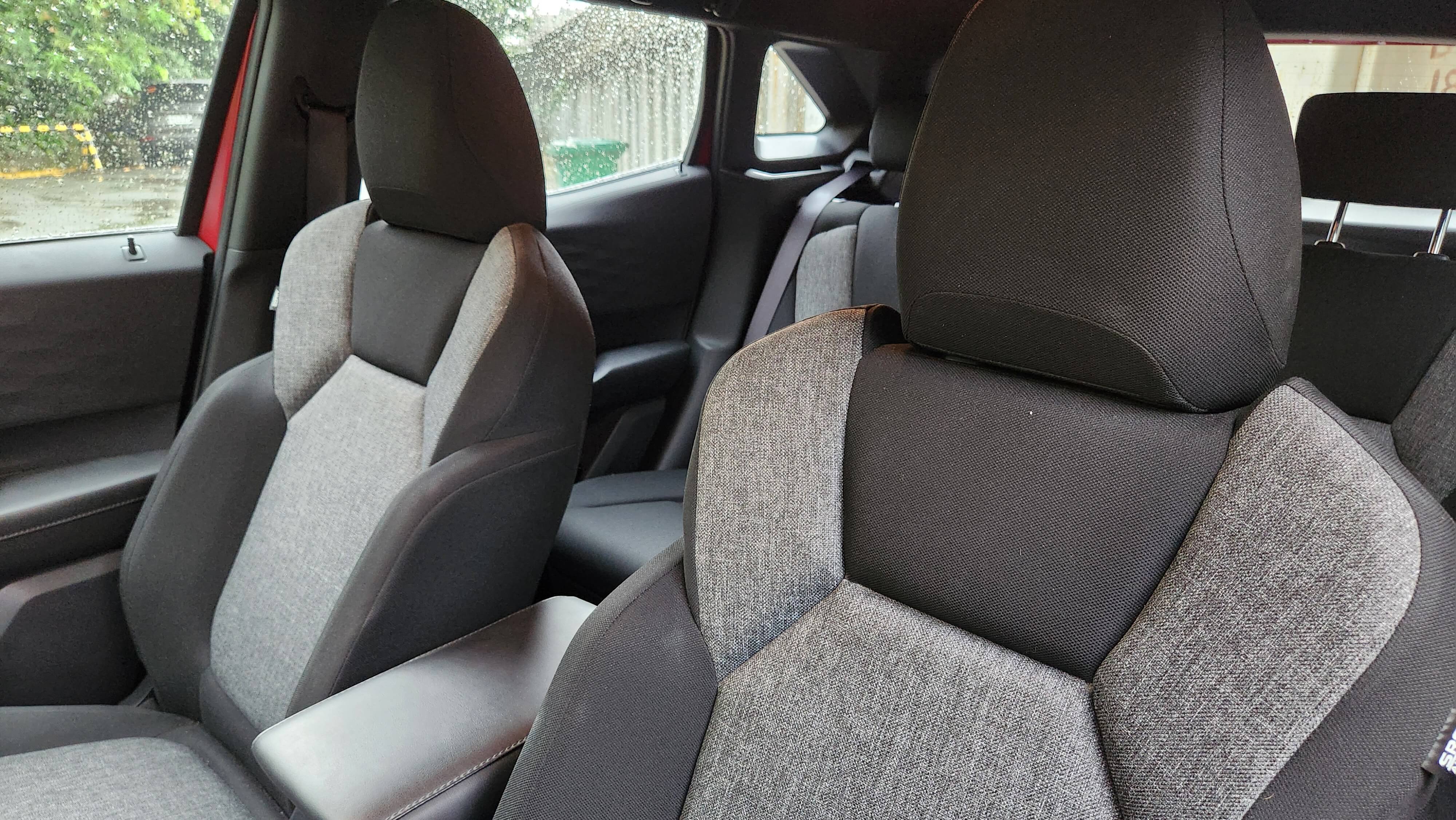
The fabric seats also require a bit of consistent upkeep and cleaning, despite being supportive in the right places.
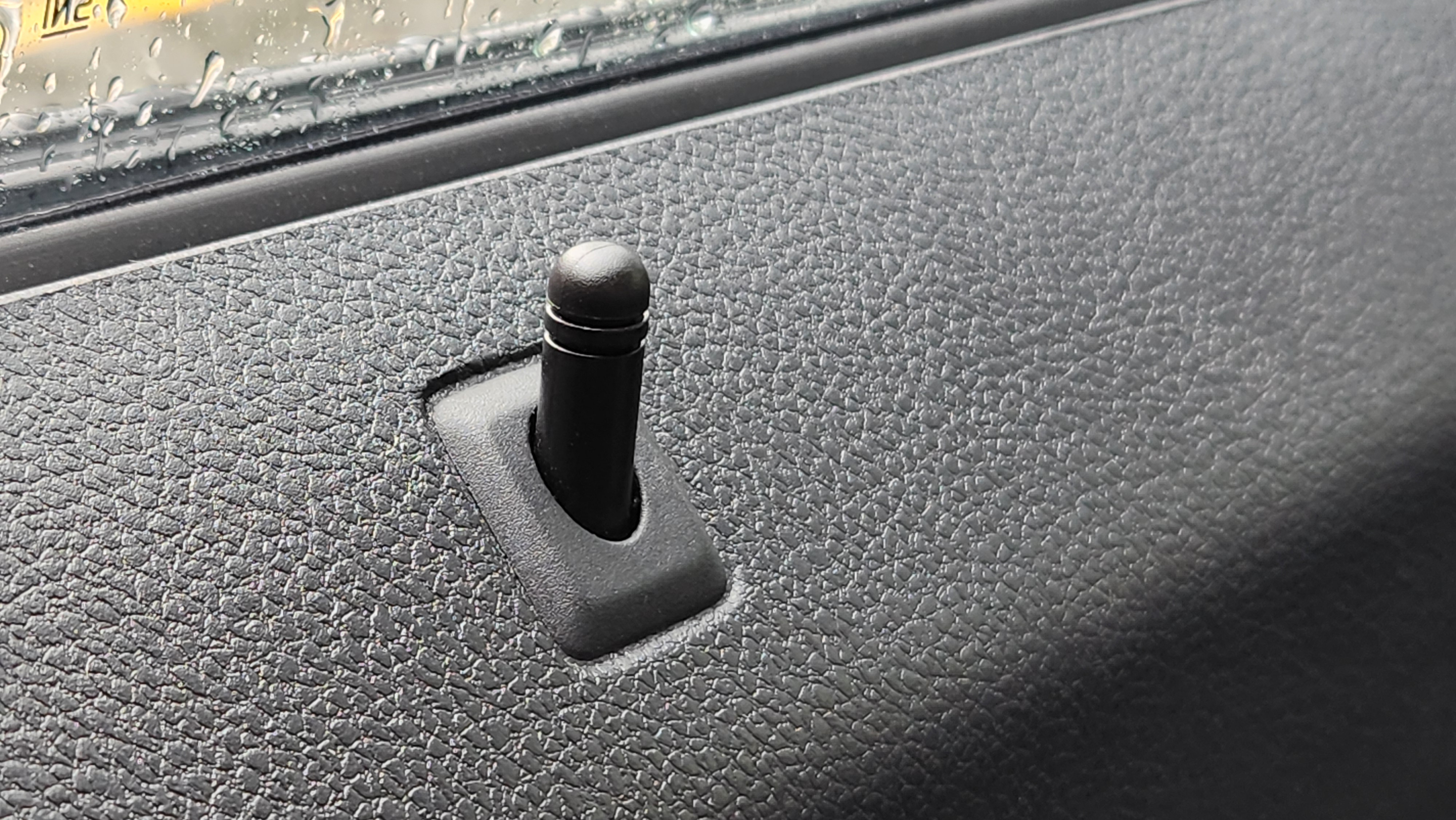
There are other bits and pieces that feel slightly budget-oriented or dated: namely the window switch section on the driver’s side that can easily be moved by your leg, or the 2000s-esque doorlock mechanisms and map lights.
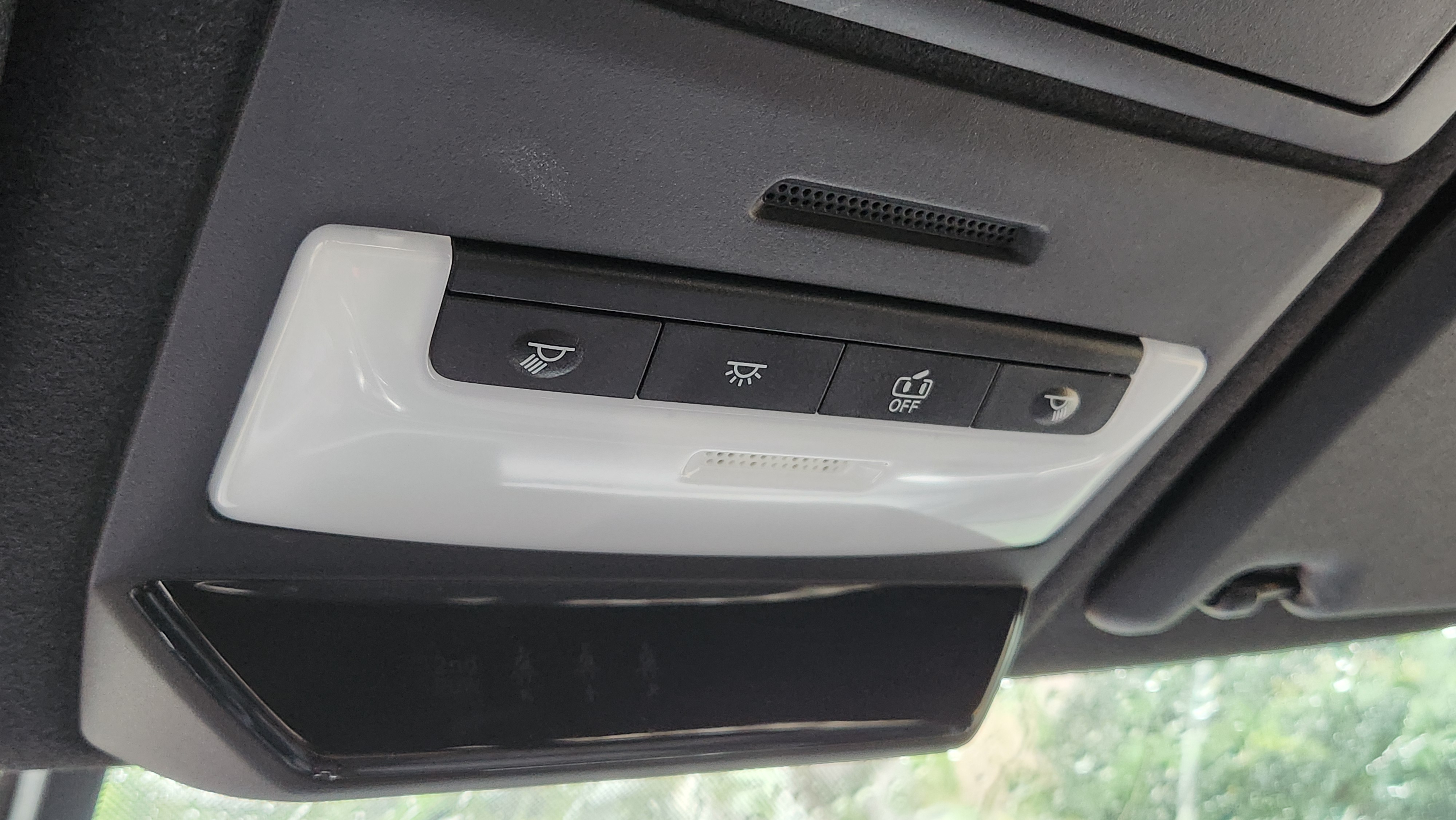
The rest of the cabin is nothing to write home about, but it’s highly functional all-in-all.
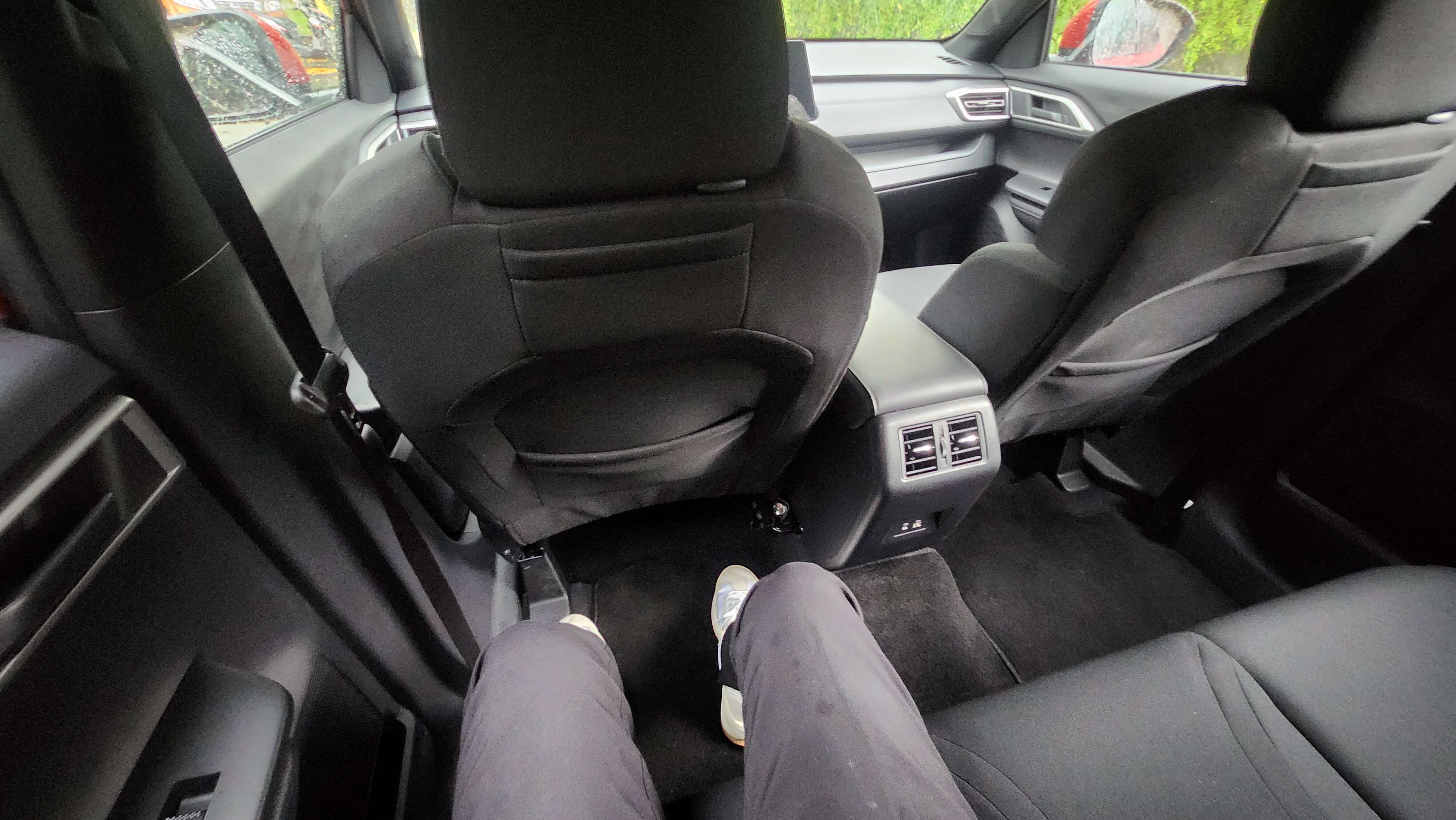
Non-budget related minor niggles?
These are more subjective: First, the placement of a cooler for your legs is well-intentioned, but questionably implemented. My friends and I joke about it being a crotch temperature manager, more than anything else.
The fold-down cupholder/armrest for the rear-passengers also opens up a portal to the cargo space, which some may find odd.
Others may also mourn the loss of a panoramic moonroof and ambient lighting, but this all boils down to preference.
Despite these weaknesses, the cabin of the XForce is stilll an overall wonderful place to be.
How is it like in motion?
Road Impressions and Tech
I will not deny that I also had some fears in this department. Sure, the driving position in the XForce as well as that meaty steering wheel inspire confidence, but I did not want to be disappointed by its powertrain. On paper, a naturally-aspirated 1.5-liter engine with 104 horsepower mated to a CVT transmission sounds like a dreary time.
But paper isn’t always absolute truth.
By some miracle, Mitsubishi has made the driving experience here somewhat exciting.
It feels peppy in city traffic. In stop-and-go situations, the XForce is always raring to go, which likely can be attributed to throttle response tuning. I borrowed the car fully aware of the deficiencies on paper but had no tangible complaints with my real-world experience. The higher-end XForce variants might have to go face-to-face with some turbocharged competitors, but on its own, it is by no means lacking.
After a few days, it didn’t feel right to conclude that the XForce doesn’t lack power from mere city driving. That’s why I took it out to Tagaytay and went around some uphill twisties during my trip. Even on steep grades the XForce doesn’t run out of breath. It took 4 adults in the car in stride, always maintaining low RPMs with minimal effort uphill.
Reaching highway speeds doesn’t feel like an eternity either. And when it’s time to overtake, the XForce is more than willing to comply with your request. On a long drive, the car is stable, unaffected by passing trucks/buses, and road noise is present but managed efficiently.
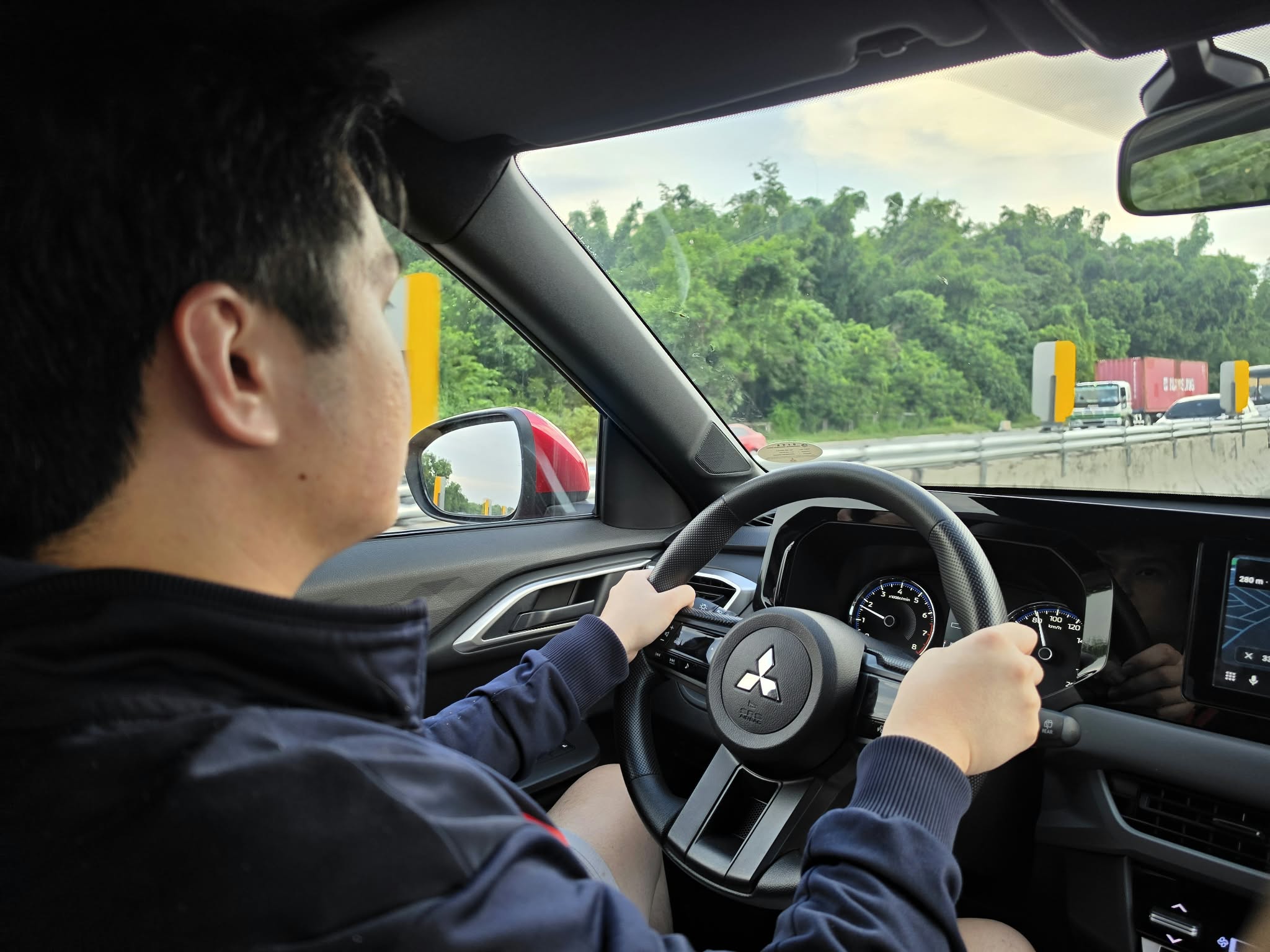
To put it simply: You can assuredly take this out-of-town without fearing a shortage of oomph for any terrain.
Since I was on the twisties anyways, my inner Takumi Fujiwara (Initial D) kicked in. The XForce has excellent driving dynamics for its class. It felt at home taking corners without slowing down to a halt, and it felt planted all throughout. It’s clear that Mitsubishi has opted for a slightly firmer ride in favor of driving dynamics, rather than outright comfort.
That’s also why when you go over potholes, the XForce won’t really float over them, but the car takes them without much rattles and drama. Slightly harsh, but undeniably solid.
Since this is the GLX, it doesn’t come with a lot of bells and whistles – just a simple back-up camera (sometimes, that’s all you need), rear sensors, 4 SRS airbags (less than upper trims), Active Yaw Control (AYC), Active Stability Control (ASC), Hill Start Assist (HSA), and ABS.
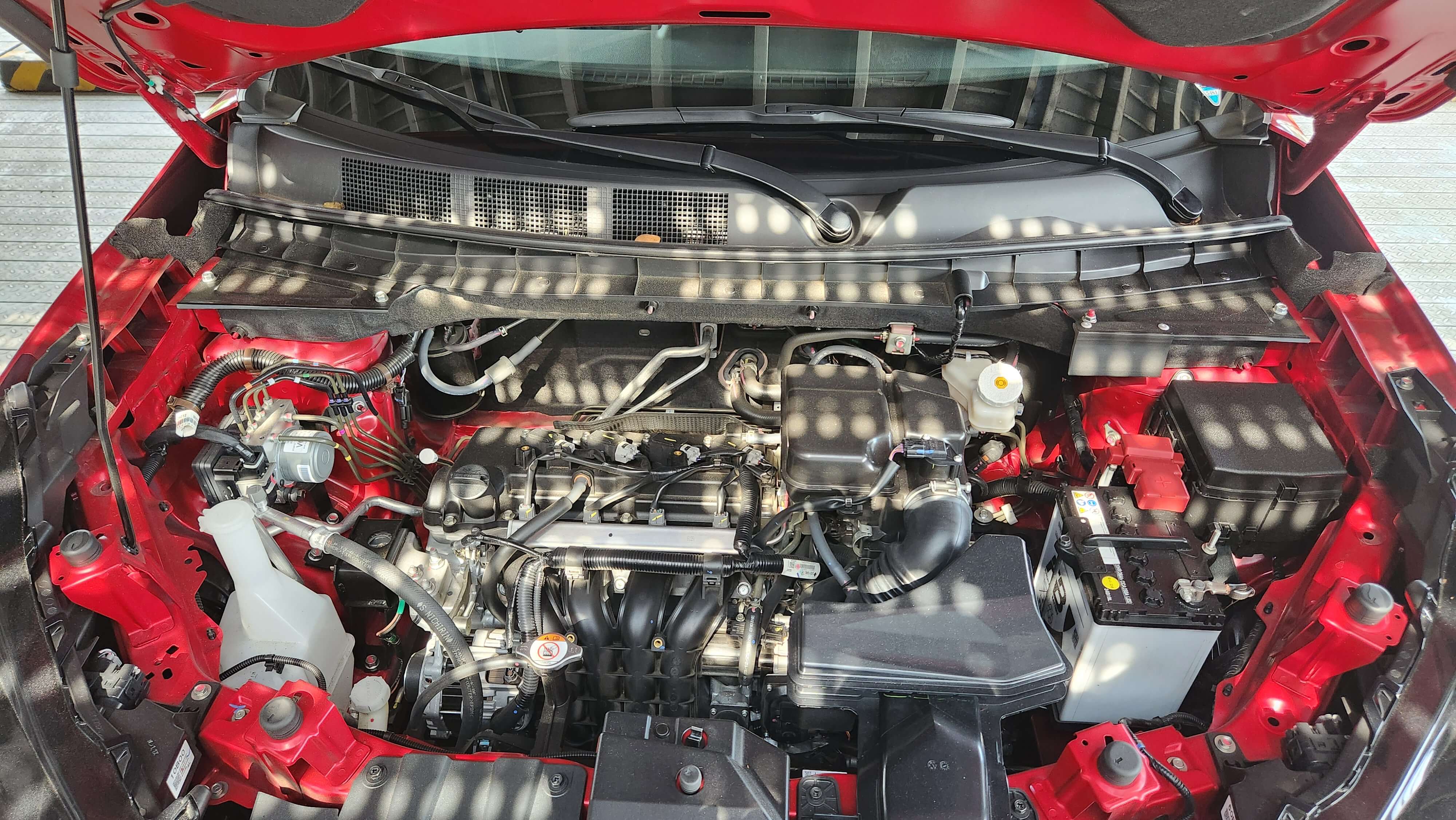
A fun fact: the engine in the XForce is the 4A91, also the same found in the Mitsubishi Xpander. A plus of this crossover sharing powertrains with the Philippines’ best-selling vehicle in 2025: you can rest assured that parts and support will be bountiful.
Conclusion
Overall, I was impressed by the Mitsubishi XForce GLX. I managed my expectations due to initial concerns, but the vehicle shattered every single one of them.
Sure, it may not be the most sophisticated, high-tech, or powerful compared to its contemporaries, but I see this as a no-frills daily driver with enough features for most people. And with a reliable, tested naturally-aspirated engine under the hood, we can at least expect this to be a modern-day workhorse (in its segment) for everyday usage.
The Mitsubishi XForce GLX is superb value-for-money at its SRP of PHP 1.119M. So much so that I’m actually considering getting one for myself.
Small caveat; I have yet to test the other variants to see if the jump in price is worth it.


0 Comments
Leave a Reply