
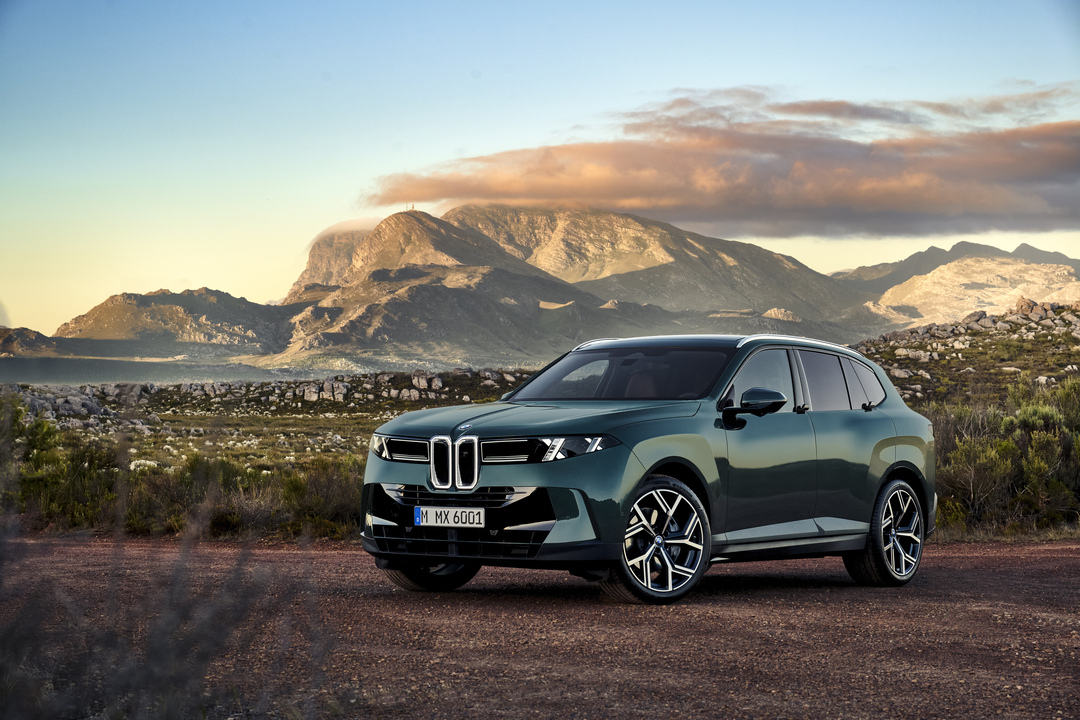
BMW has introduced the fifth generation of its X5, marking the first time the brand has offered a single model with five different drive system types.
Related: The all-new BMW i3 now sports the Neue Klasse platform and design
The new lineup includes petrol and diesel variants with 48V mild hybrid technology, plug-in hybrid models, the brand’s first all-electric X5 (the BMW iX5), and the BMW iX5 Hydrogen, which will launch at a later date as BMW’s first hydrogen-powered production vehicle.
The iX5 Hydrogen uses a fuel cell system paired with BMW’s new Hydrogen Flat Storage technology for in-car hydrogen storage and a high-voltage battery. BMW says the third-generation fuel cell system allows for a more compact design while delivering a range of up to 750 km.
The all-electric iX5 will launch with BMW’s sixth-generation eDrive technology, offering up to 845 km of range in the iX5 60 xDrive variant. The model also supports 800V fast charging and bidirectional charging. BMW is using new cylindrical battery cells measuring 120 mm in height for the first time in the iX5.
Dr. Joachim Post, BMW AG Board Member responsible for Development, said the X5 had become a global bestseller due to its combination of comfort and driving pleasure. He said the latest generation incorporates technologies from BMW’s Neue Klasse platform along with the widest range of drive systems the model has offered, adding that he expects the new X5 to set the benchmark in its segment.
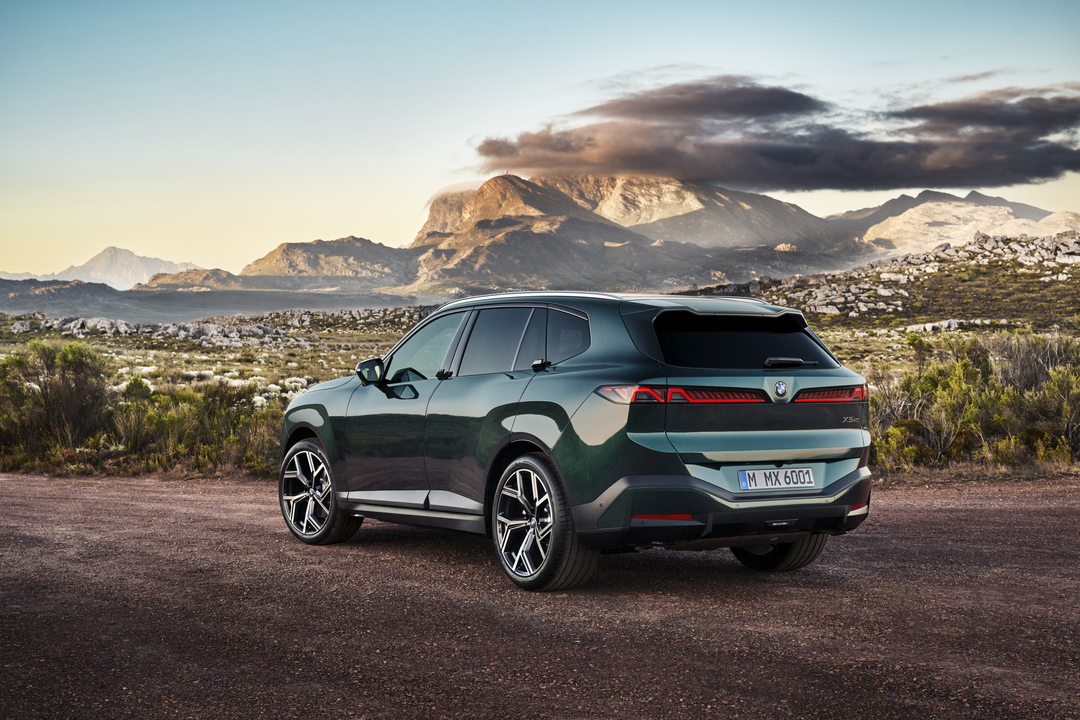
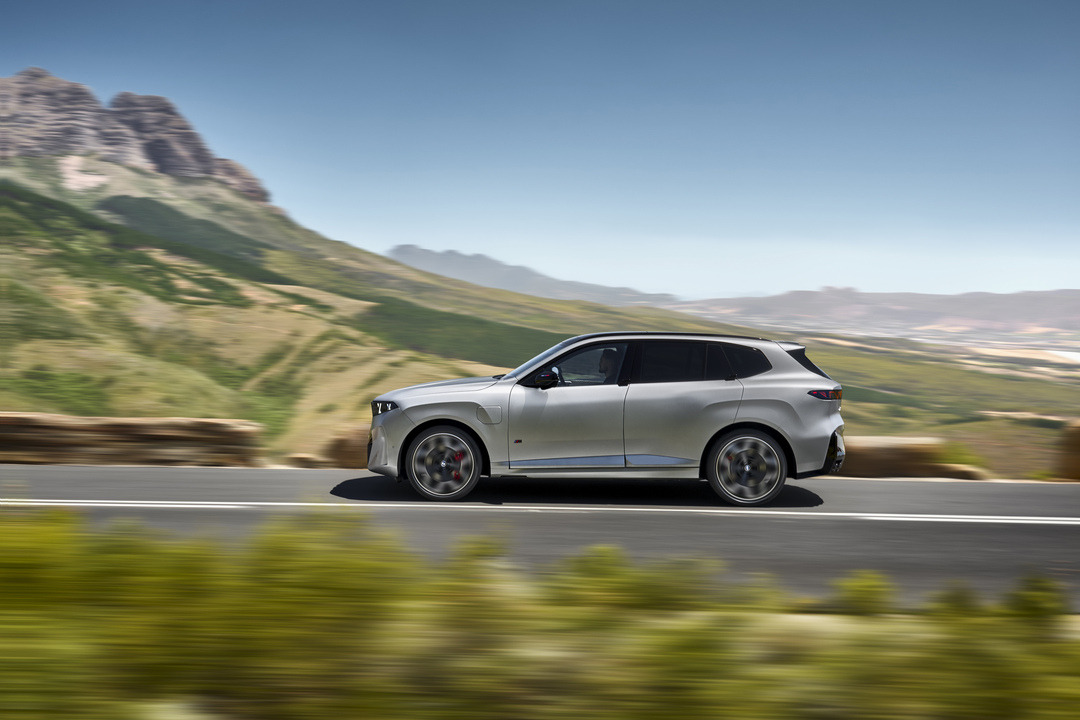
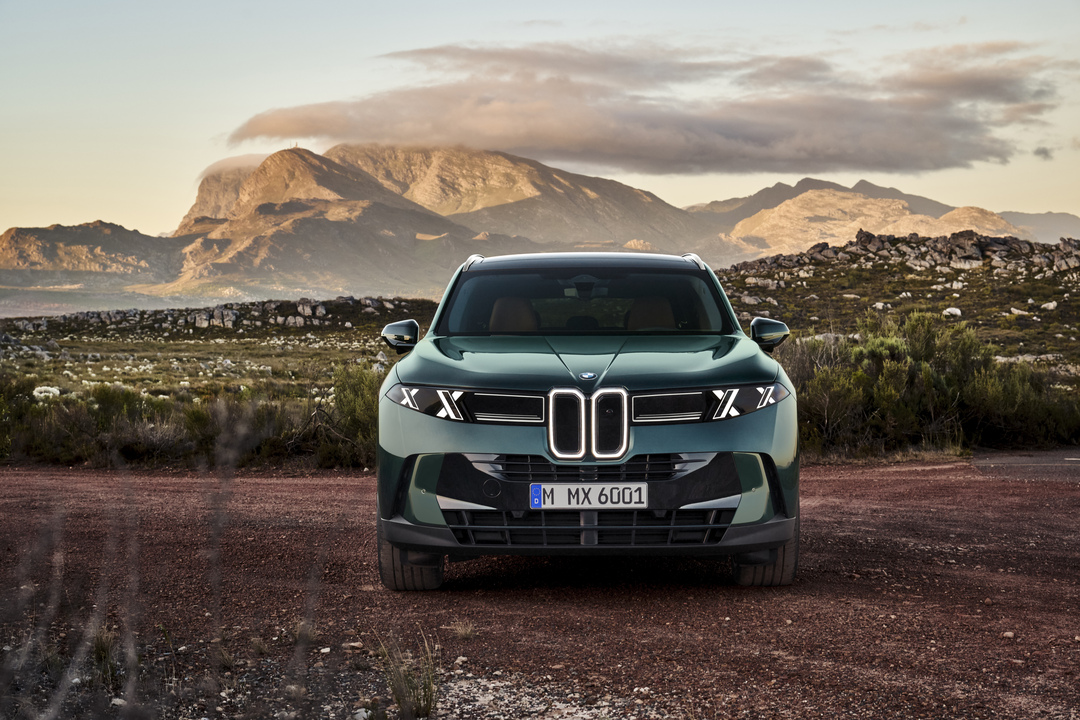
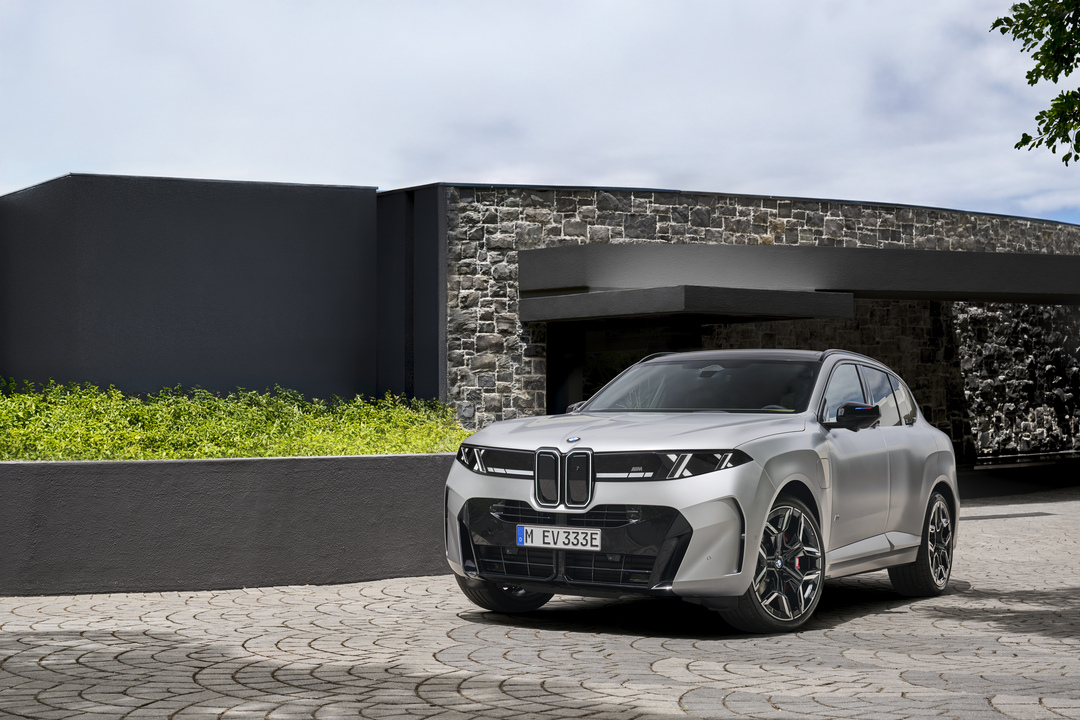
The new X5 features an upright front-end design, a vertically aligned BMW kidney grille with Iconic Glow, and new “double-X” light elements appearing on a BMW model for the first time. The side profile includes BMW Winglets — recessed door handles that open the electrically powered doors with a light touch.
Buyers can choose from eleven exterior paint colors and wheel options up to 23 inches. The X5 M60e xDrive serves as the performance flagship of the range, while M Sport and M Sport Pro packages are also available.
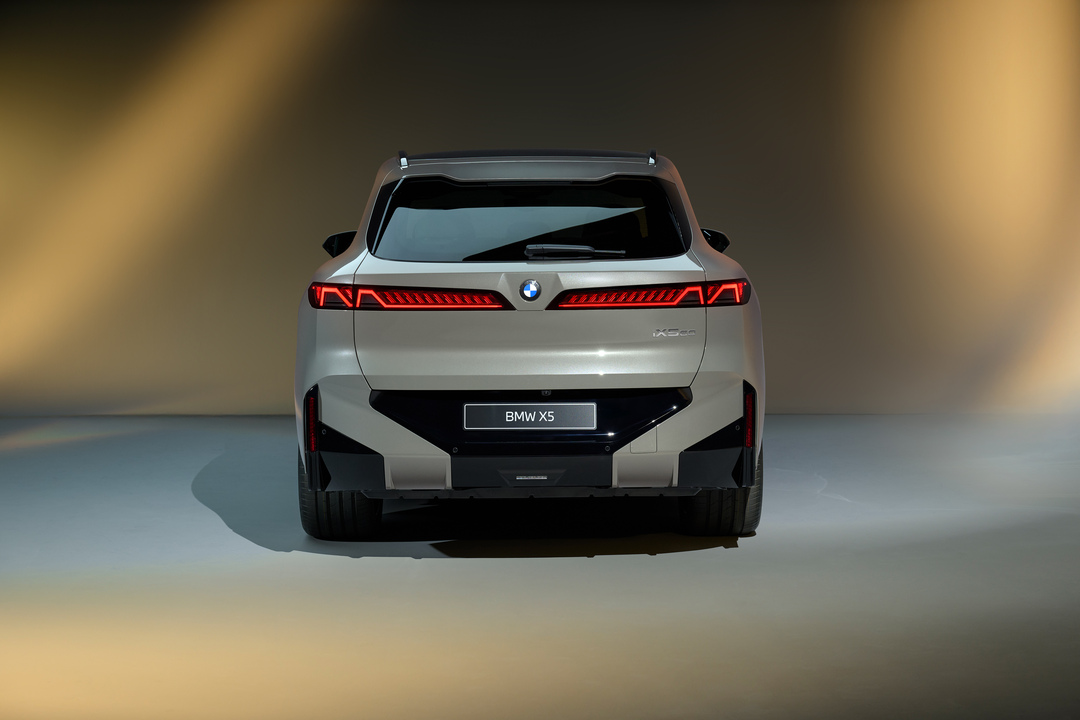
BMW is also offering M Performance Parts for the X5, including a carbon fiber front splitter, a high-gloss black roof spoiler, an aramid rear diffuser, and aramid exterior mirror caps. M Performance summer and winter wheel sets are available in 21- and 23-inch sizes, along with M Performance floor mats for the interior.
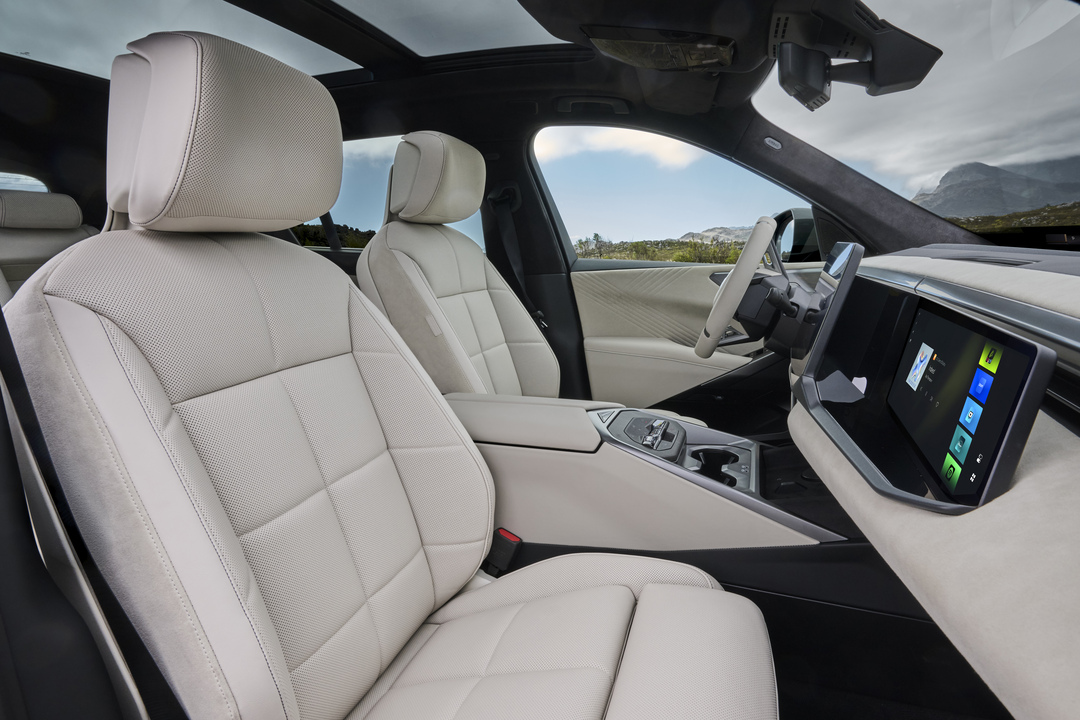
The redesigned interior includes decorative surface options made from materials such as slate and glass; BMW says it is the first automaker to offer slate as an interior trim option.
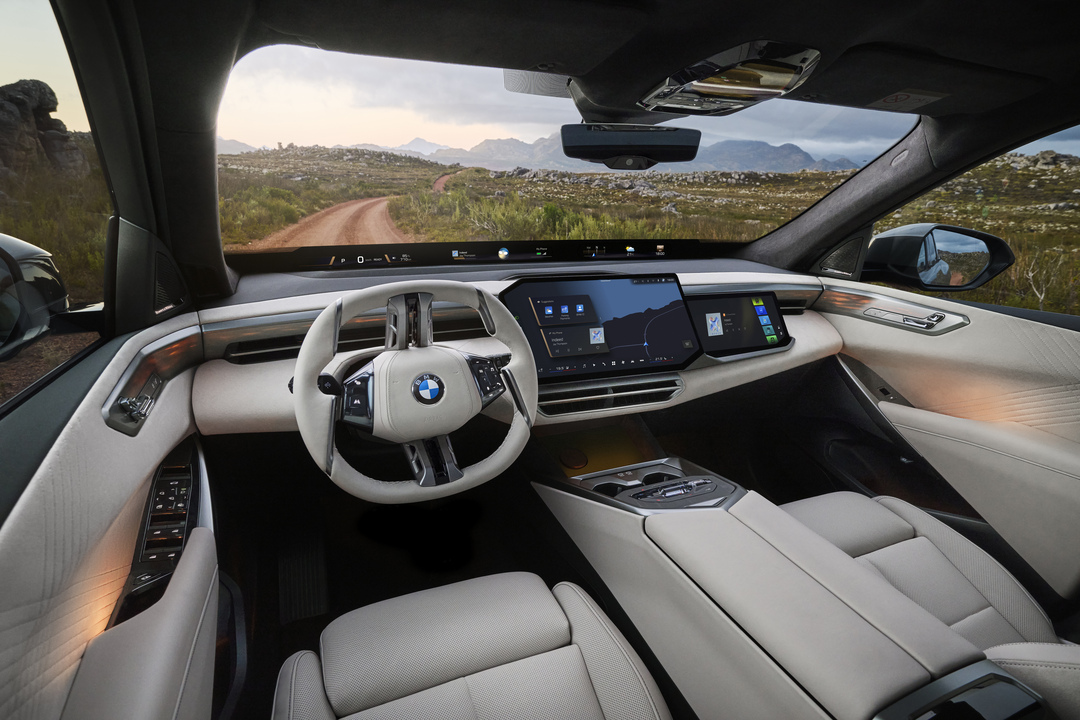
The X5 incorporates BMW’s Panoramic iDrive display and operating system, built on BMW Operating System X. Features include a free-cut Central Display, a 3D Head-Up Display, an optional Passenger Screen (a first for the X5), BMW Panoramic Vision with a projection surface spanning the width of the windscreen, and a new multifunction steering wheel. An ambient light strip runs door to door across the cabin.
The X5 comes standard with adaptive suspension and an axle load distribution close to 50:50. Optional Adaptive Chassis Control and Adaptive Chassis Control Professional with roll stabilization are available; the latter is initially limited to all-electric and plug-in hybrid models.
The vehicle also includes BMW Symbiotic Drive, which adapts to individual driving behavior, as well as Level 2 driver assistance systems. In the iX5 and the upcoming iX5 Hydrogen, a feature called the Heart of Joy enables BMW Soft-Stop, designed to provide a smoother stopping action.
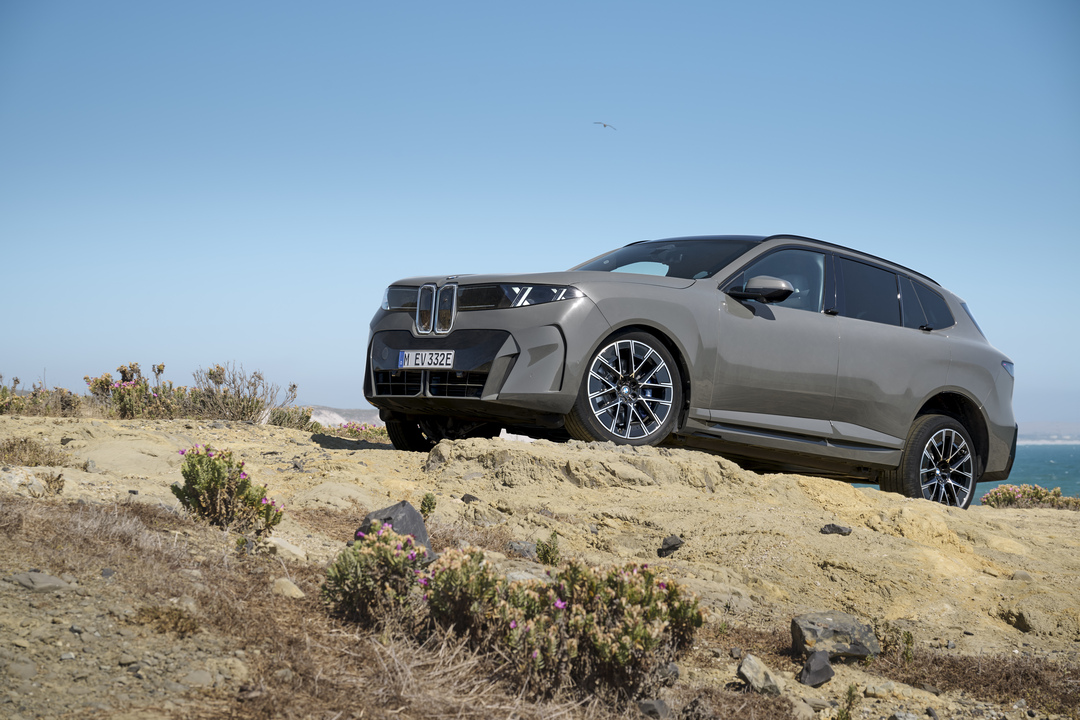
The first X5 variants will launch in late November 2026, with all-electric and plug-in hybrid versions following in early 2027. Production will begin ahead of launch, with BMW Group Plant Spartanburg in South Carolina starting series production of the fifth-generation X5 in August 2026.
Plant Spartanburg has produced the X5 since the model’s 1999 debut. The iX5 will be the first all-electric vehicle built at the facility, supported by a new adjacent battery factory for the sixth-generation high-voltage batteries. BMW says the battery plant will not require fossil fuels for normal operations, part of the company’s broader effort to reduce CO2e emissions during production.



birthday ko libre lang ang kose