
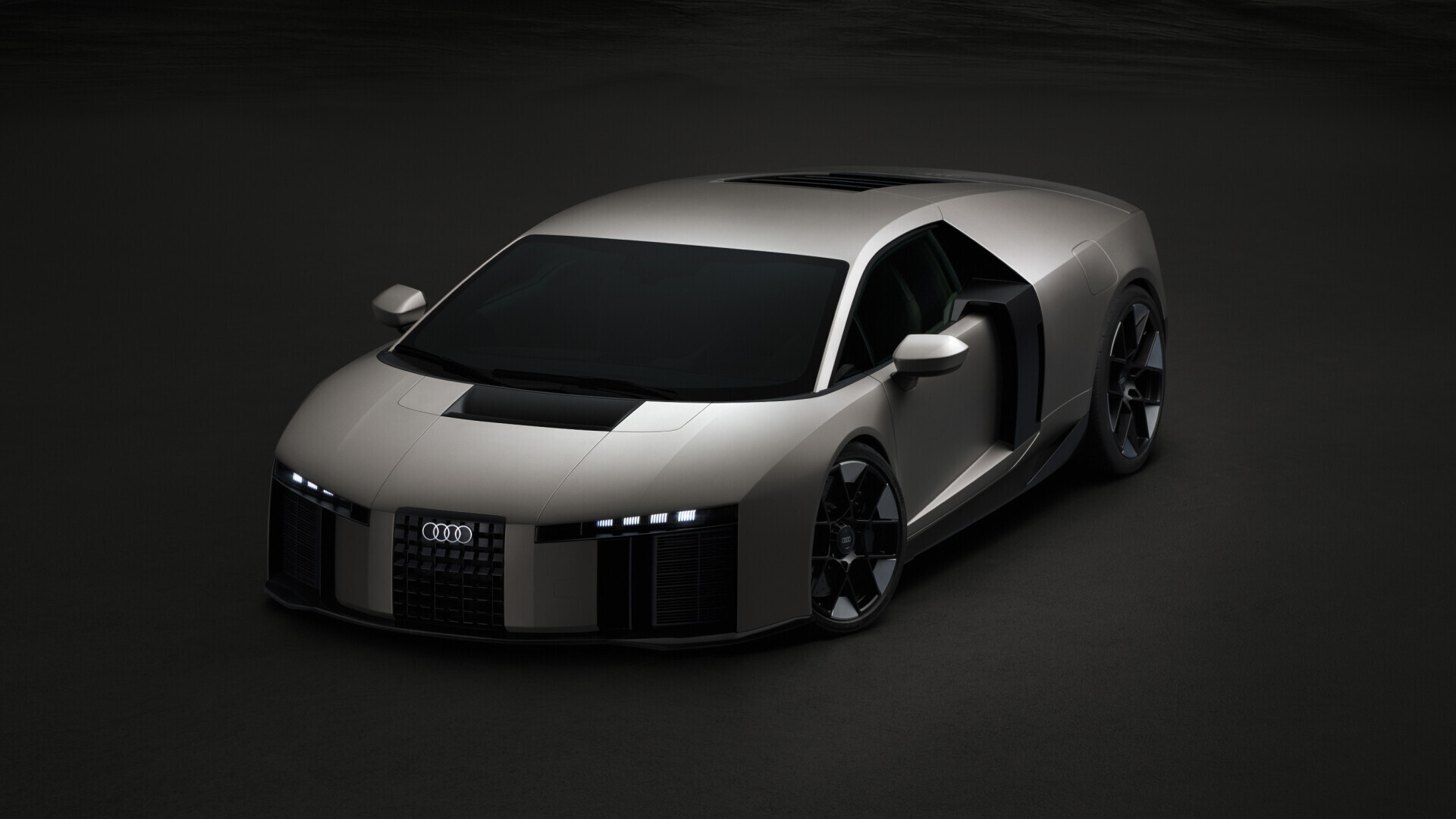
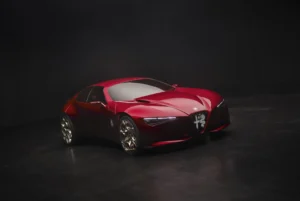
Audi has revealed the Nuvolari, its first supercar with a high-performance hybrid drivetrain. The company says it will be the most powerful and fastest production vehicle in its history, with deliveries scheduled to begin in the first half of 2027.
Performance and powertrain
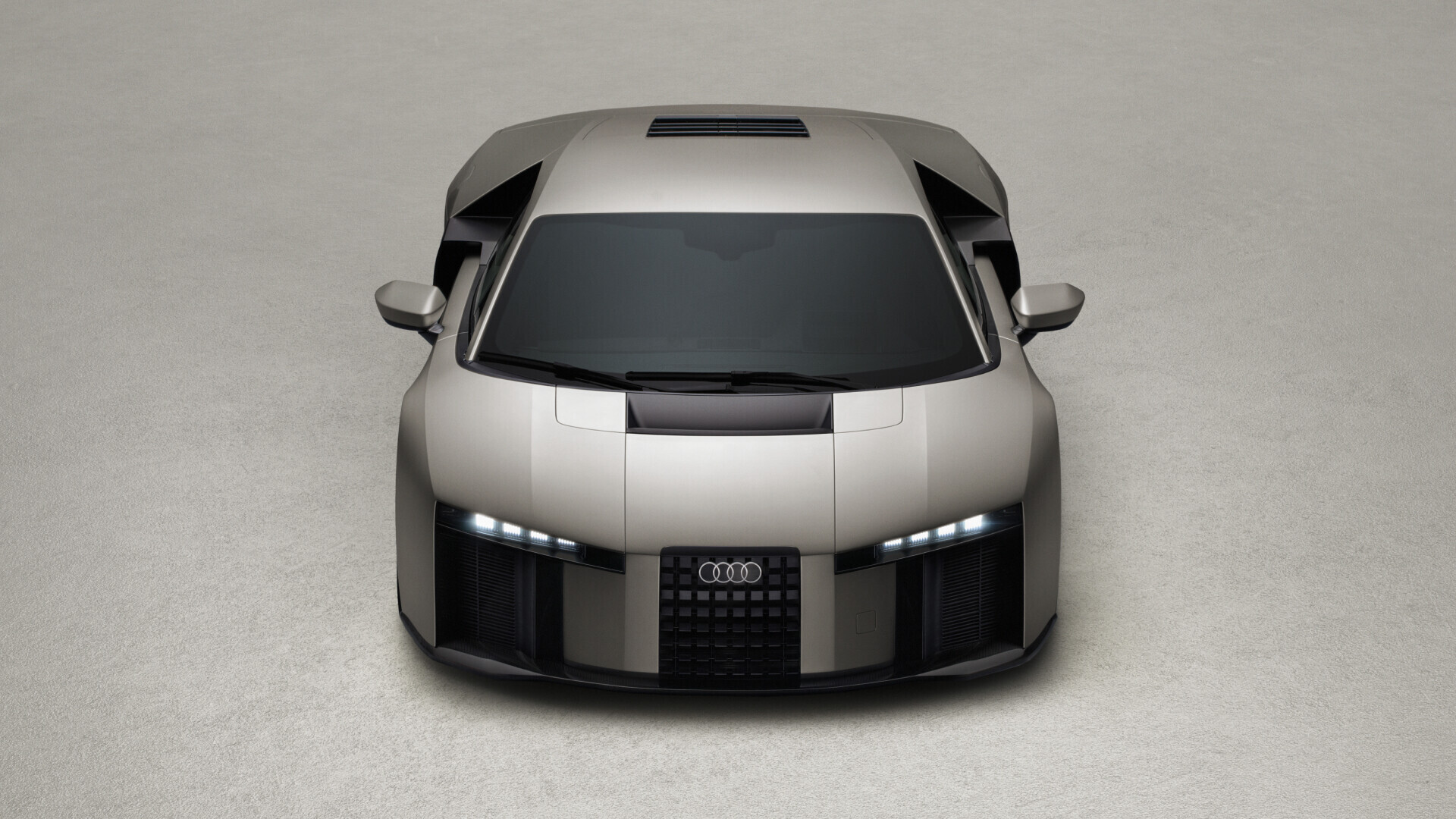
The Nuvolari produces 736 kW (1,001 PS/ 987 hp) from a hybrid system that pairs a 4.0-liter V8 biturbo engine with three axial-flux electric motors. The V8 delivers 588 kW (800 hp) and 730 Nm of torque, revving to 10,000 rpm. Two of the electric motors sit at the front axle, each oil-cooled, producing a combined 2,150 Nm of torque. A third motor is positioned between the engine and transmission.
A 7.3-kWh lithium-ion battery powers the system. The car accelerates from 0–100 km/h in 2.6 seconds, 0–200 km/h in 6.8 seconds, and reaches a top speed above 350 km/h.
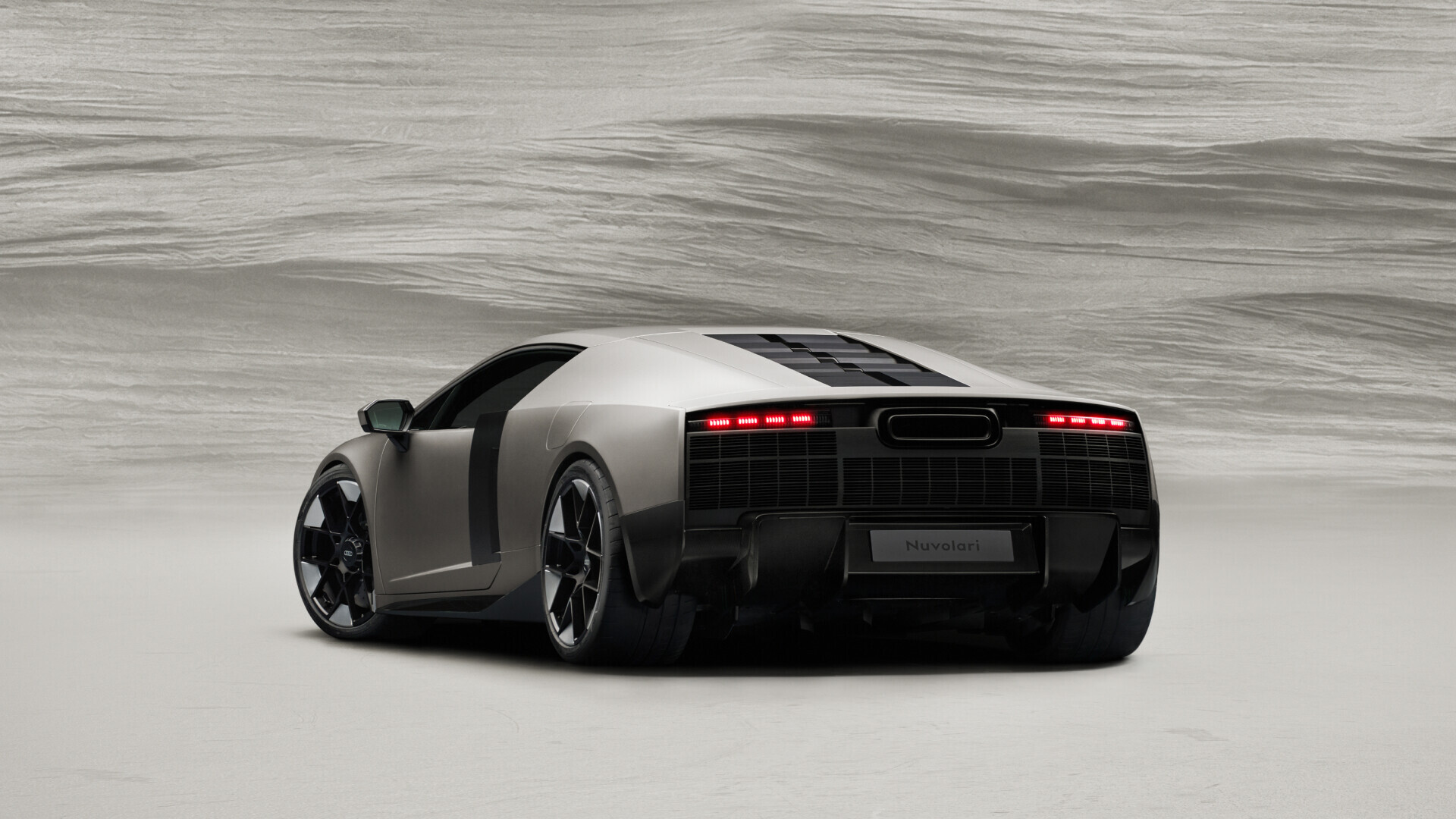
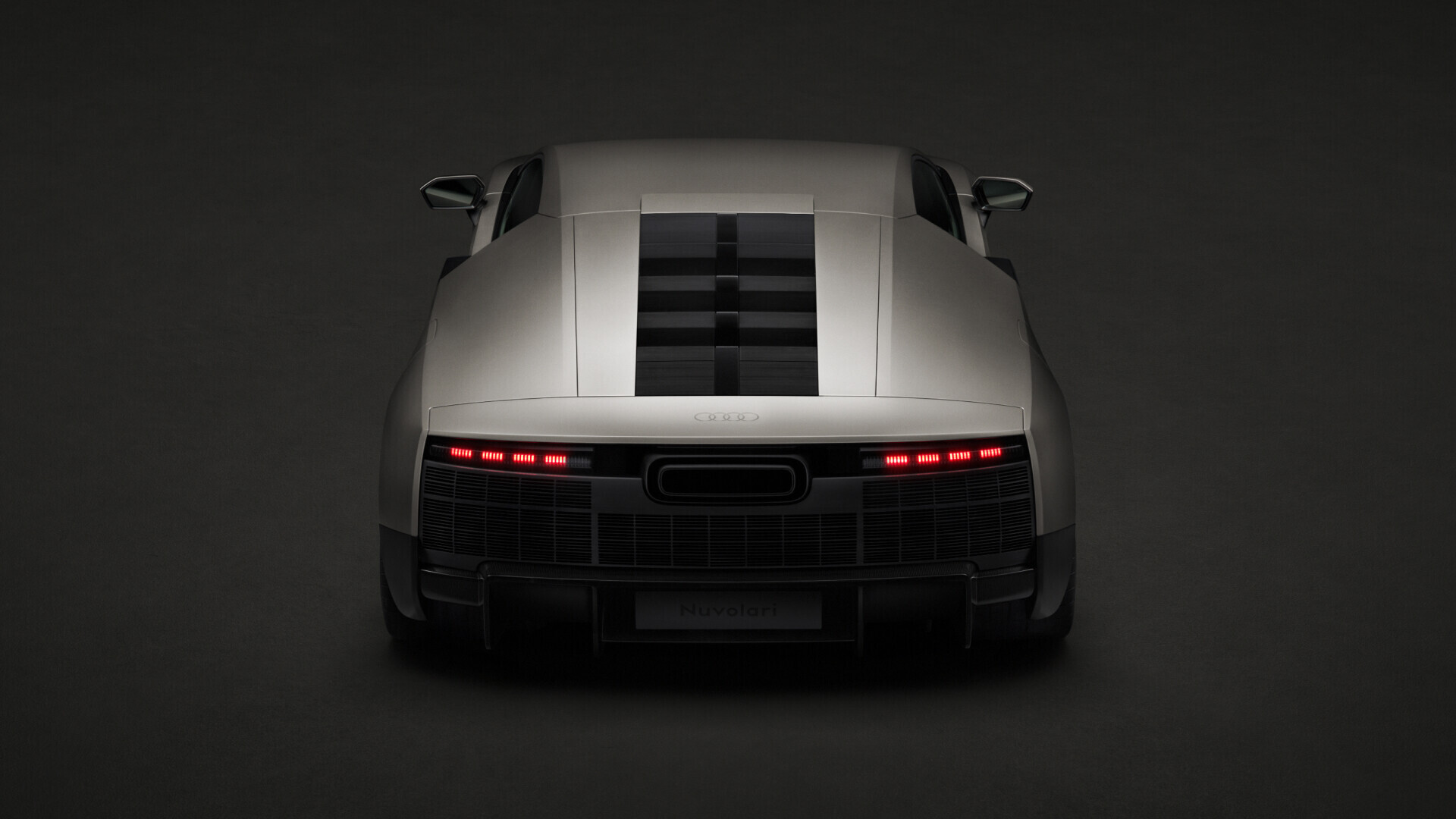
Audi uses its Space Frame architecture combined with a carbon fiber reinforced polymer (CFRP) exterior — a first for the brand. Nearly all exterior body panels are carbon. The parts are produced using prepreg autoclave technology, a process borrowed from Formula 1 in which pre-impregnated carbon fibers are cured under heat and pressure. Forged center-lock wheels are also new to Audi’s production lineup.
The car uses a system Audi calls quattro predictive ride, which continuously reads steering angle, acceleration, yaw rate, and grip levels to distribute torque before traction loss occurs. The front electric motors handle torque vectoring, and the aerodynamics adjust in real time as part of the same system.
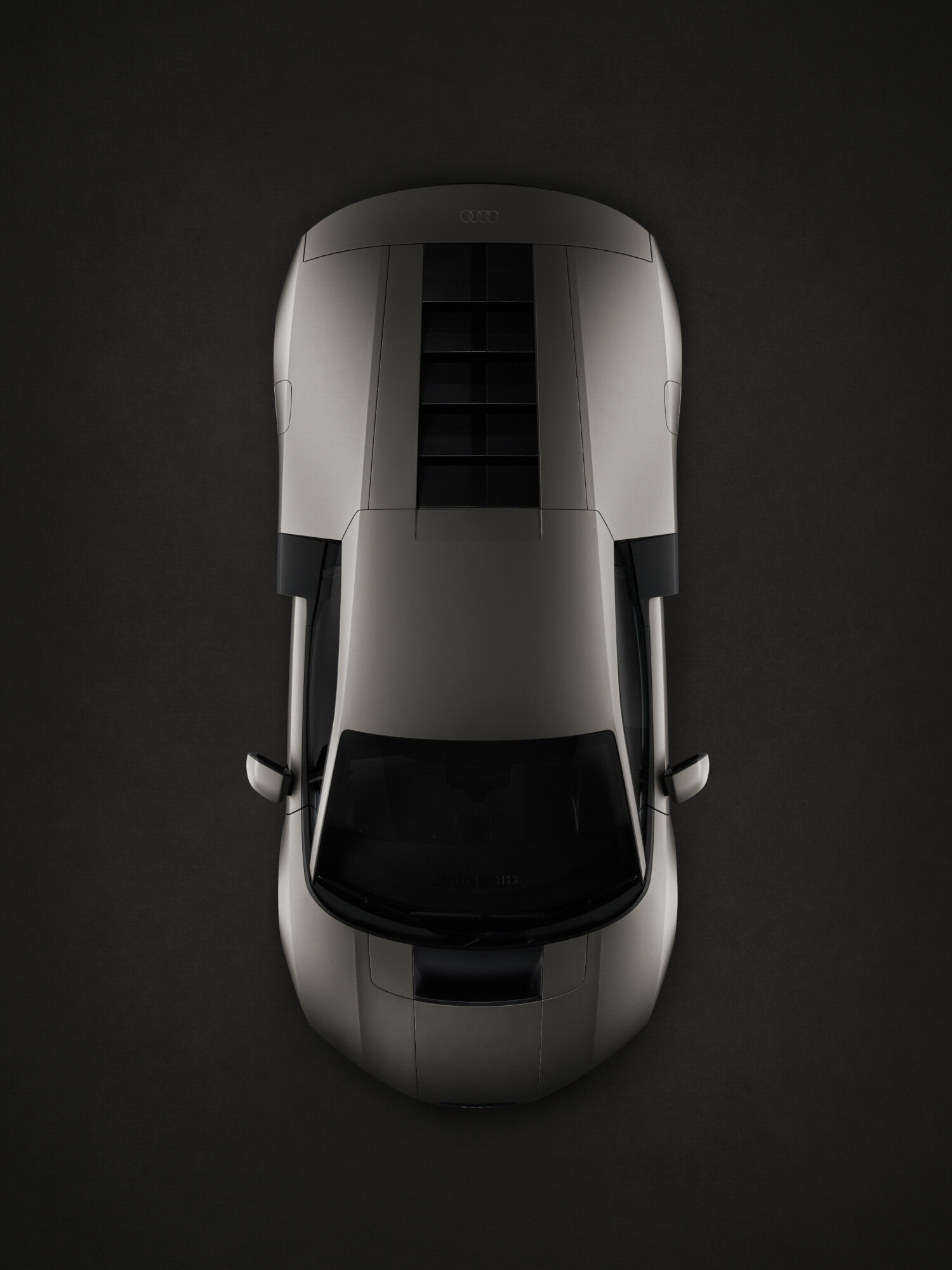
Four driving modes are available: E-Hybrid (electric-only), Balanced, Dynamic, and Dynamic+. A Track Mode adds further adjustments to traction control, ranging from Wet to Dry to TC Off.
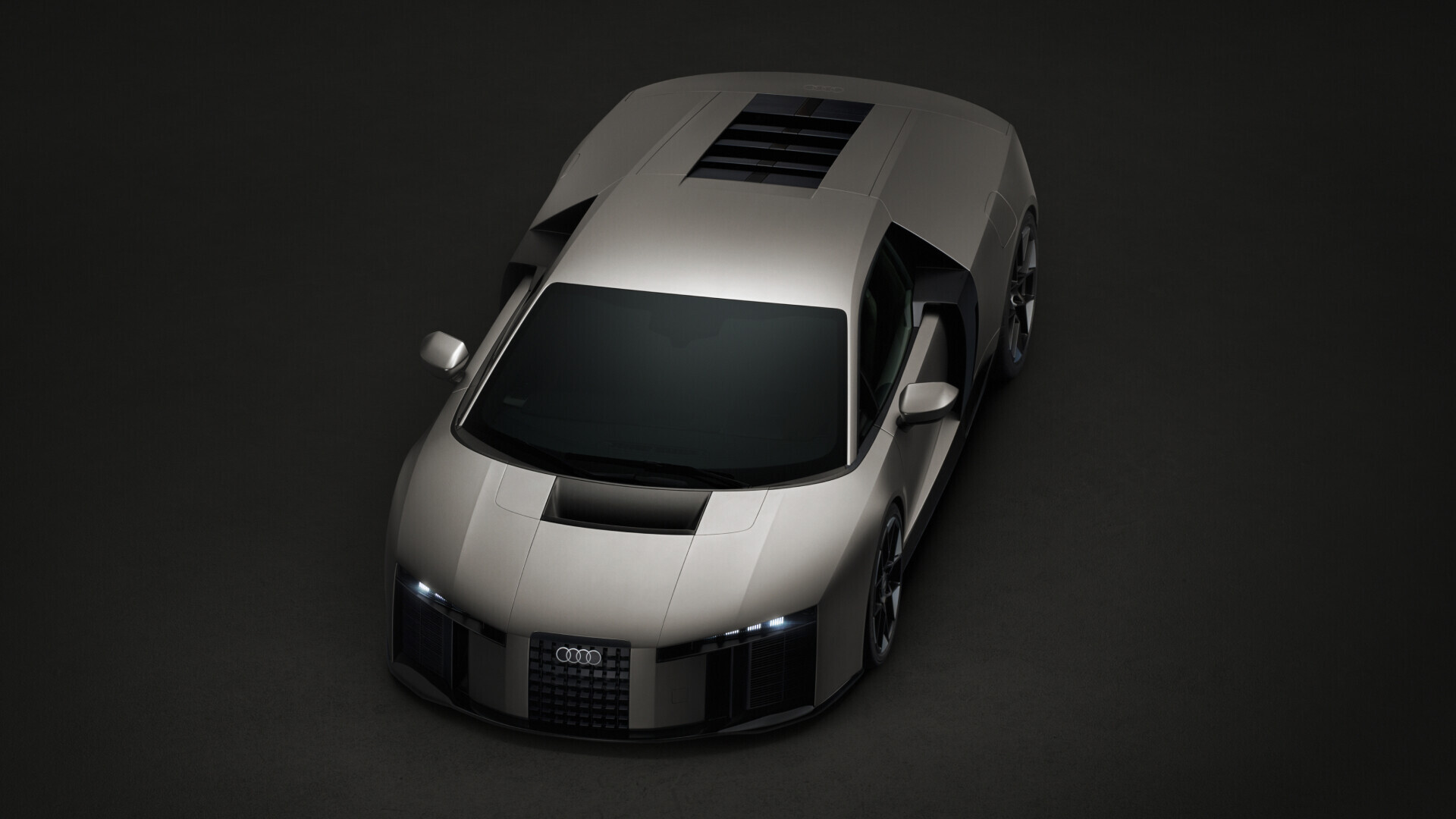
Active aerodynamics are central to the car’s design. The rear wing operates in three positions — closed, low downforce, and high downforce — and is automatically controlled by driving mode. In high-downforce configuration, the system generates over 400 kg of downforce. A Drag Reduction System (DRS) button on the steering wheel can flatten the wing further on straights, as in Formula 1. The front end features an S-duct, a vented structure that increases downforce and improves powertrain cooling.
The brake system uses ceramic discs derived from Formula 1 long-fiber carbon technology. Front calipers are ten-piston units clamping 420 × 40 mm discs; the rear calipers use four pistons with 410 × 32 mm discs. A brake-by-wire setup decouples the pedal from the hydraulic system, allowing variable blending between regenerative and friction braking. The system can absorb up to 2.8 megawatts of energy — comparable, Audi says, to a current Formula 1 car. Pure electric deceleration of up to 0.3 g is possible, covering most everyday braking situations.
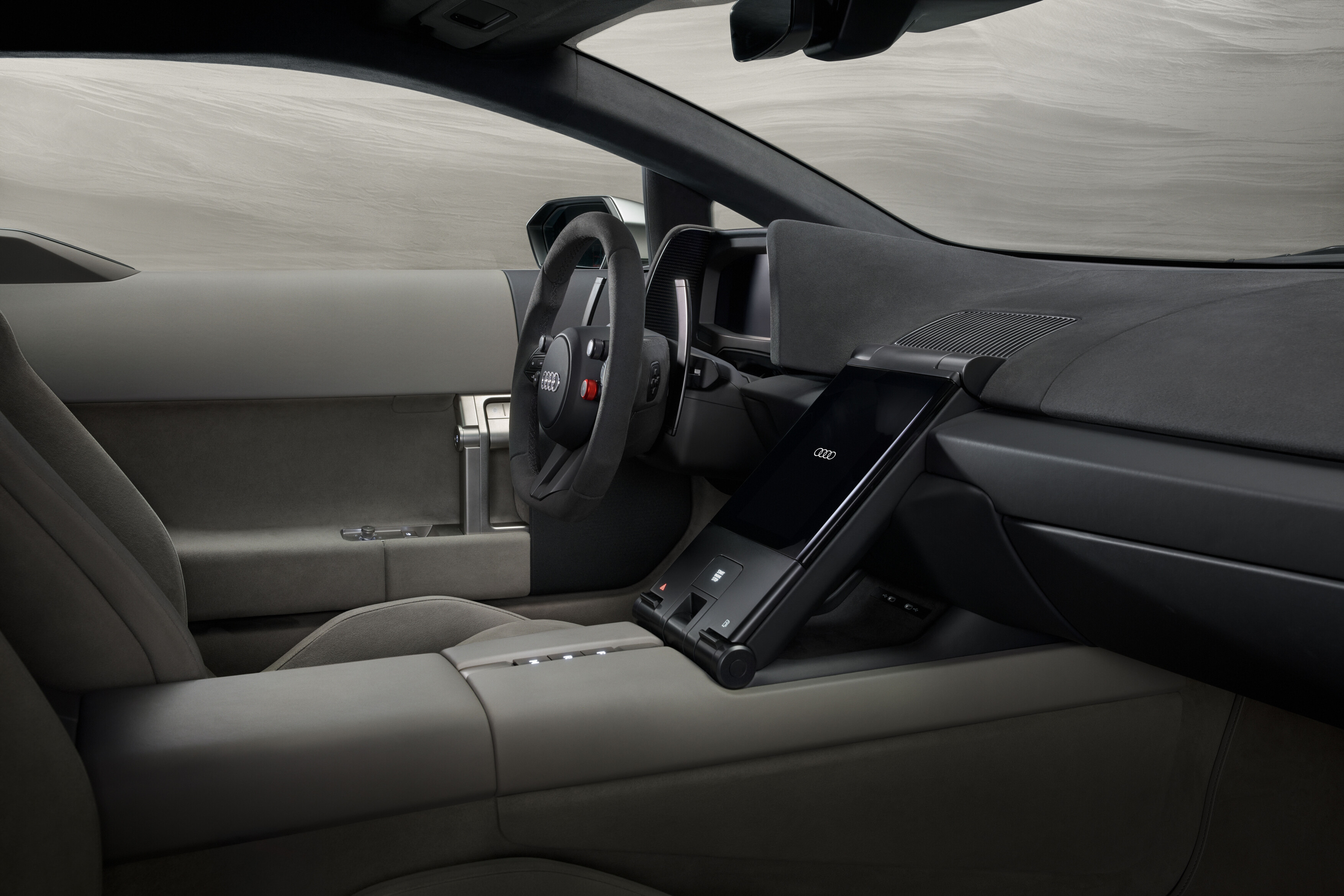
The cabin is driver-focused, with controls concentrated in the driver’s line of sight. Color accents reference the Auto Union Type C race car from the 1930s. The interior is divided into two zones: a dark front section for the driver area and a lighter rear section finished in “Shadow Dune.” Seats use a carbon fiber structure in the base and backrest.
Related: The limited Audi RS 3 Competition celebrates the five-cylinder motor
The car is named after Tazio Nuvolari, an Italian racing driver considered one of the most significant figures in motorsport history. Production is limited to 499 units.




can I buy a car