
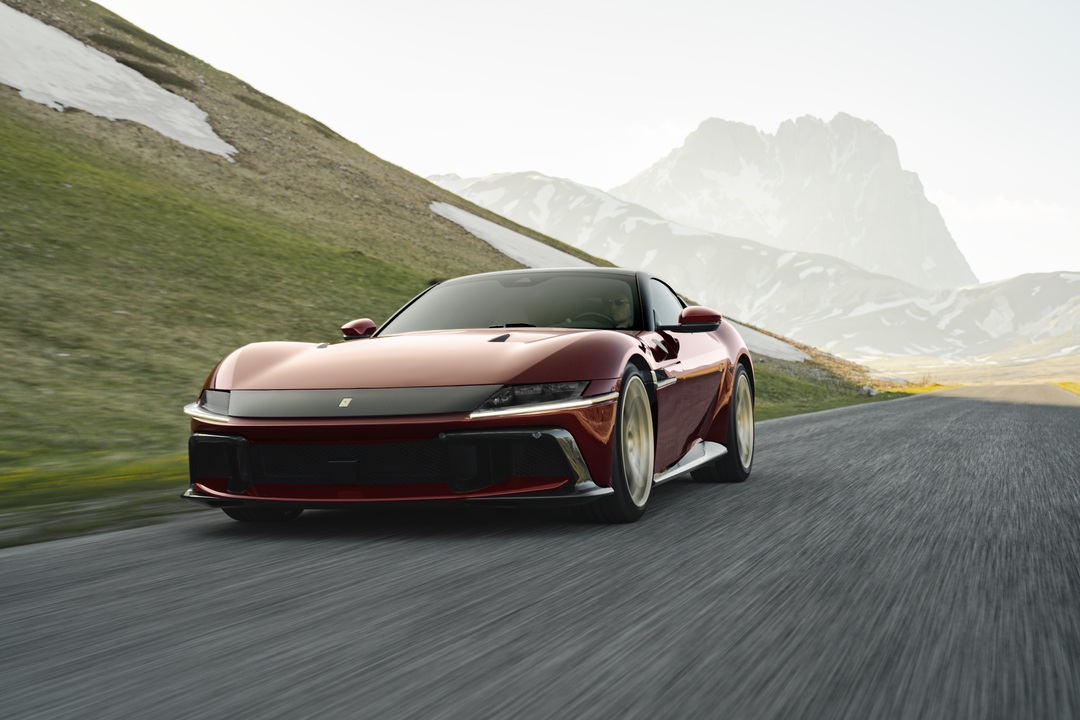
Ferrari has unveiled the 12Cilindri Manuale, a limited-edition version of the 12Cilindri that brings back a manual-style gear-shifting experience through a new electronic system called Manuale By-Wire.
Related: This is the Ferrari Luce–The first electric Ferrari
The car uses a new manual command-and-clutch pedal setup, developed entirely at Maranello, that translates the physical motion of a traditional gear change into an electronic signal while preserving the feel of the movement. The engineering team worked with the group behind Ferrari’s Hypersail project, which used a similar approach to build a by-wire system for boats.
Drivers can shift manually through six gears plus reverse, or leave the car in automatic mode. The 12Cilindri’s naturally aspirated V12 engine, which revs to 9,500 rpm, is paired with this system. Ferrari says the engine’s character at high revs works well with the manual gear-change progression.
The Manuale By-Wire system combines Ferrari’s 8-speed dual-clutch transmission (DCT) with newly built components: a gear lever, a control panel, and a pedal assembly with a by-wire clutch pedal. The engine and transmission themselves are unchanged — the new engineering is concentrated in the interface between driver and car.
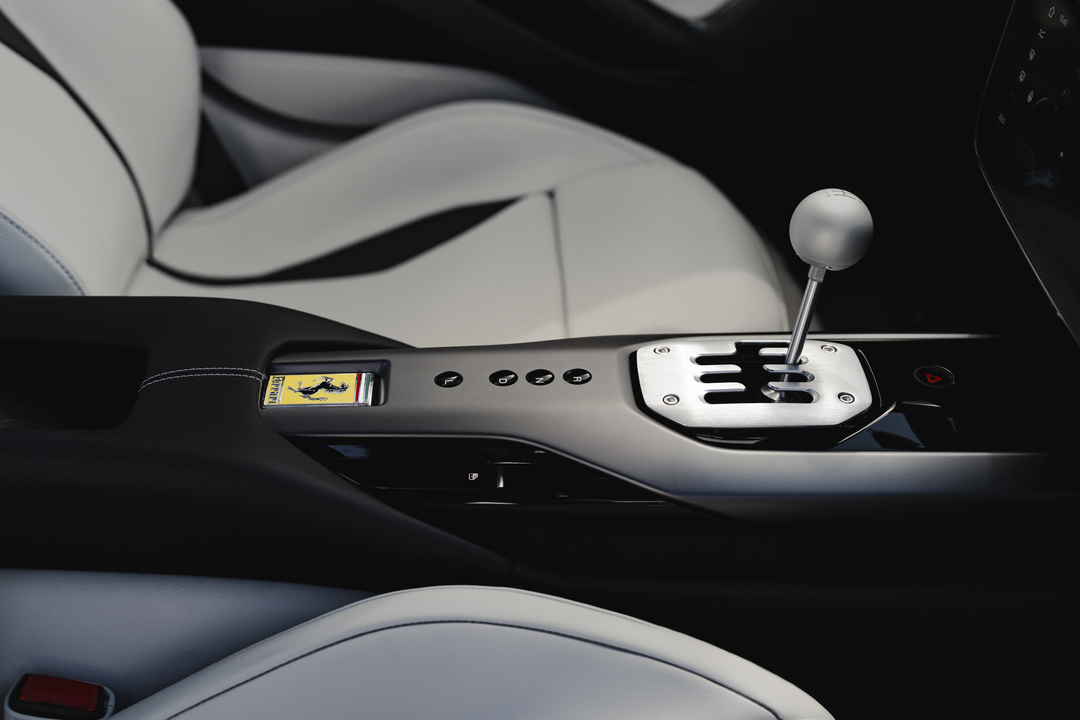
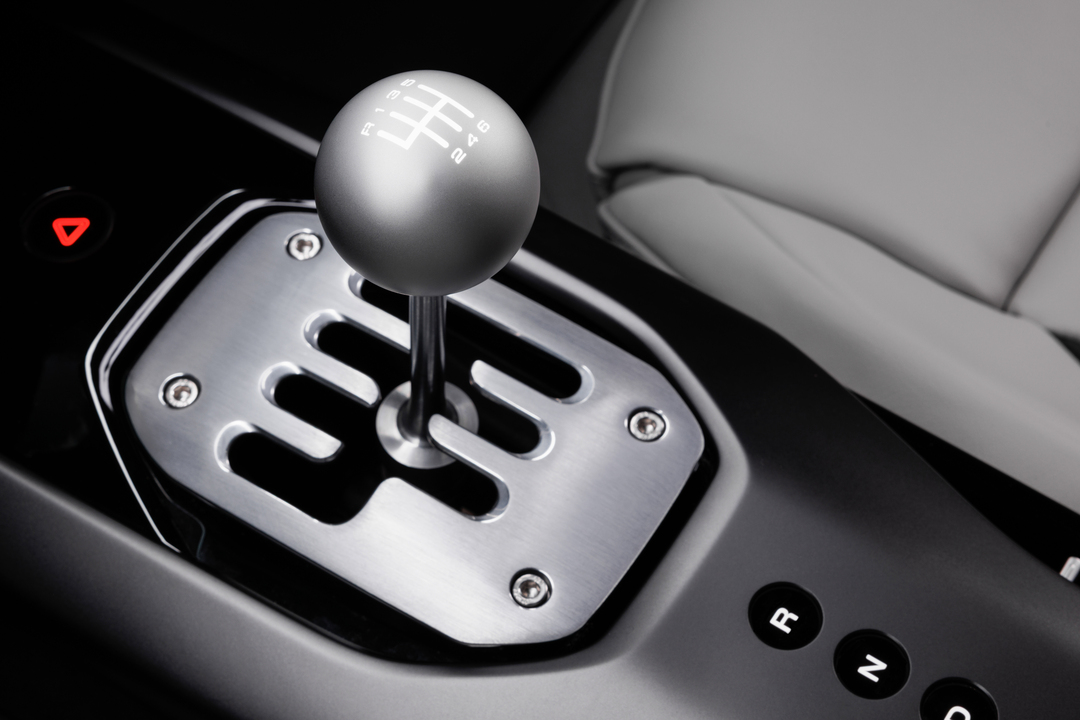
The gear lever mechanism uses a solid-machined steel rotating block with sensors that detect the driver’s input. A profiled rotating drum with a preloaded system creates the sensation of load building and releasing as gears are selected, meant to feel like a mechanical manual shifter. If the clutch isn’t pressed, or the wrong gear is selected, the system mechanically blocks the shift from completing. The mechanism weighs under 3.5 kg and includes sound tuning so the clicks and movements feel mechanical.
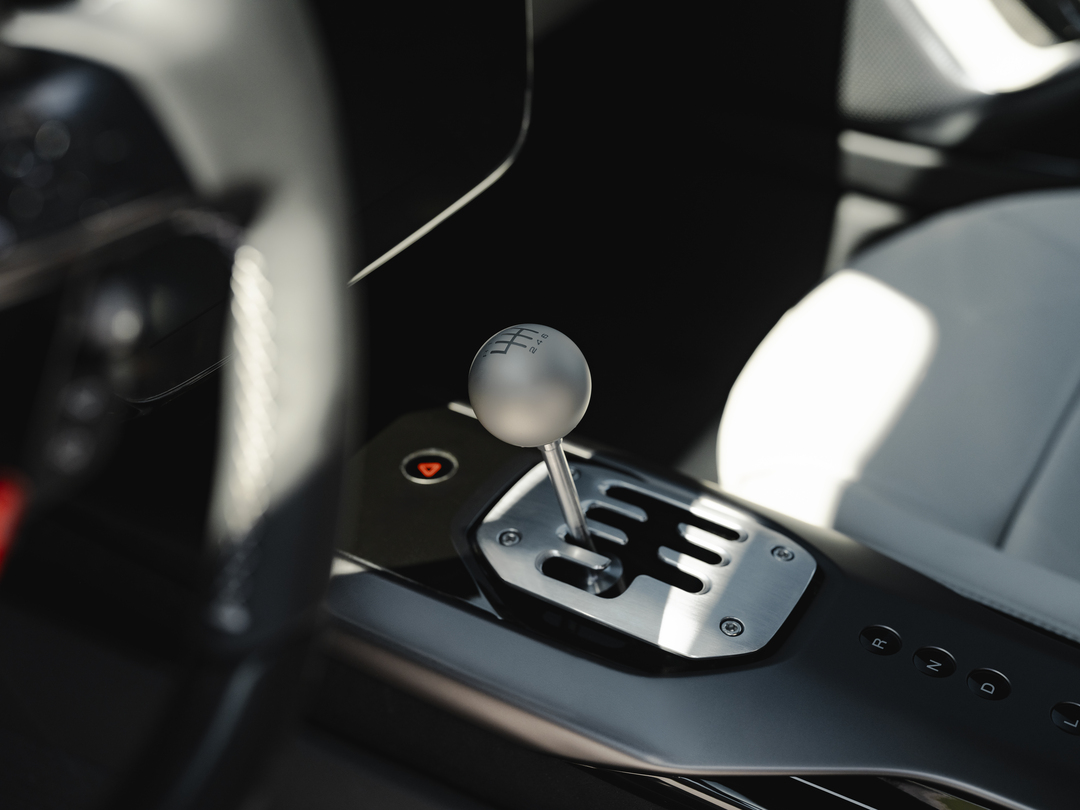
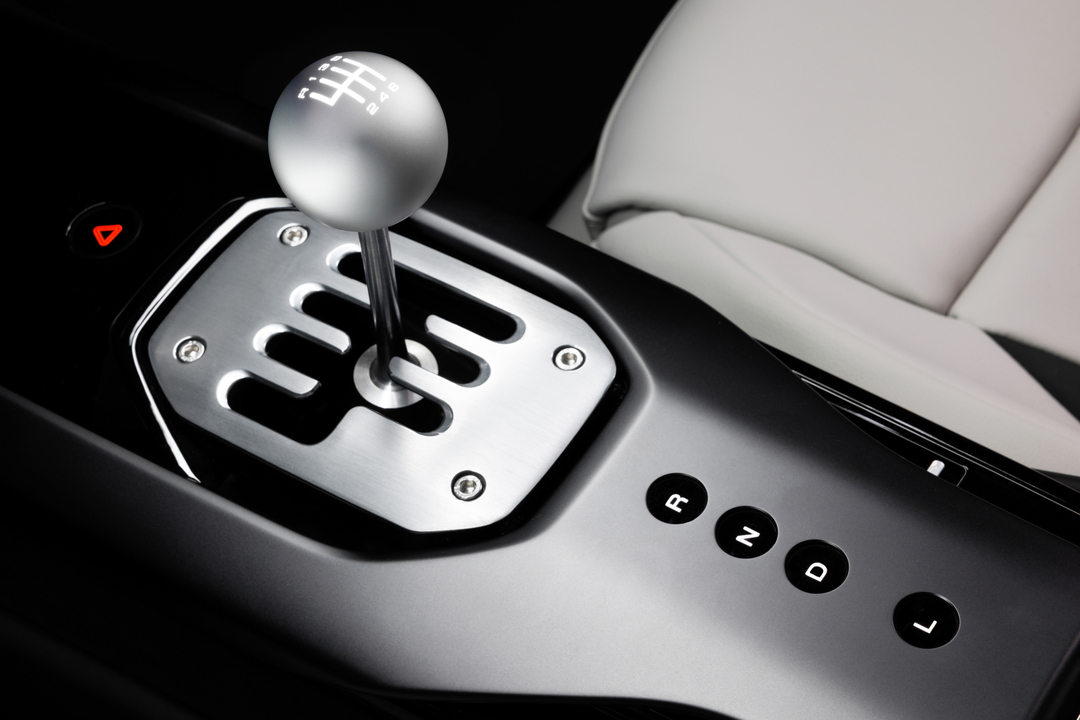
Driver input on the lever is read by two Hall-effect angle sensors, one on each axis, with a push-pull solenoid acting as a locking device. The gear knob itself is machined aluminum with a light-diffusing layer and 12 LEDs built into a small circuit board, lit in white and amber.
The clutch pedal works on a similar principle. Pressure on the pedal is read by a position sensor and converted into hydraulic actuation of the DCT clutch. A preload spring, cam, and roller system recreates the load-travel feel of a mechanical clutch. Get the timing right and the shift is smooth; get it wrong, and the car can jolt or stall, the same way a traditional manual would behave.
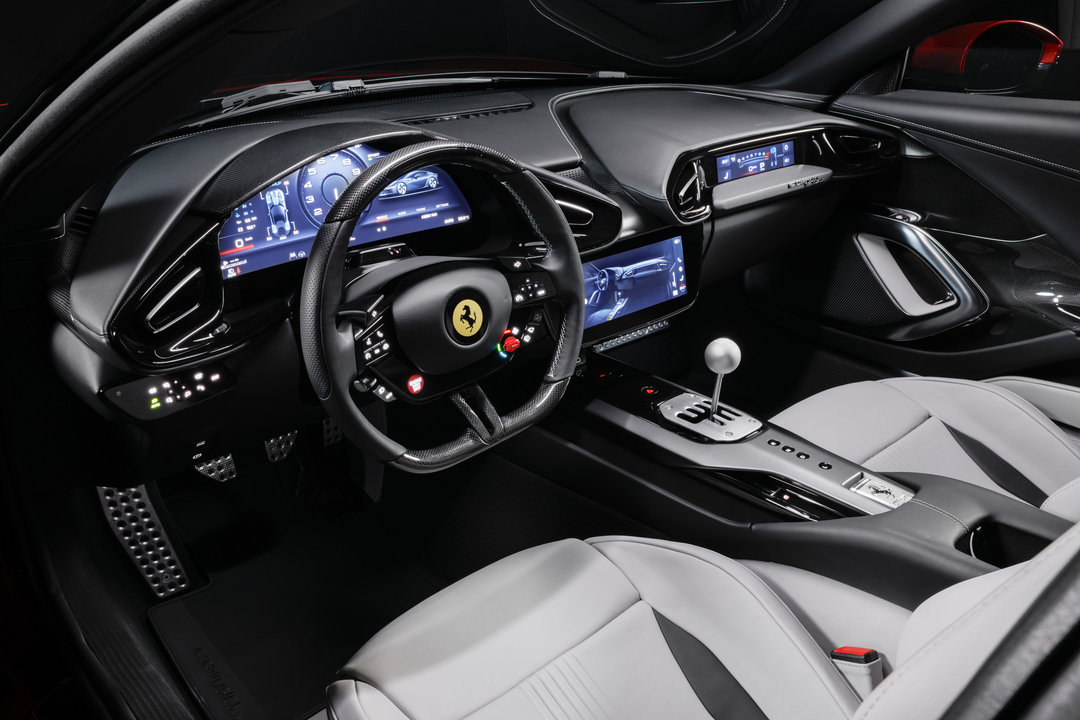
Ferrari also removed the steering wheel paddle shifters for this edition — the first time in years the paddles have been dropped from a Ferrari — so that manual mode is only accessible through the clutch pedal and gear lever. In automatic mode, drivers can still pre-select gears using the lever, with the instrument cluster showing how the rev counter will respond. The system supports heel-and-toe downshifting and includes coasting management, allowing the car to slow to idle smoothly and mimic clutch behavior during deceleration.
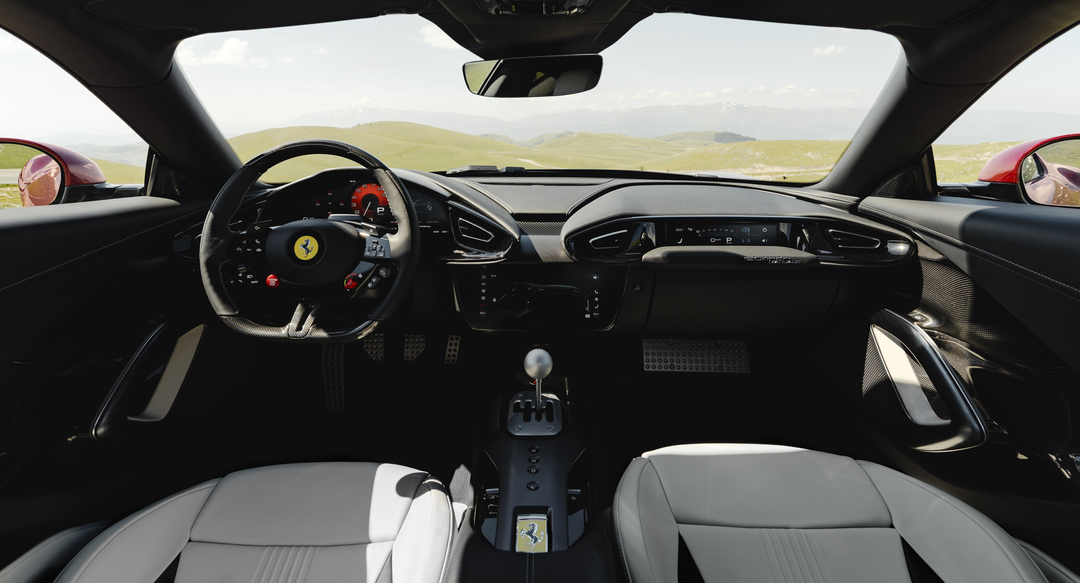
Inside, the center console, gear lever, knob, shift gate, and pedals have been redesigned. The shift gate follows the classic six-speed pattern with reverse at the top left. The round aluminum gear knob has a backlit screen print showing the six gears and whether the car is in manual or automatic mode. The shift gate itself sits on a steel plate finished with an anodized aluminum sculpture shaped like a tuning fork, which also houses the control panel and key slot. Seats, offered in Comfort and Racing versions, feature six vertical grooves that reference the six gears.
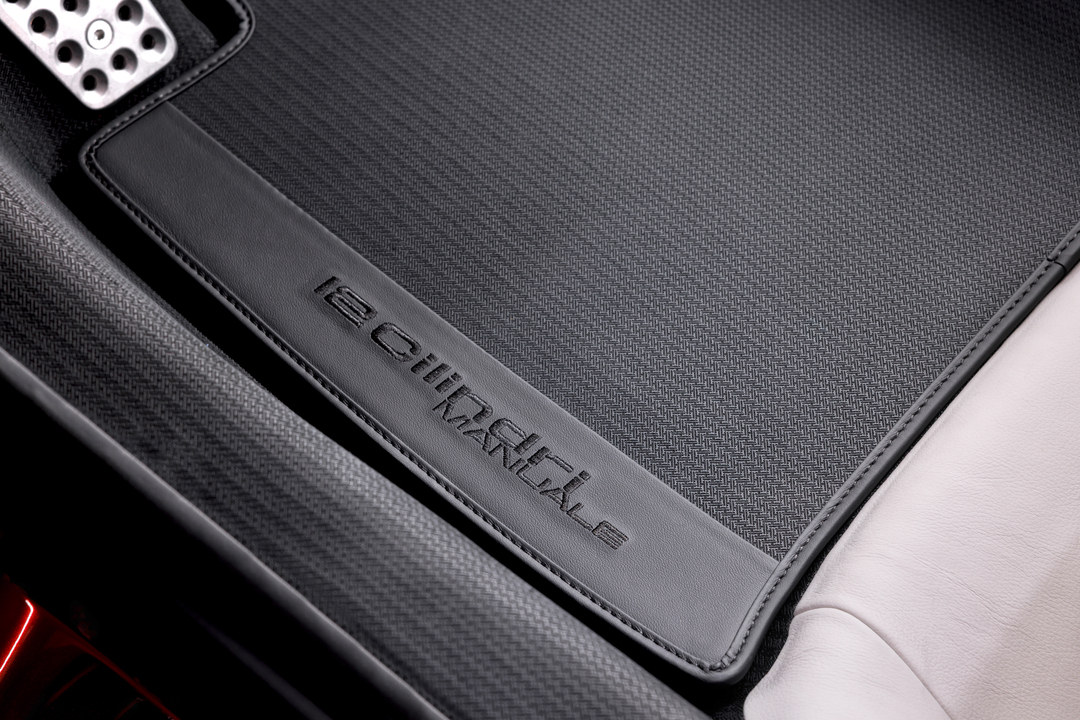
Exterior details include a laser-etched logo on the side badge, and a pinstripe finish on the front splitter and rear wings referencing the Ferrari 365 GTB4. The car also gets a distinct scudetto finish, made using a technique similar to coin embossing, forged five-spoke wheels available in four finishes, and an aluminum door sill engraved with the car’s logo (or, on the optional carbon-fiber sill, painted on). An optional livery referencing the six-speed gearbox is also available. Buyers can choose from 25 Ferrari colors, including the launch color Rosso Rubino, as well as heritage shades such as Argento Nürburgring, Nero Daytona, Rubino Micalizzato, Rosso Dino, Giallo Montecarlo, Verde Zeltweg, Azzurro La Plata, Blu Pozzi, Bianco Mille Miglia, and Viola Hong Kong.
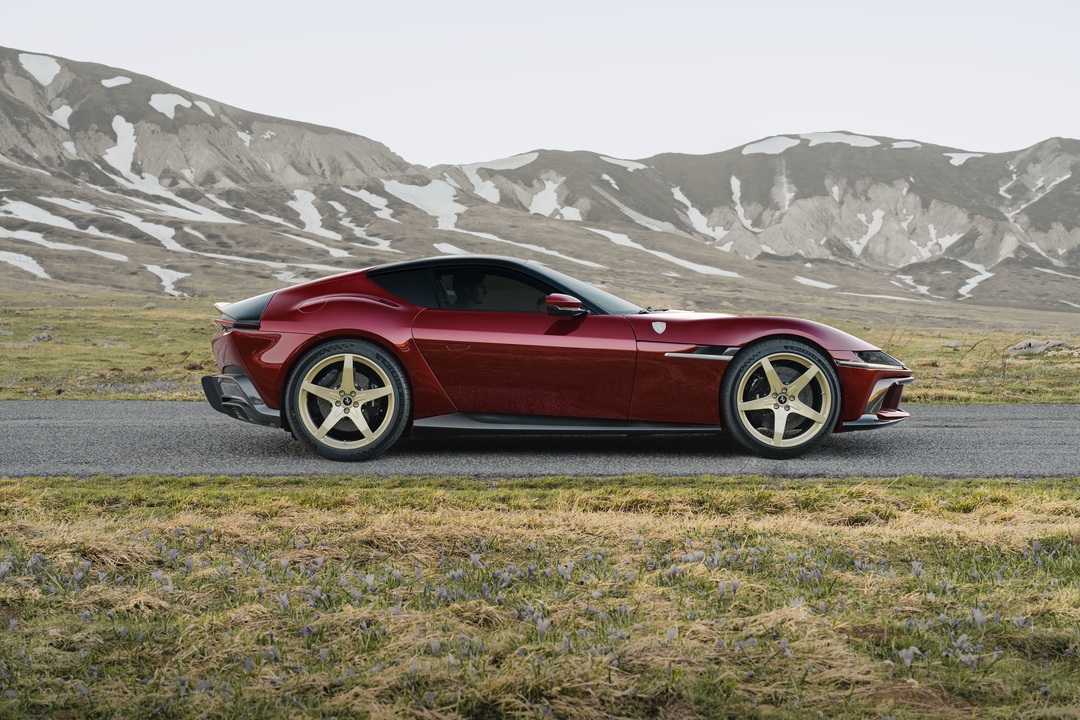
Ferrari will build only 499 units of the 12Cilindri Manuale, which is a number tied to the displacement, in cubic centimeters, of Ferrari’s first V12 engine, built in 1947.




0 Comments
Leave a Reply