
Honda has announced a broad restructuring plan for its automobile business, aiming to improve profitability, strengthen hybrid vehicle operations, and adapt to changing global demand trends.
Related: Honda to change electrification strategy, cancels 0 SUV, 0 Saloon, and Acura RSX EVs
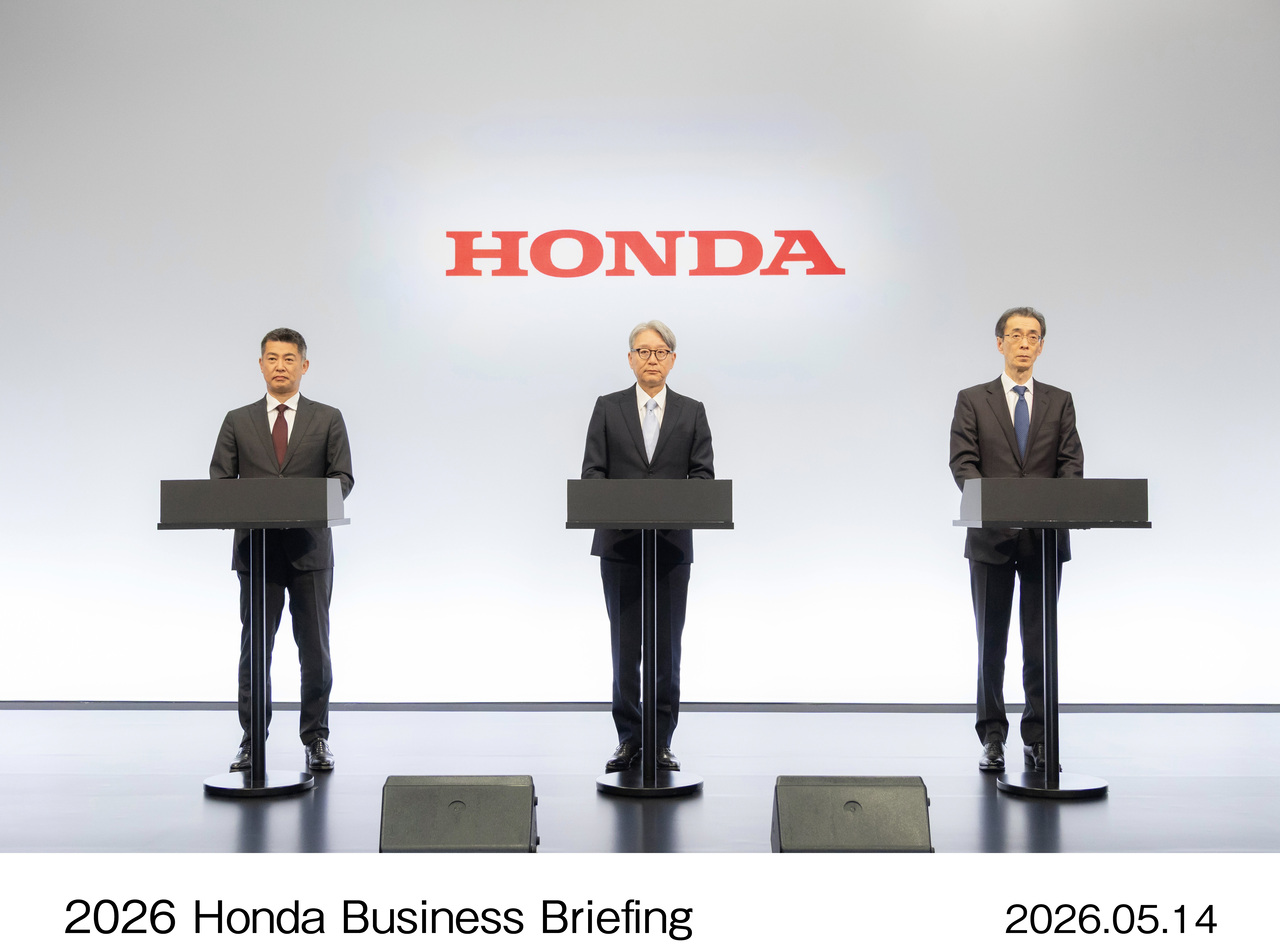
During a business update briefing, President and Representative Executive Officer Toshihiro Mibe said Honda will focus on restructuring its automotive operations over the next three years, aiming to achieve an operating profit of more than ¥1.4 trillion by the fiscal year ending March 2029.
The company said it will improve competitiveness by reducing costs, improving development efficiency, and concentrating resources in key regions, including North America, Japan, and India.
Honda said it will reallocate development and production resources toward hybrid vehicles due to rising demand. Beginning in 2027, the automaker plans to introduce next-generation hybrid models with updated platforms and hybrid systems.
The company aims to launch 15 hybrid models globally by fiscal year 2029, primarily in North America. Honda also plans to introduce large hybrid models in the D-segment and above in the region by 2029.
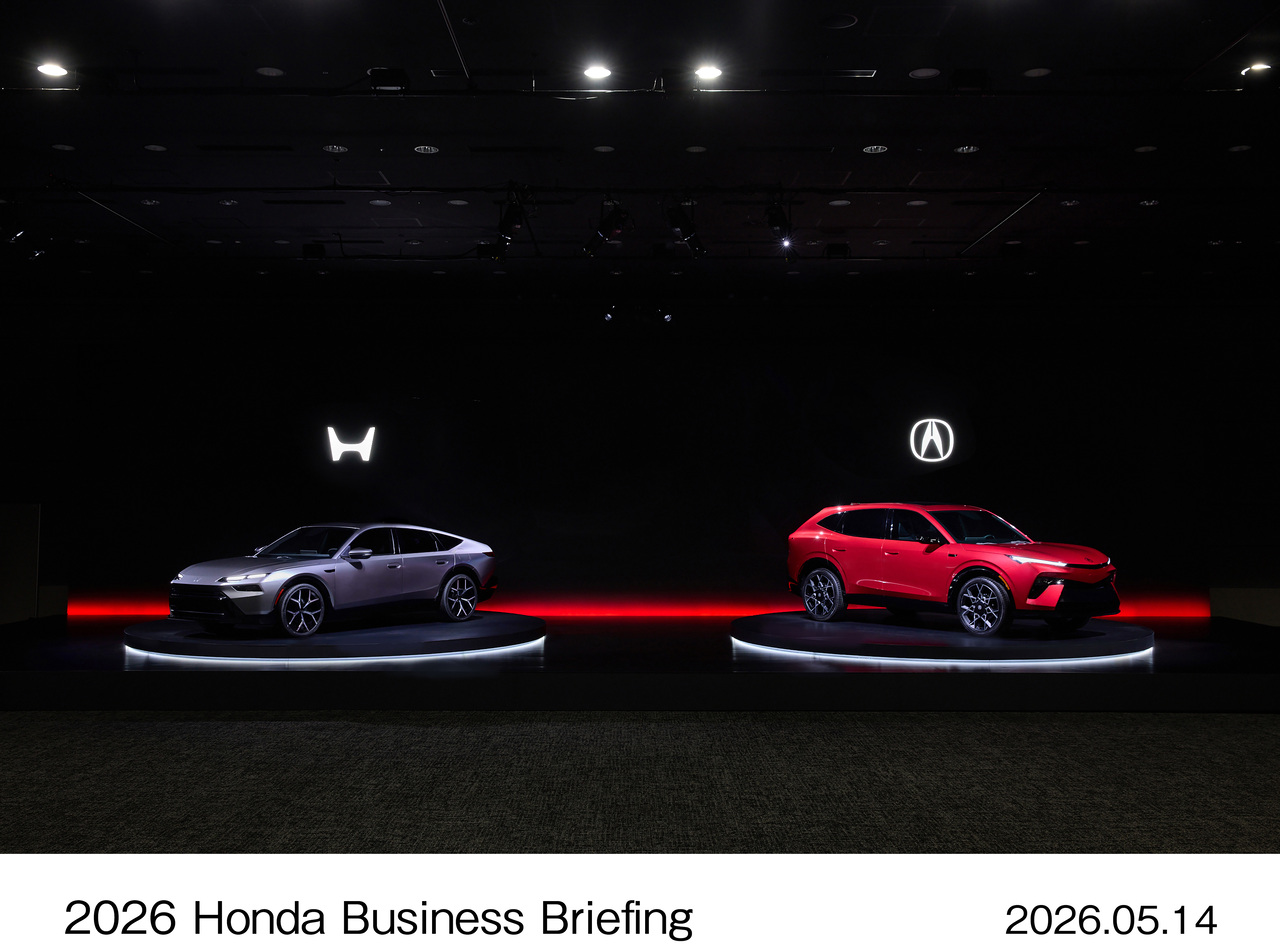
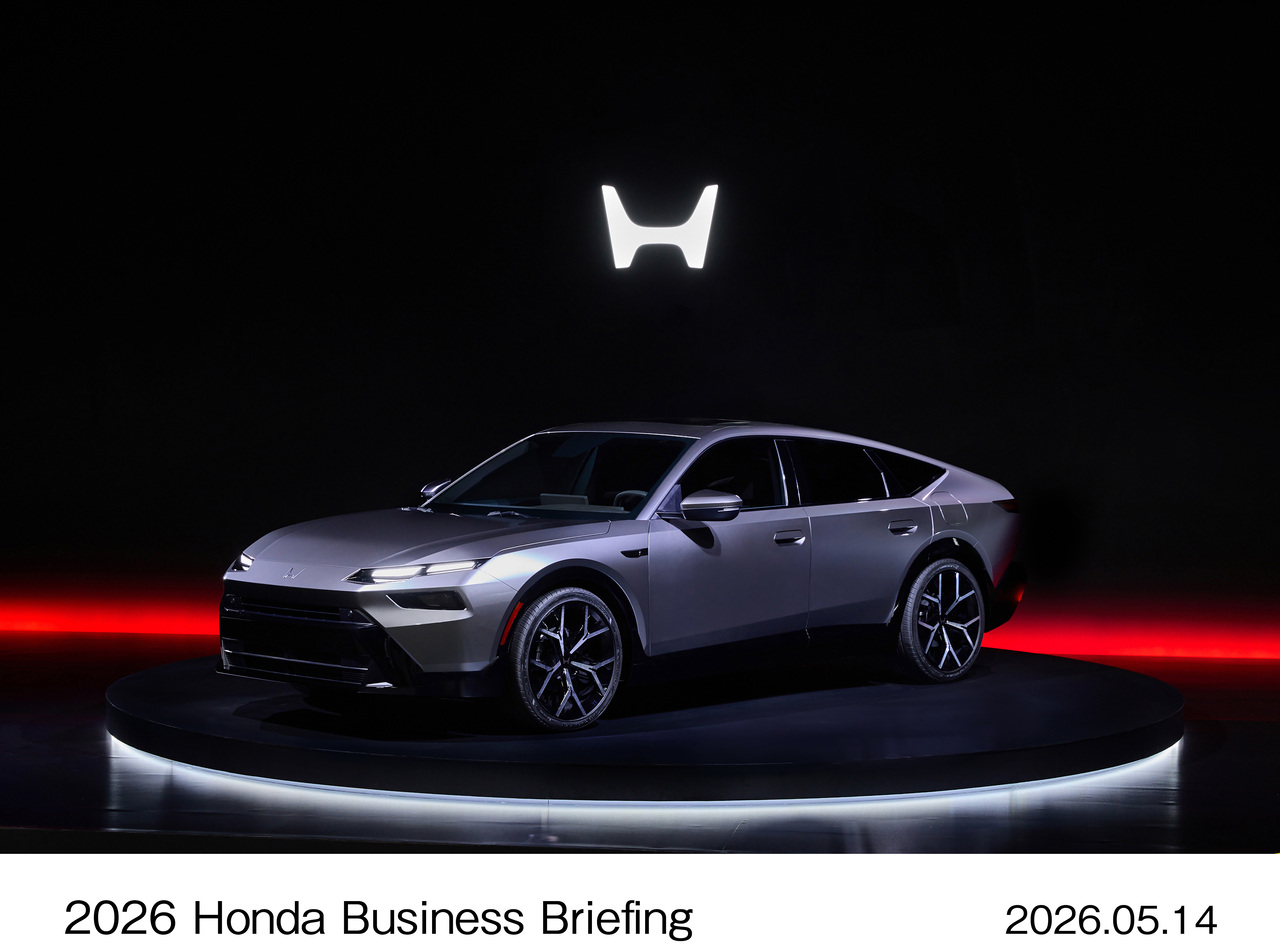
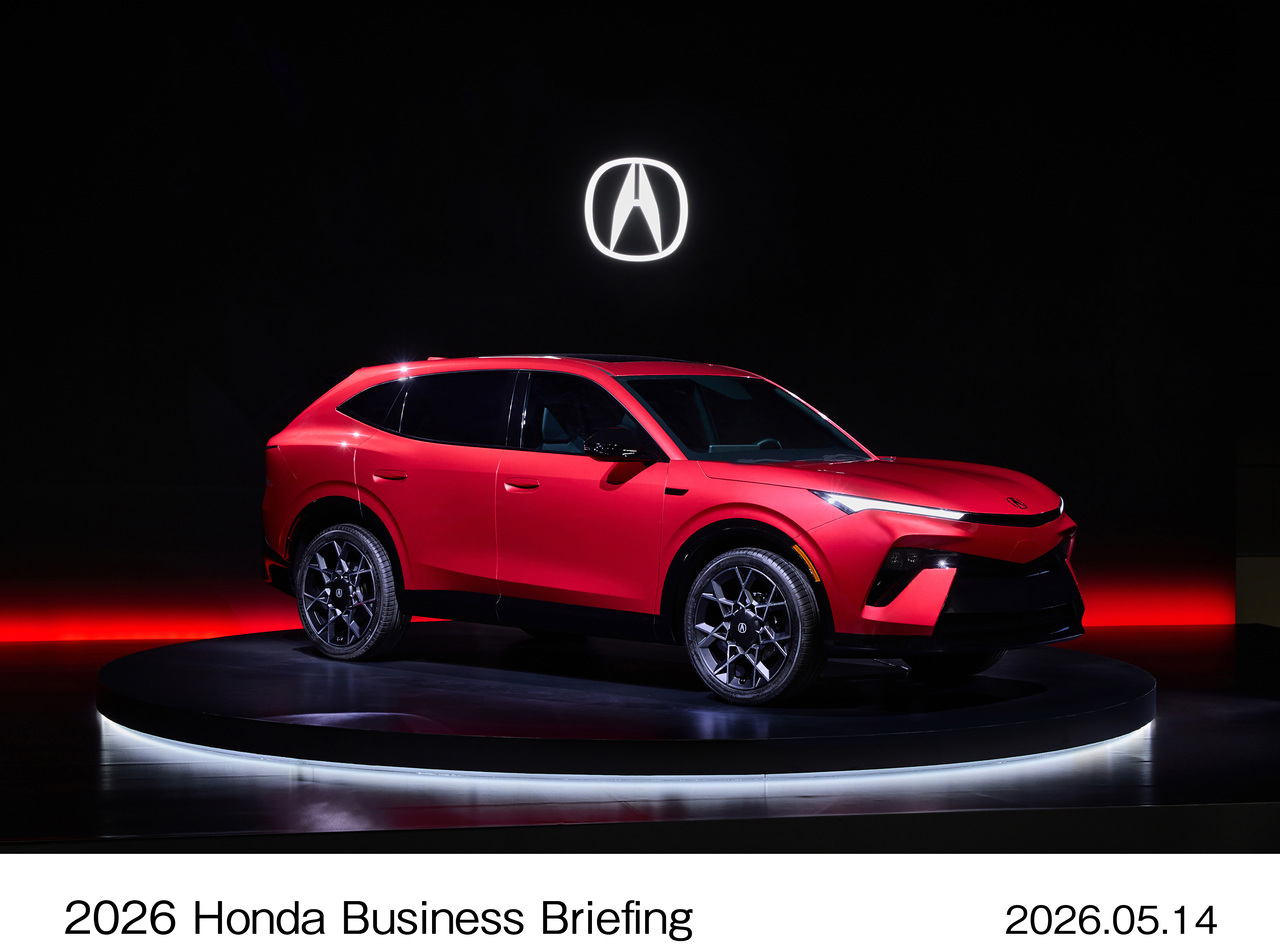
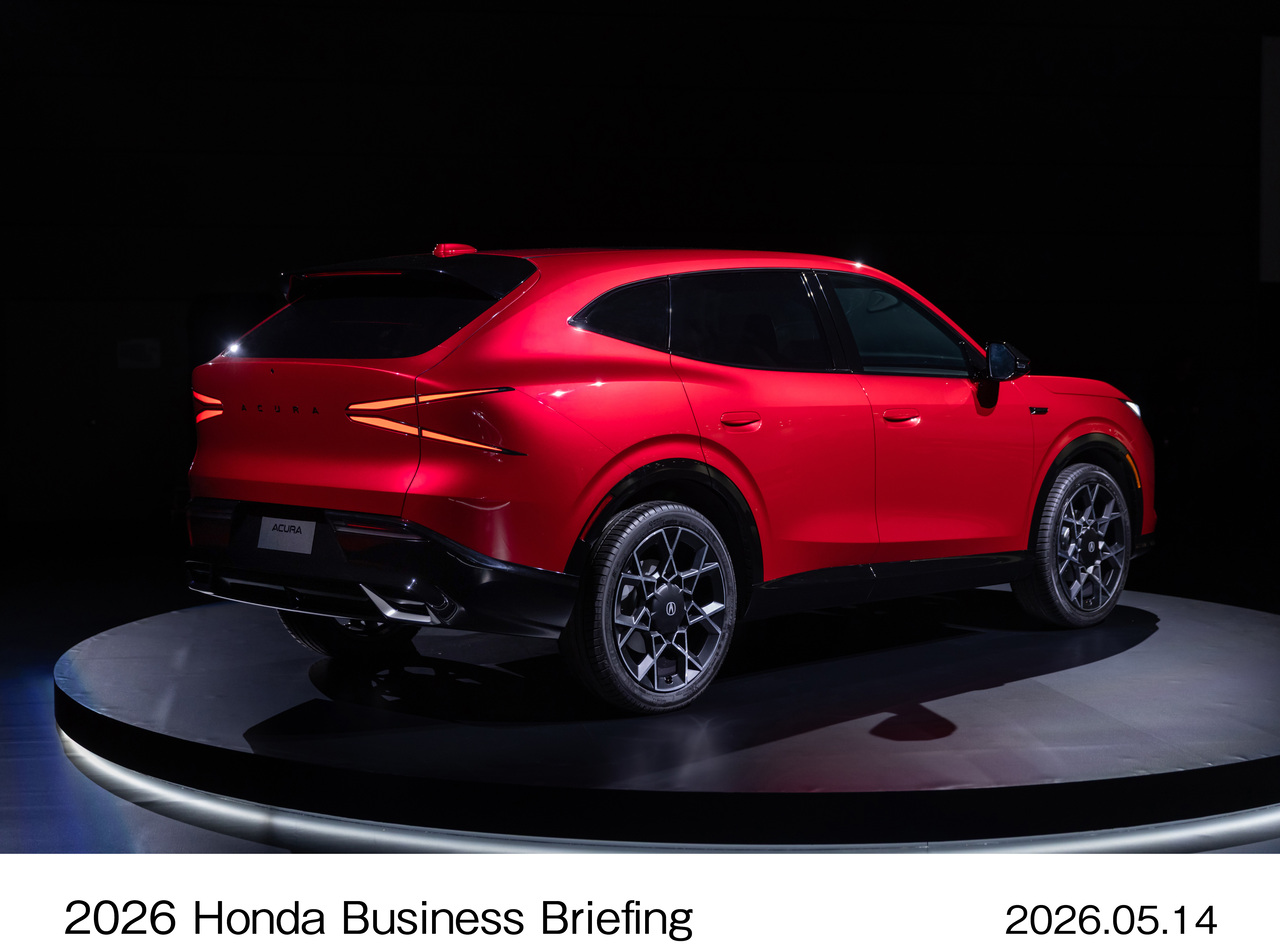
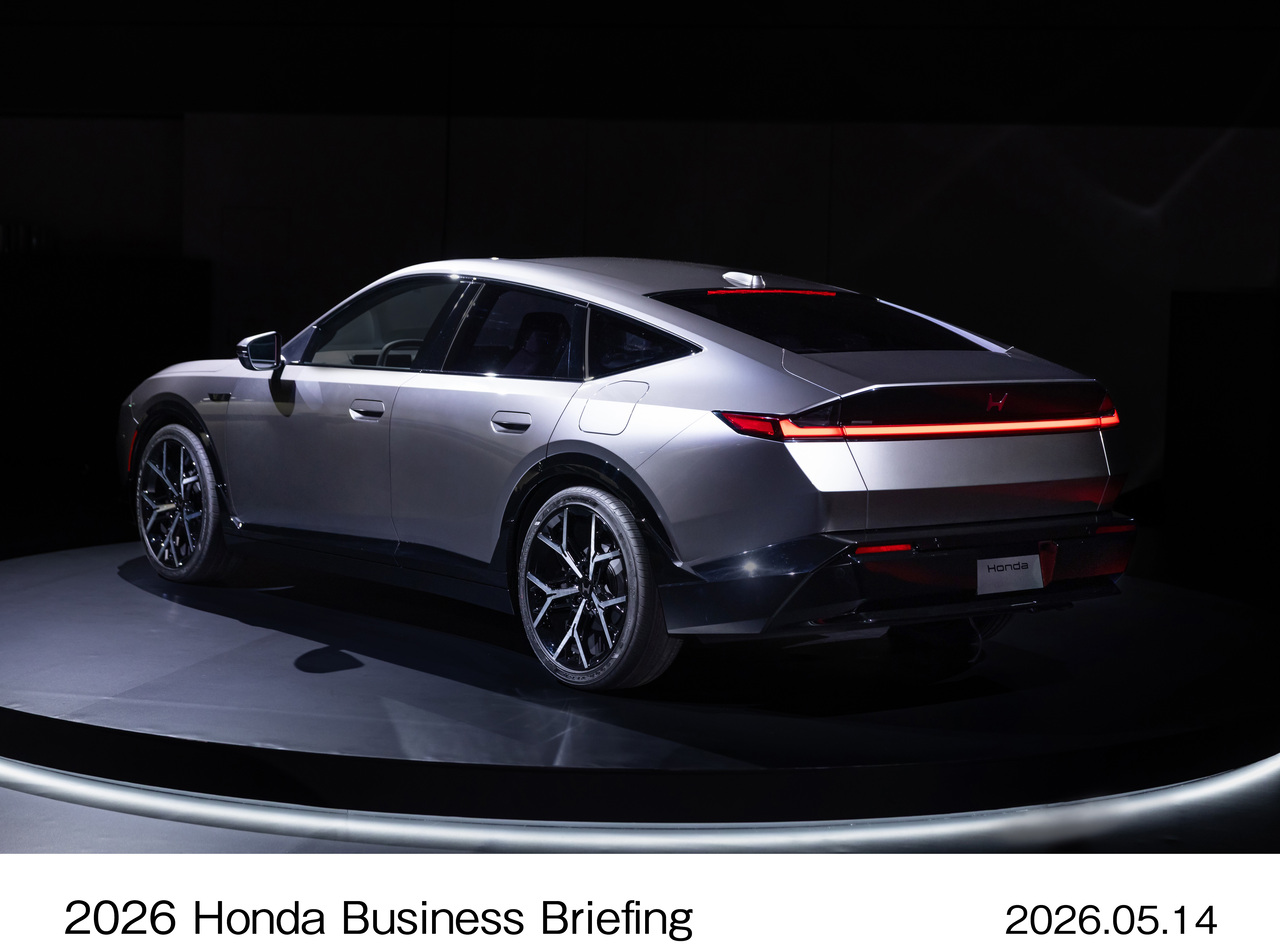
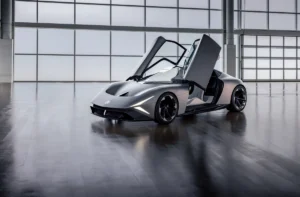
Honda also unveiled the “Honda Hybrid Sedan Prototype” and the “Acura Hybrid SUV Prototype,” both scheduled for release within the next two years.
The next-generation hybrid system is expected to reduce costs by more than 30% compared to 2023 models while improving fuel efficiency by over 10%. The system will also feature a newly developed electric all-wheel-drive unit.
Honda said its next-generation advanced driver assistance system (ADAS), scheduled for launch in 2028, will be installed in more than 15 hybrid models worldwide over the next five years.
In North America, Honda will allocate surplus capacity at its Ohio vehicle plant to internal combustion engine (ICE) and hybrid vehicles. The company also said all North American plants will be capable of producing hybrid vehicles.
Honda plans to repurpose part of the battery production line operated by its joint venture with LG Energy Solution for hybrid vehicle applications. It also aims to increase local procurement of motor and inverter components by more than four times to reduce tariff exposure and supply risks.
In Japan, Honda plans to expand its electric vehicle lineup, especially kei vehicles, including the launch of the N-BOX EV in 2028. The company will also introduce next-generation hybrid and ADAS-equipped models starting with the next-generation VEZEL.
Honda said it also plans to expand higher-value variants such as the “SPORT LINE” and “TRAIL LINE” to strengthen domestic sales.
In India, Honda will develop strategic vehicles tailored to local customer preferences, including sub-4-meter and midsize models scheduled for launch from 2028 onward.
The automaker also plans to capitalize on its motorcycle business in India, where it sells nearly six million motorcycles annually, to encourage customers to upgrade to Honda cars.
As part of this strategy, Honda will establish “Honda Digital Innovation India” and use a captive finance company expected to begin operations in fiscal year 2026.
In China, Honda said it will strengthen competitiveness by using locally standardized parts and technologies while accelerating the rollout of new energy vehicles using local partners’ platforms.
Honda said it will implement major cost-cutting measures by increasing the use of standardized components and incorporating cost competitiveness from China and India into its global operations.
The company is also targeting a “triple halving” initiative to reduce development costs, time, and man-hours by half compared to 2025 levels.
Honda plans to use digital tools and artificial intelligence to improve efficiency in design, testing, and production preparation. The company also aims to cut development timelines for minor model changes starting this fiscal year and for full model changes beginning in 2028.
Production efficiency is expected to improve by about 20% over the next five years through more efficient investment in new models and manufacturing equipment.
Honda said it remains committed to achieving carbon neutrality by 2050 through a combination of EVs, hybrids, carbon-neutral fuels, and carbon offset technologies.
The company said it will continue developing EV platforms and solid-state batteries while also expanding the use of its ASIMO OS software platform to hybrid vehicles.
Honda added that its future electrical and electronic architecture will use a domain-based system designed to adapt to different regional needs and changing market conditions.
Honda expects the global motorcycle market to grow to 60 million units by 2030 and plans to expand its market share through new products and increased production capacity.
In India, Honda plans to raise motorcycle production capacity from 6.25 million units to around 8 million units by 2028. The company also aims to turn India into a larger export hub for Latin America and ASEAN markets.
Honda said it will continue introducing technologies such as the Honda E-Clutch while responding flexibly to demand for electric motorcycles.
Honda said it will shift investment resources from EVs to hybrid vehicles over the next three years.
The company plans to limit EV investments to ¥800 billion during the period while allocating ¥1 trillion to software development and ¥4.4 trillion to ICE and hybrid vehicles. Total planned investment over the three years will reach ¥6.2 trillion.
Honda expects research and development-adjusted cash flow to exceed ¥7 trillion, excluding EV-related losses, supported by automotive profitability and strong motorcycle business performance.
The automaker said it will continue paying stable dividends at a 3% dividend-on-equity ratio.
Honda also announced plans to review its governance structure to improve transparency and decision-making.
The company said the review will include maintaining a majority of outside directors on the Board of Directors and revising committee structures and management oversight systems.



0 Comments
Leave a Reply