
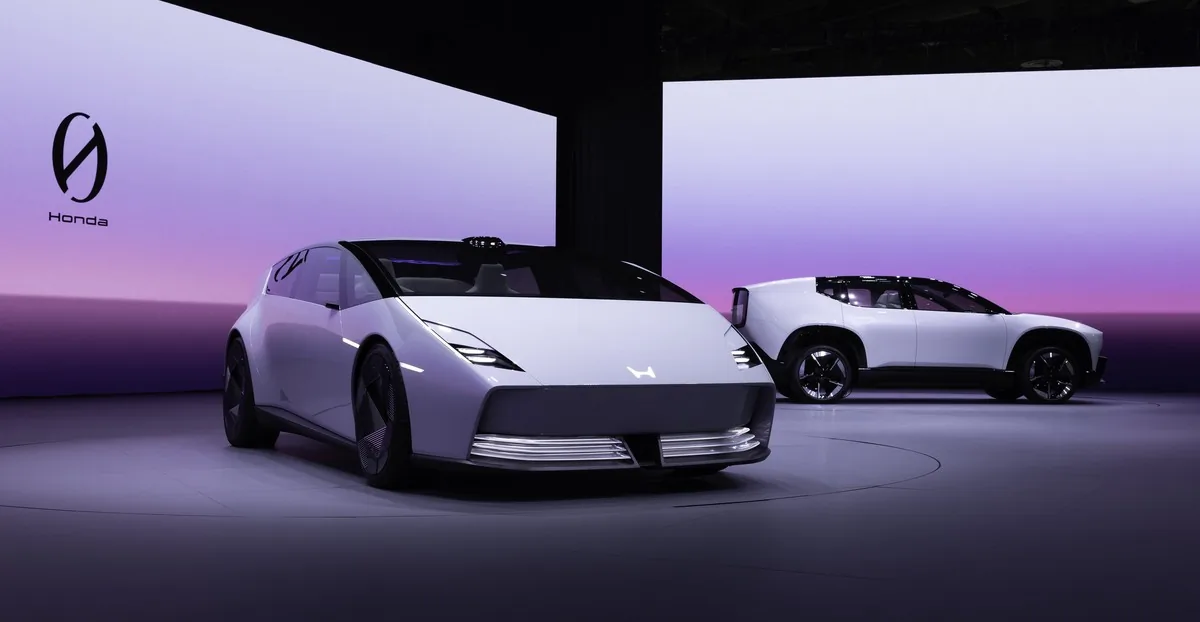
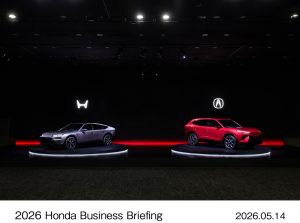
Honda has announced a major review of its four-wheel electrification strategy, cancelling the development and launch of three electric vehicles previously planned for production in North America. The decision comes amid changes in the global business environment and weakening profitability in the company’s automobile operations.
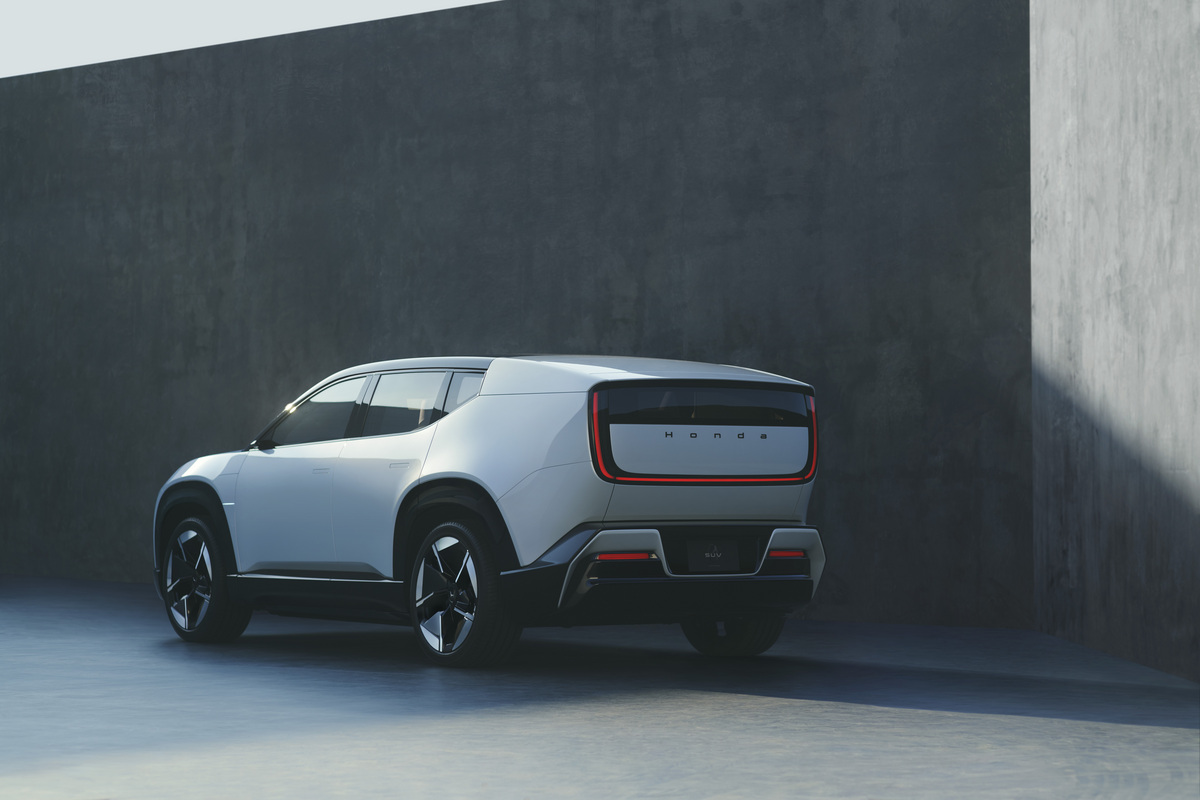
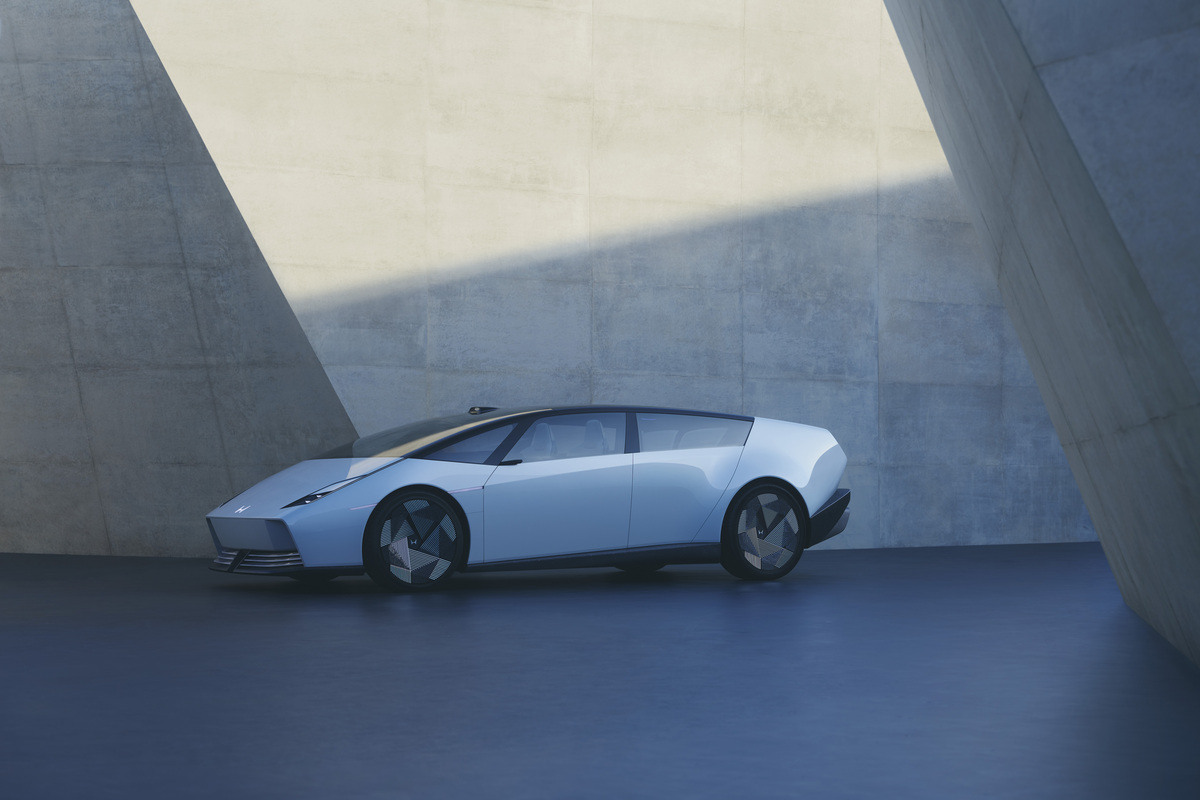
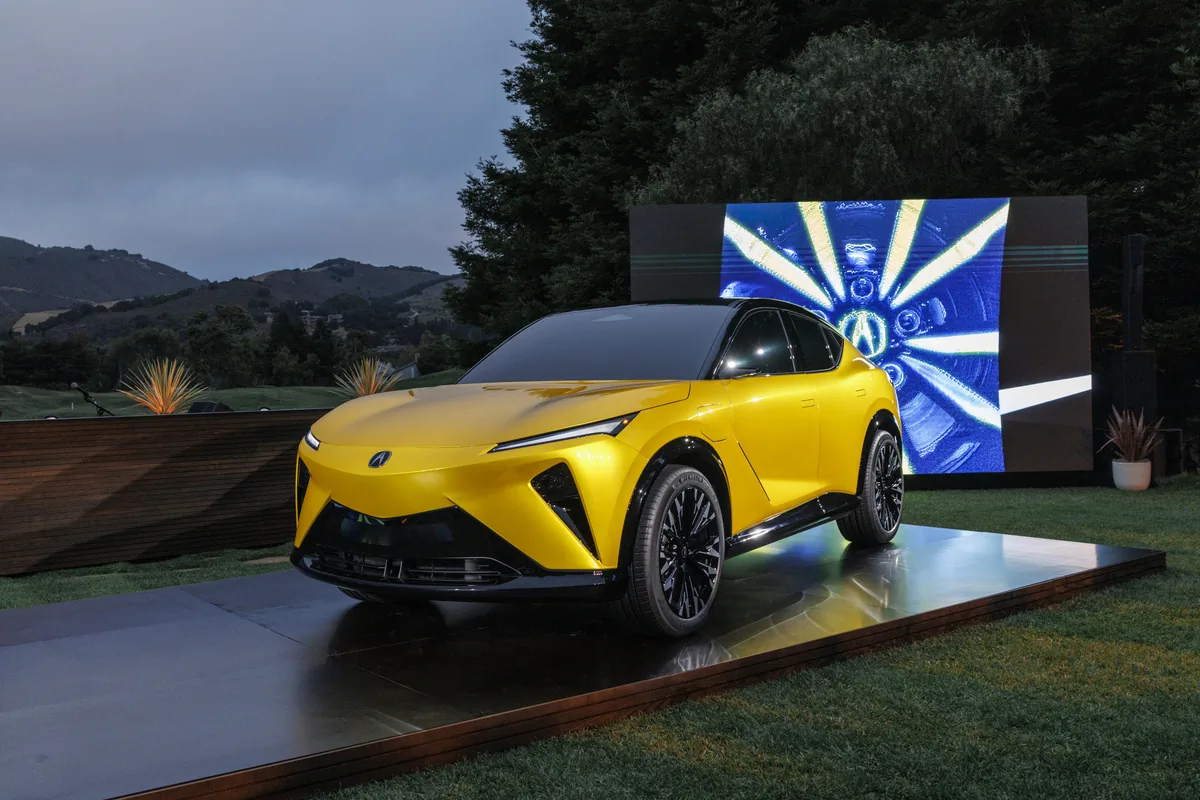
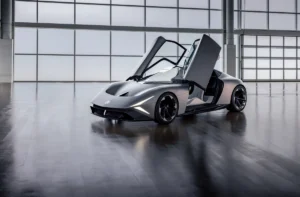
The cancelled models include the Honda 0 SUV, Honda 0 Saloon, and Acura RSX, which were scheduled to be produced in the United States. Honda said continuing with these projects carried the risk of further financial losses once production and sales began. As for the Honda 0 Alpha, it still seems to be pushing through specifically as an EV crossover for the Asian market.
Honda has set a long-term target of achieving carbon neutrality across all products and corporate activities by 2050. The company had been accelerating the transition to EVs, viewing them as a key solution for small mobility such as passenger cars.
However, Honda said the business environment for its four-wheel division has shifted significantly. Profitability in the automotive business has deteriorated due to several factors, including the impact of changes in U.S. tariff policies affecting internal combustion engine (ICE) and hybrid vehicles, and reduced competitiveness in parts of Asia after resources were shifted toward EV development.
In the United States, Honda noted that the pace of EV adoption has slowed following changes to environmental regulations and revisions to EV subsidy programs.
Meanwhile, competition in China and other Asian markets has intensified as customer expectations shift toward software-focused features such as software-defined vehicles (SDVs), advanced driver assistance systems (ADAS), and rapid development cycles. Honda said emerging EV manufacturers have been able to move faster in these areas, making it harder for the company to offer competitive value.
As a result of the strategic review, Honda expects to incur substantial losses related to asset impairments and project cancellations tied to the three EV programs. These include retirement and impairment of tangible and intangible assets intended for their production, as well as expenses linked to halting development and planned sales activities.
The company also expects impairment losses on investments in China under the equity method, reflecting increasing market competition.
For the fiscal year ending March 2026, Honda forecasts:
Operating expenses of ¥820 billion to ¥1.12 trillion
Equity-method investment losses of ¥110 billion to ¥150 billion
Extraordinary losses of ¥340 billion to ¥570 billion in individual results
Additional costs tied to the electrification strategy review could reach up to ¥2.5 trillion in future fiscal years, although the final amount remains uncertain.
Looking ahead, Honda plans to reorganize its strategy to better respond to market changes.
The company will strengthen its hybrid vehicle lineup, particularly in response to slower EV market growth in the United States. It also plans to expand its model lineup and improve cost competitiveness in India, where the automotive market is expected to grow.
In other Asian markets, Honda will focus on next-generation hybrid vehicles while reviewing resource allocation to improve competitiveness.
Honda added that future EV initiatives will remain flexible, balancing long-term demand and profitability.
Details of the company’s medium- to long-term restructuring plan for the automobile business will be presented at a press conference scheduled for May.
In response to the expected losses, Honda executives will return part of their compensation.
The President and CEO and Vice CEO will return 30% of three months’ salary.
Management committee members and managing executive officers involved in the automobile business will return 20% of their salaries for three months.
Short-term incentive payments linked to performance for the fiscal year ending March 2026 will also not be paid to the president, the representative executive officer, and the vice president. As a result, their annual compensation will be reduced by 25% to 30% compared with standard levels.




0 Comments
Leave a Reply