
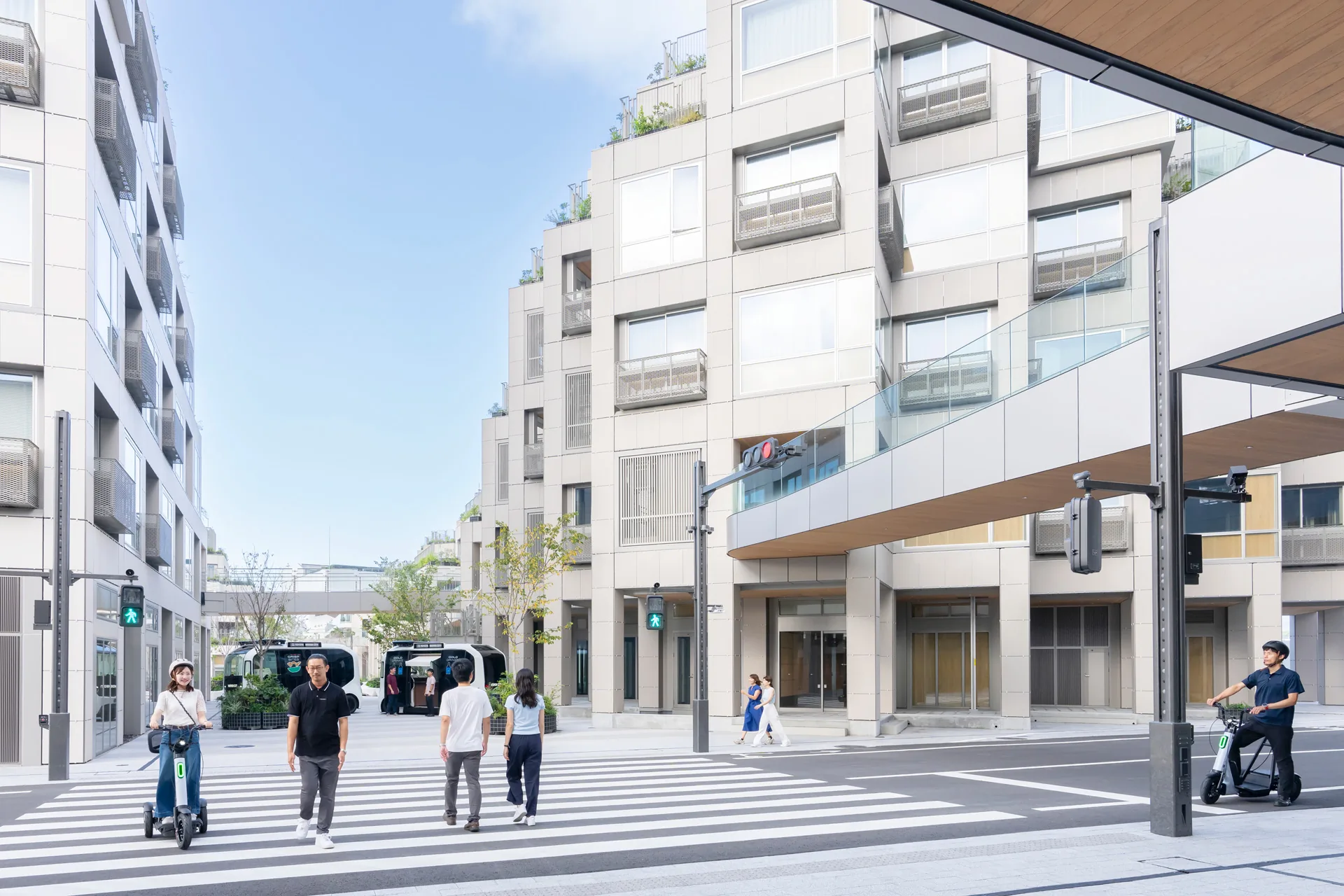
Toyota Motor Corporation and Woven by Toyota, Inc. have officially launched Woven City, a real-world test course for mobility and innovation, located in Susono City, Shizuoka Prefecture. First unveiled at CES 2020, the project is now operational, with residents moving in and partner companies initiating co-creation activities.
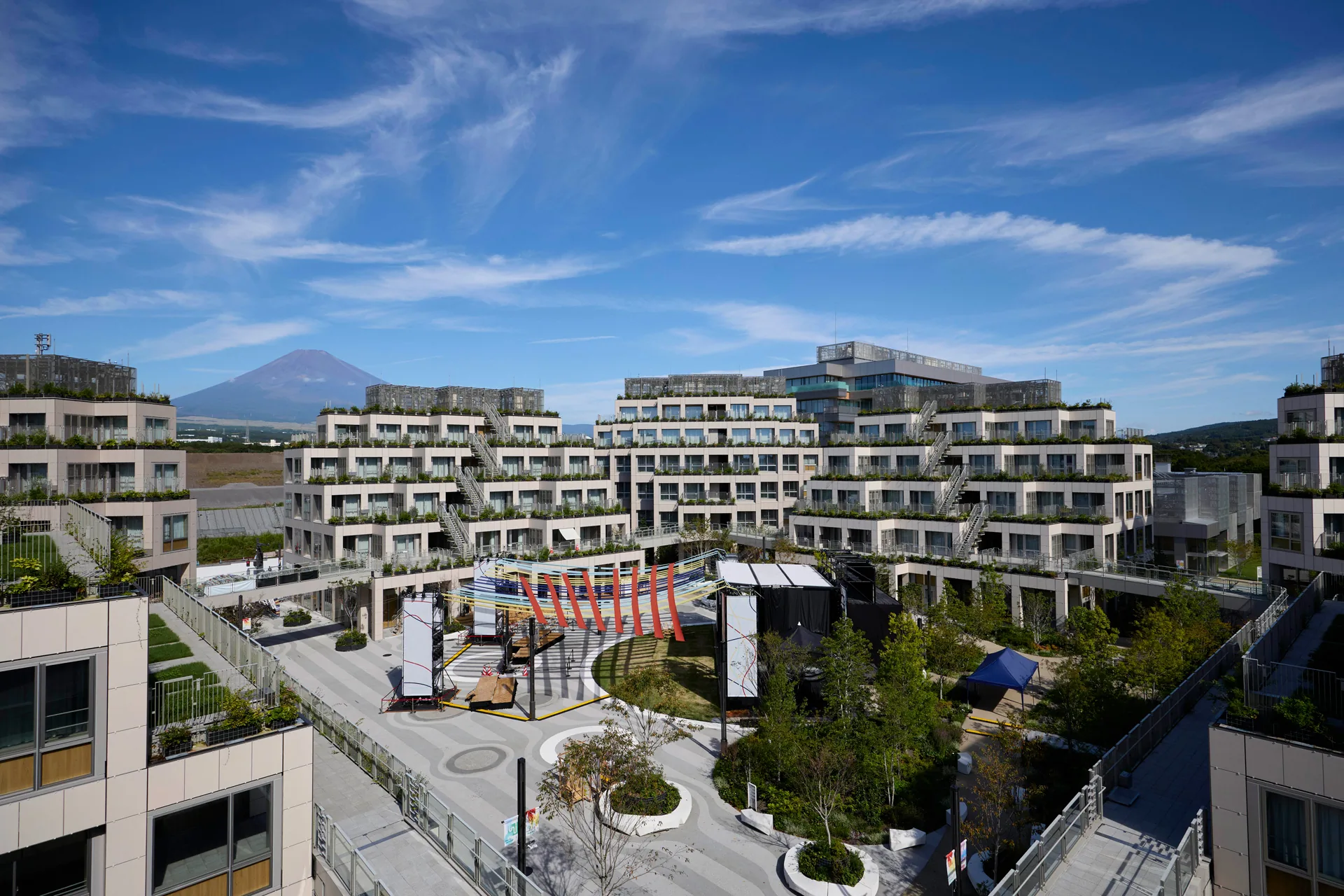
Related: Toyota’s mobility test city dubbed the ‘Woven City’ completes phase 1 construction
Woven City is designed around two participant groups: Inventors and Weavers.
Inventors include enterprises, startups, research institutions, and entrepreneurs who will test products and services in the city. Their work follows the Japanese concept of Kakezan (“multiplication”), where collaboration creates new innovations and societal value. Singer-songwriter Naoto Inti Raymi has joined as the first artist-inventor, focusing on sound-related projects. He composed the Woven City Anthem and audio logo, bringing the number of Inventors to 20.
To expand collaboration, Woven City launched its accelerator program on September 8 with the “Woven City Challenge: Hack the Mobility” competition. Applications are open to startups, entrepreneurs, universities, and research institutions worldwide until October 14, 2025.

Weavers are residents and visitors who will test and provide feedback on new services. Since September 2025, Toyota Group employees and their families have begun relocating to the city, with Phase 1 aiming to accommodate approximately 300 residents. General visitors are expected to be welcomed from the fiscal year 2026.
The launch was marked by the “Woven City Official Launch: Weaving the Future―Day 01” event, which brought together inventors, Weavers, and partners. At the event, Toyota Chairman and Woven City “Master Weaver” Akio Toyoda emphasized collaboration:
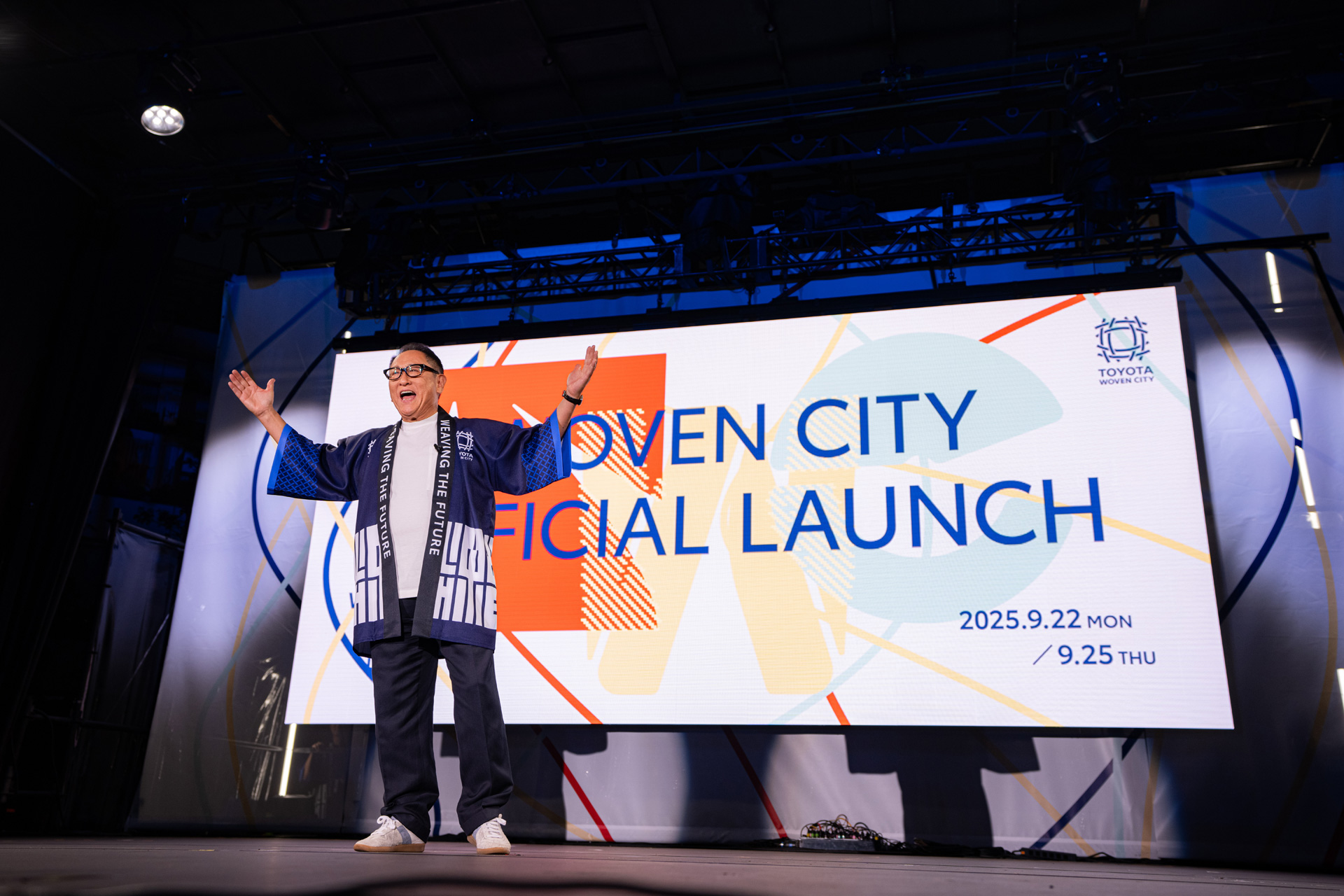
“What we will spark here at Woven City is Kakezan. No single company can create meaningful Kakezan on its own; it takes at least two.”
Three-type road system: pedestrian-only, shared pedestrian/personal mobility, and vehicle-only roads.
Underground road network: allows testing unaffected by weather conditions.
Coordinated traffic signals: integrating people, vehicles, and infrastructure for safety.
Multifunctional poles: streetlights that also serve as traffic signals and hosts for sensors/cameras.
Daikin Industries – testing “pollen-less spaces” and personalized environments.
DyDo DRINCO – developing innovative vending machine concepts.
NISSIN Foods – creating new food cultures.
UCC Japan – studying coffee’s effect on creativity and productivity.
Zoshinkai Holdings – testing new educational methods.
Interstellar Technologies – developing rocket production systems.
Kyoritsu Seiyaku – enhancing human-pet coexistence.
Naoto Inti Raymi – soundscape development.
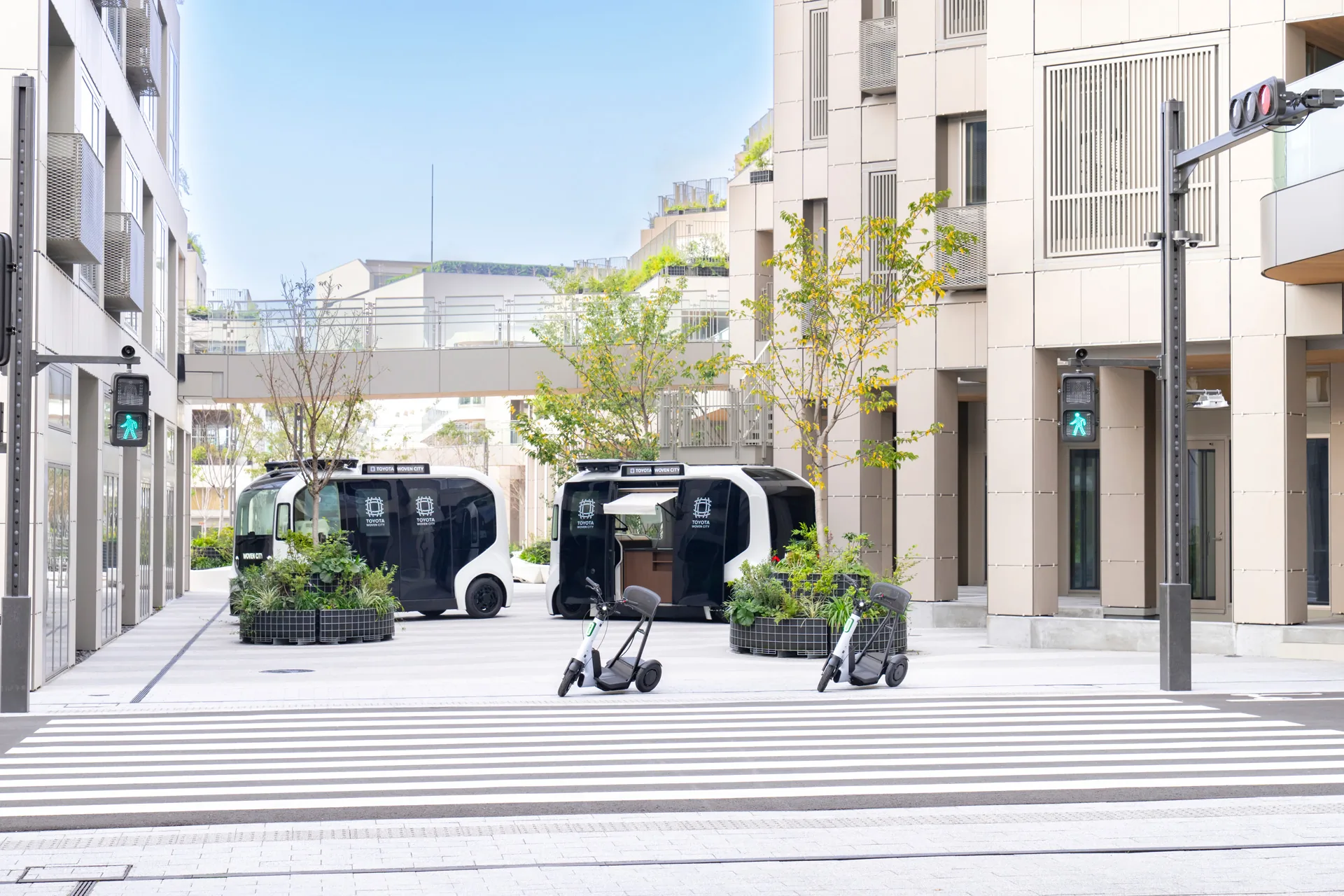
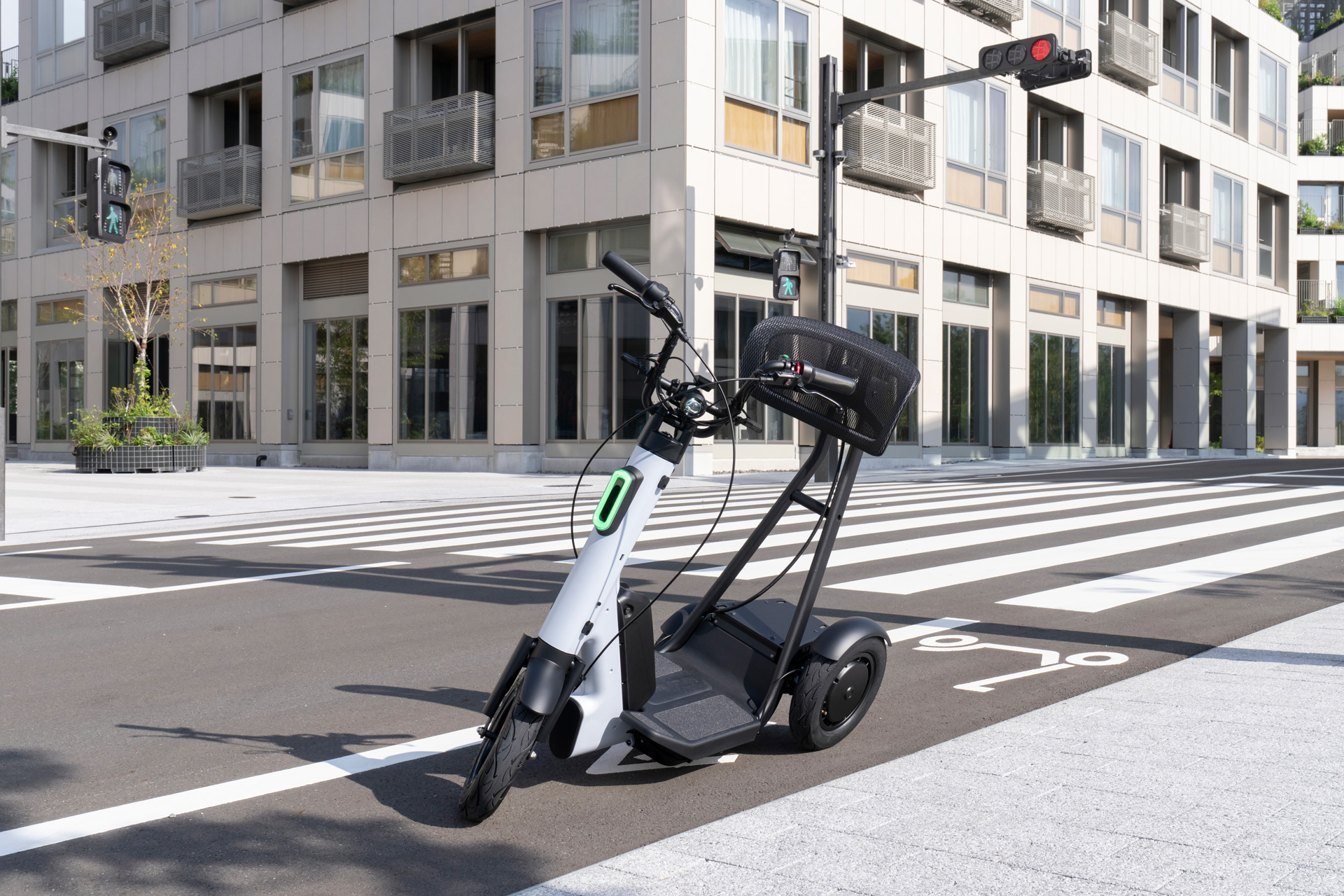
Toyota – deploying the e-Palette mobility platform, personal mobility EVs, and Summon Share autonomous services.
Woven by Toyota – creating a smart logistics system for goods movement and daily-life support.
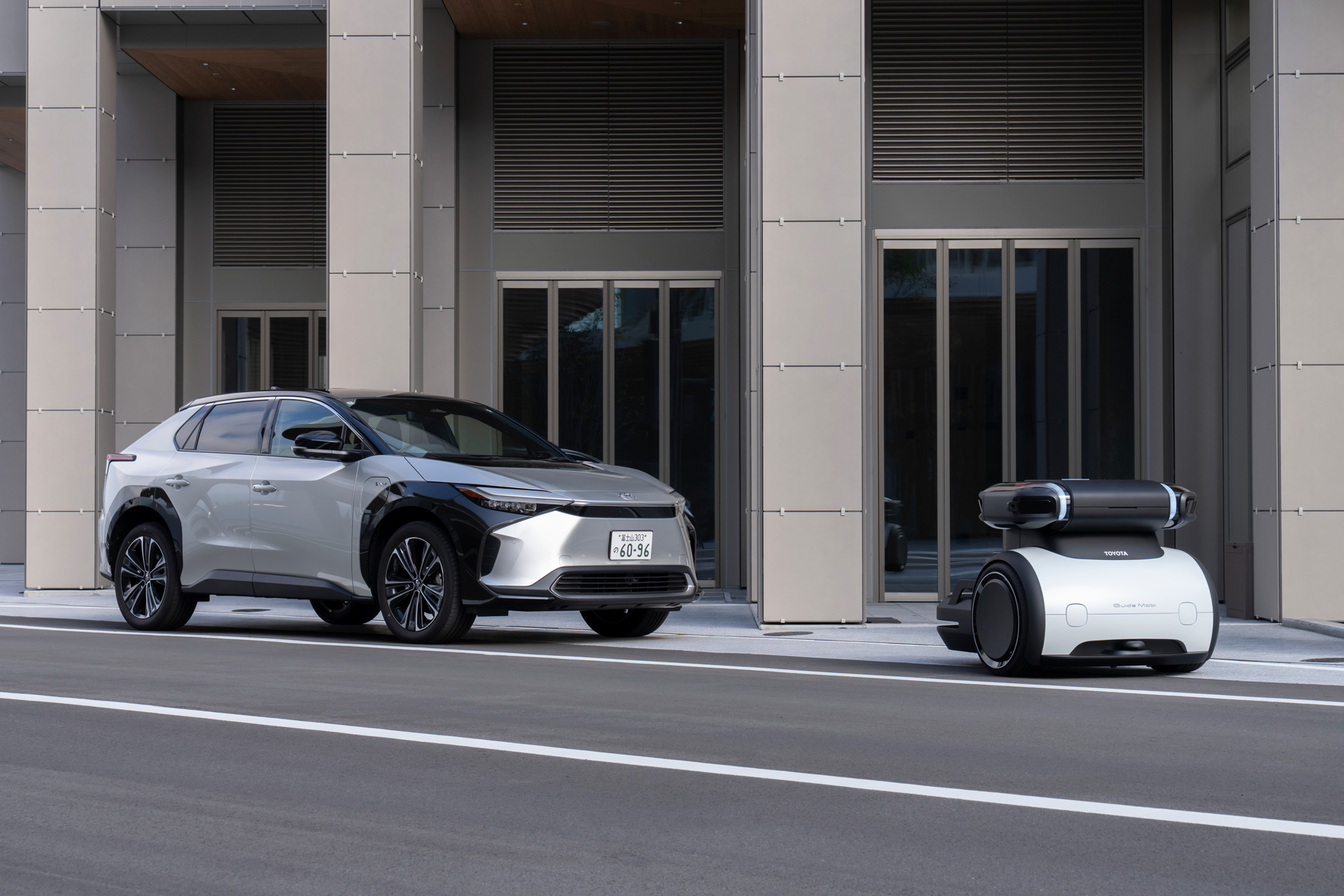

Woven City represents a significant step in Toyota’s transition from being an automaker to a mobility company, with the goal of developing technologies and services that can be applied both within and beyond the city.

0 Comments
Leave a Reply