
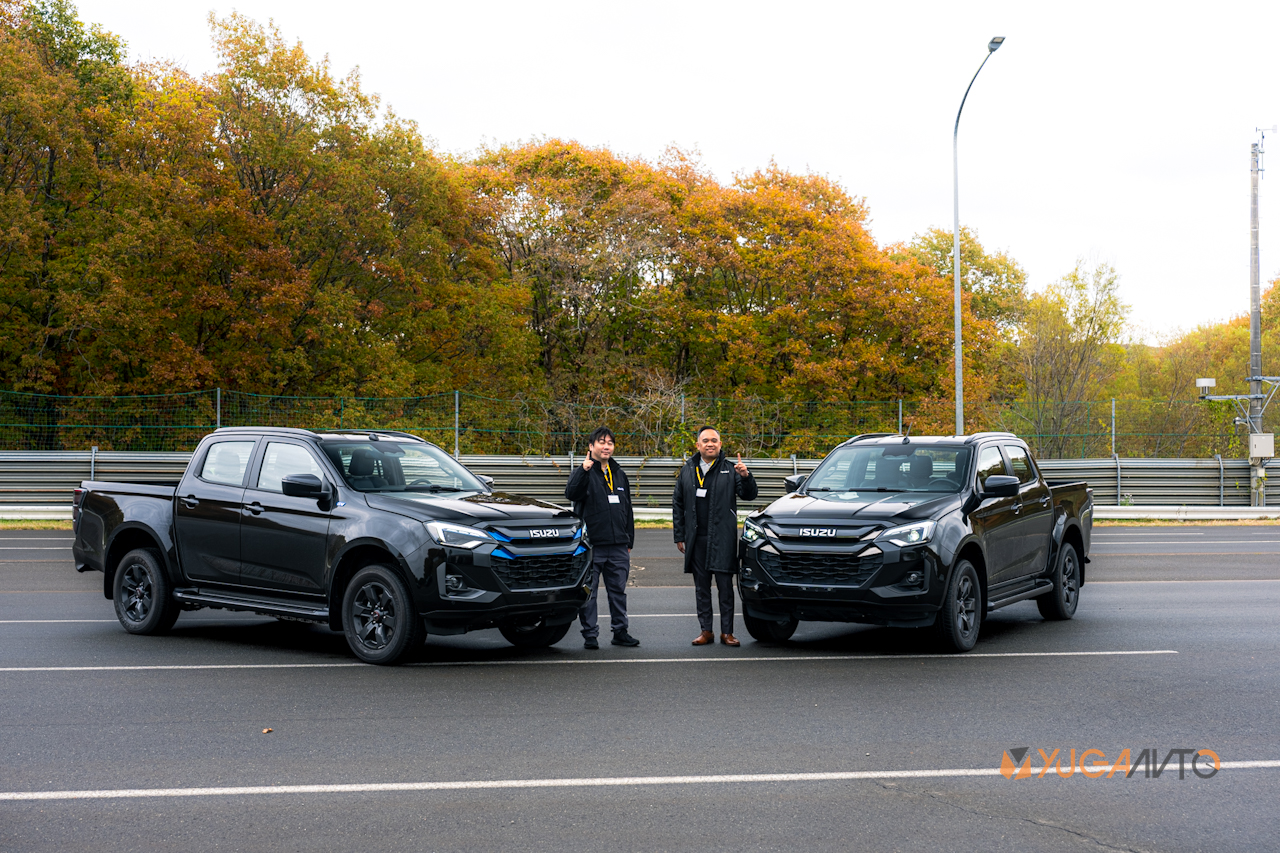
Isuzu has always been at the top of mind when it comes to diesel powertrains. How could they not? They account for a large share of commercial vehicles on the road. As for their passenger vehicles, the brand has made history with its reliable and dependable diesel powertrains, from the Crosswind, Alterra, D-MAX, and the Mu-X. So when Isuzu Philippines contacted me to have a go at the D-MAX EV, we were a little bit skeptical.
Related: What to expect at the Isuzu and UD trucks exhibit at Japan Mobility Show 2025
Isuzu Philippines Corporation (IPC) took us to the Isuzu Hokkaido Proving Ground (IHPG) in Japan for an exclusive first drive of the all-new Isuzu D-MAX EV which is the brand’s first-ever fully electric pickup. For a company long known for its diesel technology, reliability, and dependability, moving into the EV space marks a major step forward in its evolution toward sustainable mobility, and perhaps a breakthrough for their future models in both commercial and passenger vehicle segment.
The test course:

The Isuzu Proving Grounds in Hokkaido is enormous. It comprises of multiple segments that can test out nearly all aspects of the vehicle. As for us, well, Isuzu brought us to their “Straight Line Circuit,” a 4.4 km test course designed for acceleration and deceleration testing.
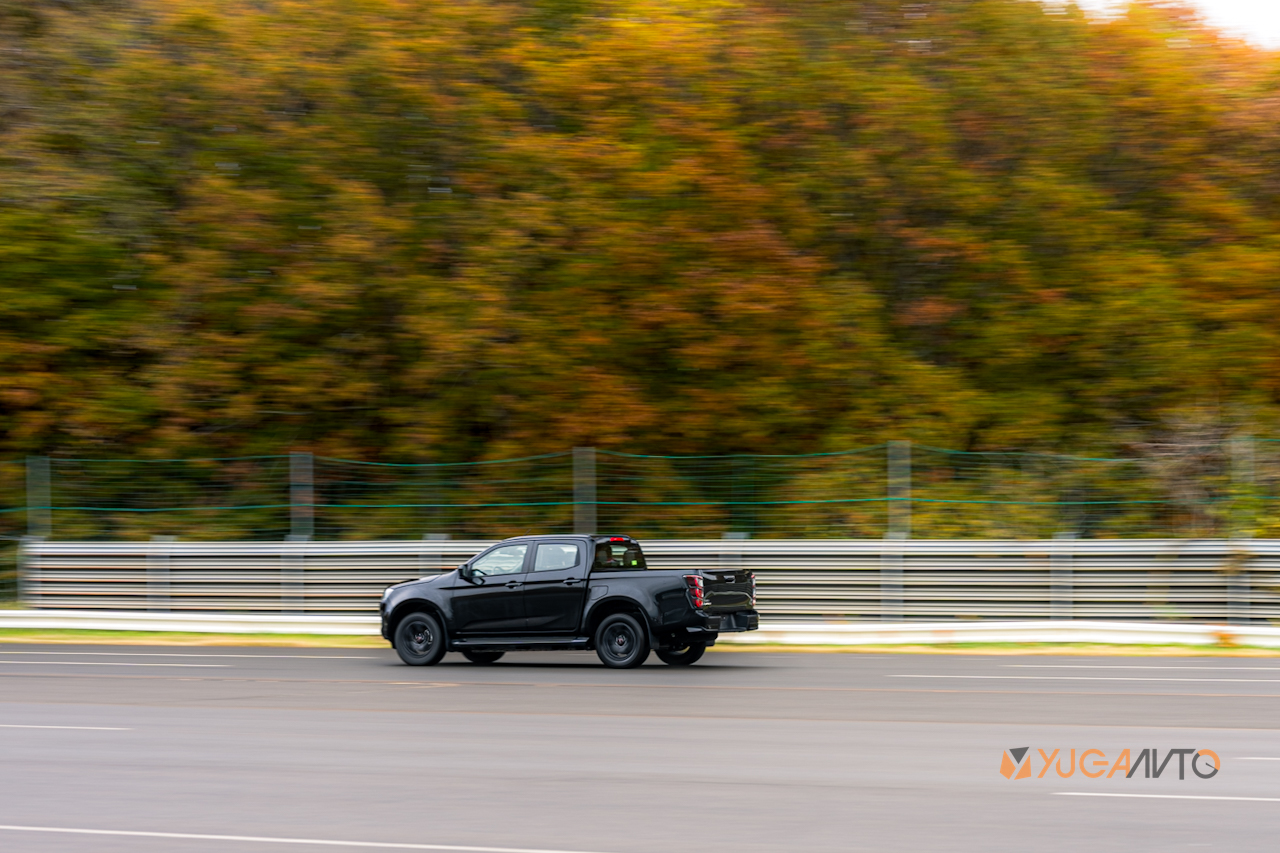
The circuit consists of two main straights with steeply banked hairpins on each side. When we mean steeply banked, we really mean it, the bends have near 30-degree angles, so to know where you are going means you have to look up at all times.

It’s still an Isuzu, and definitely still a D-MAX:

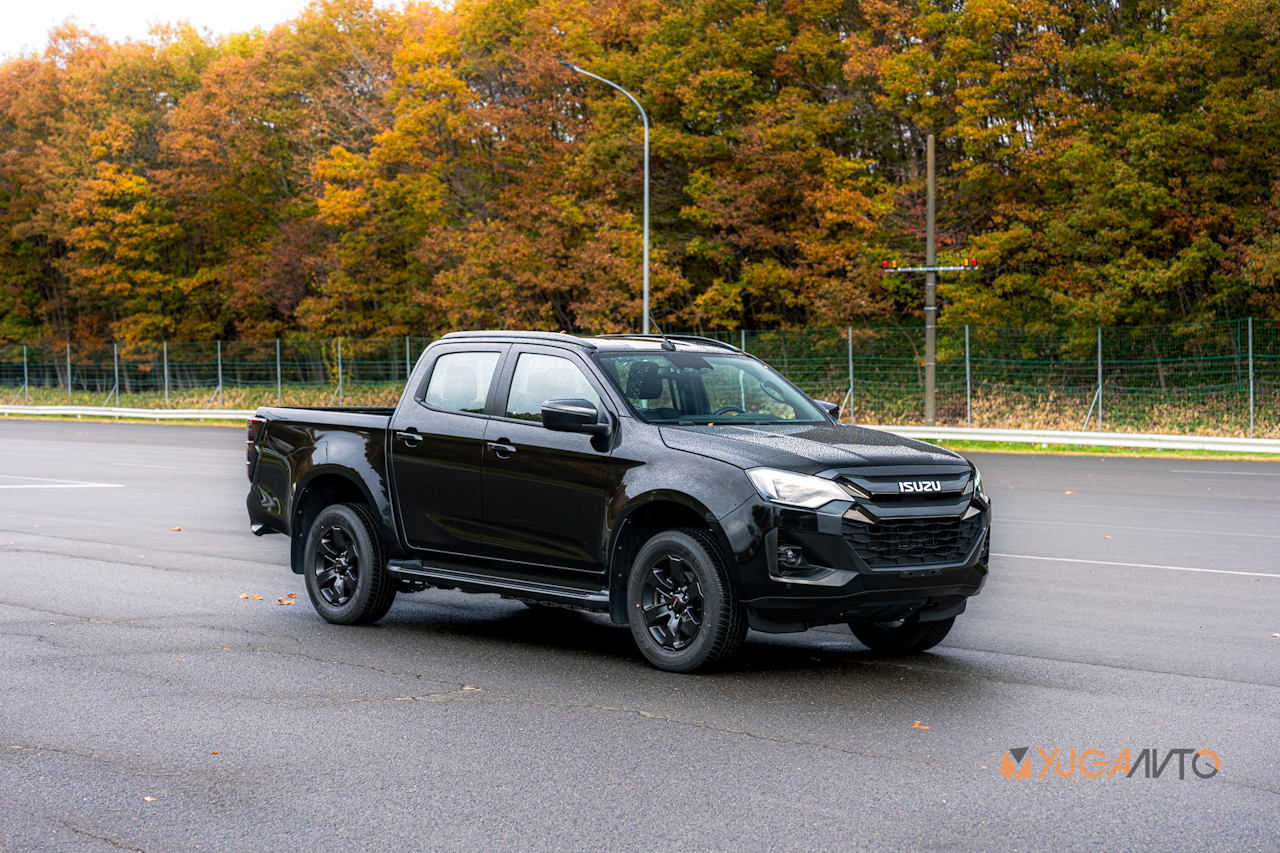
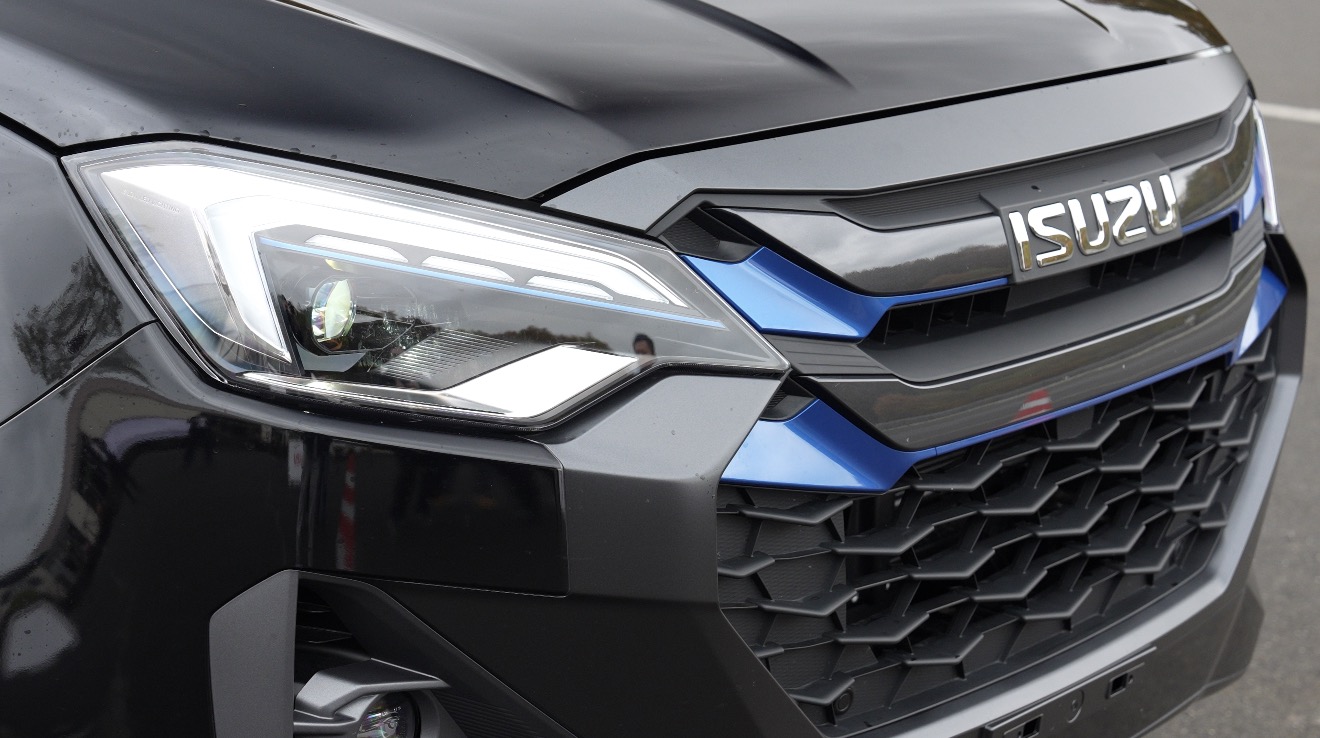
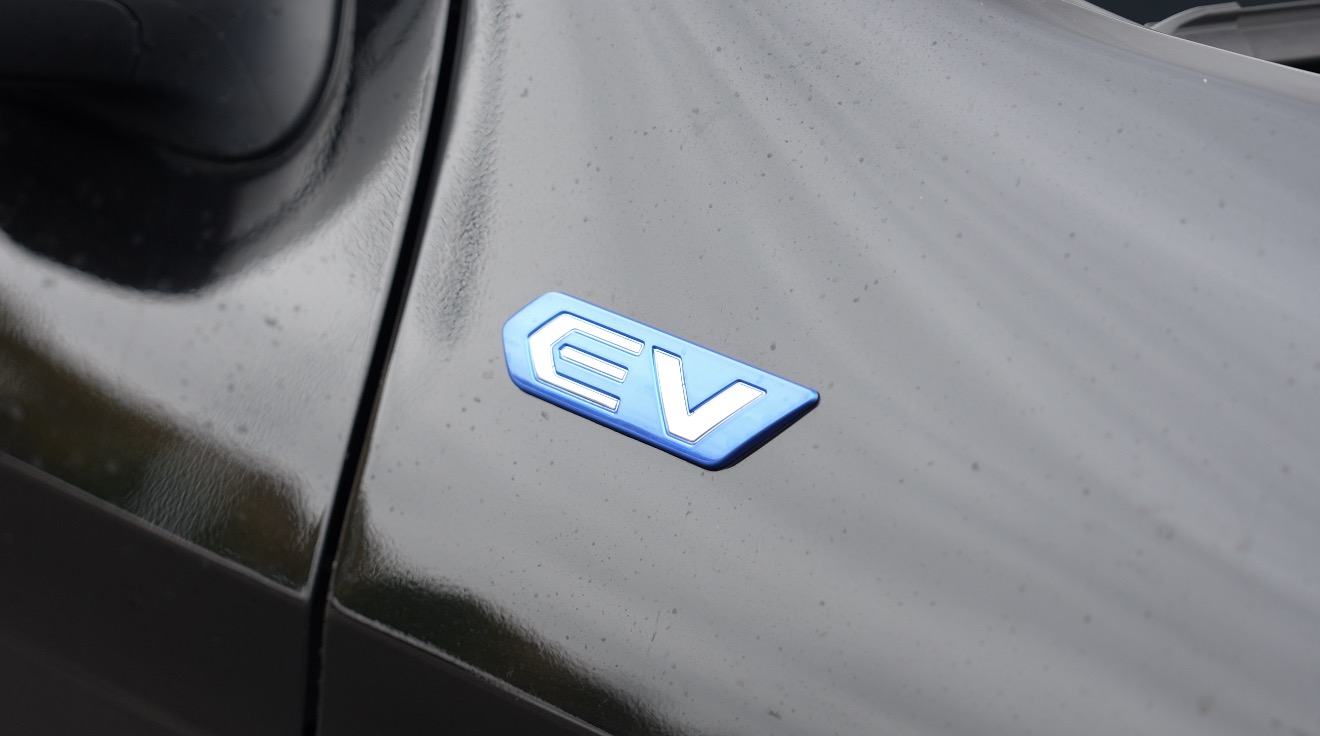
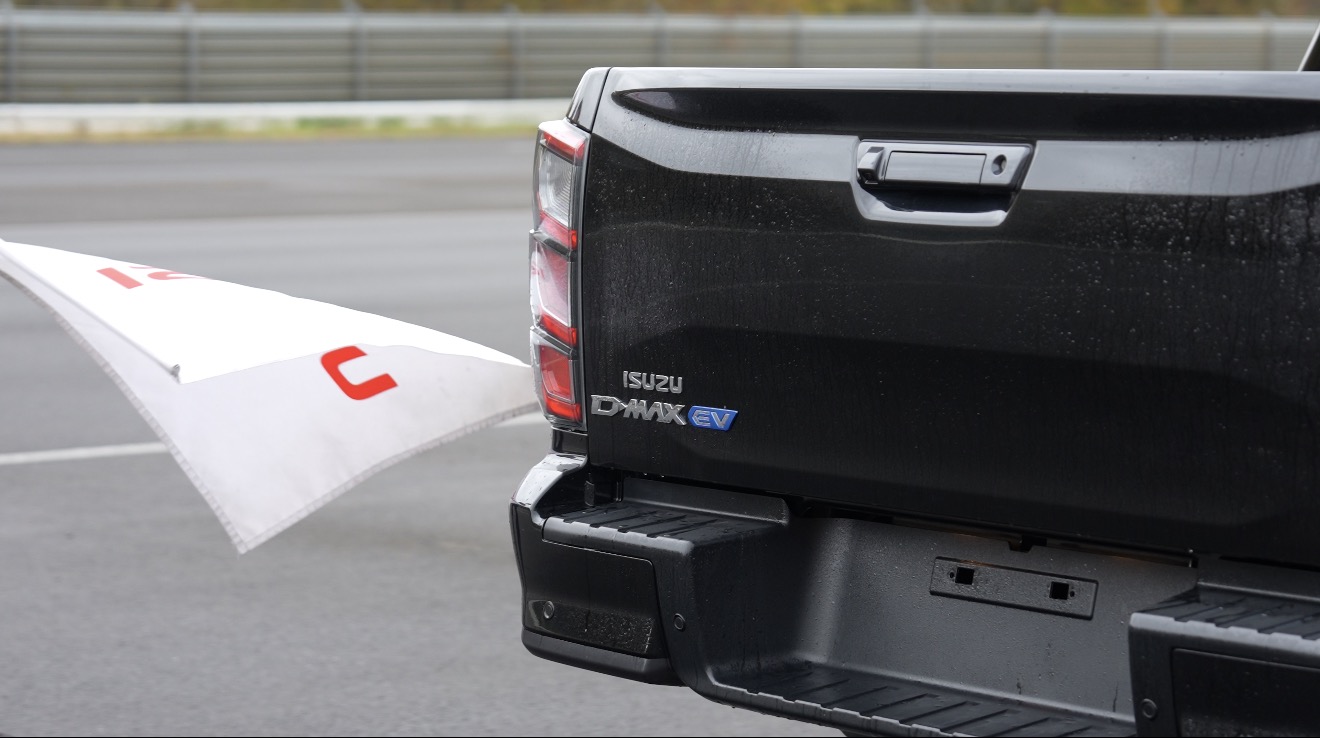
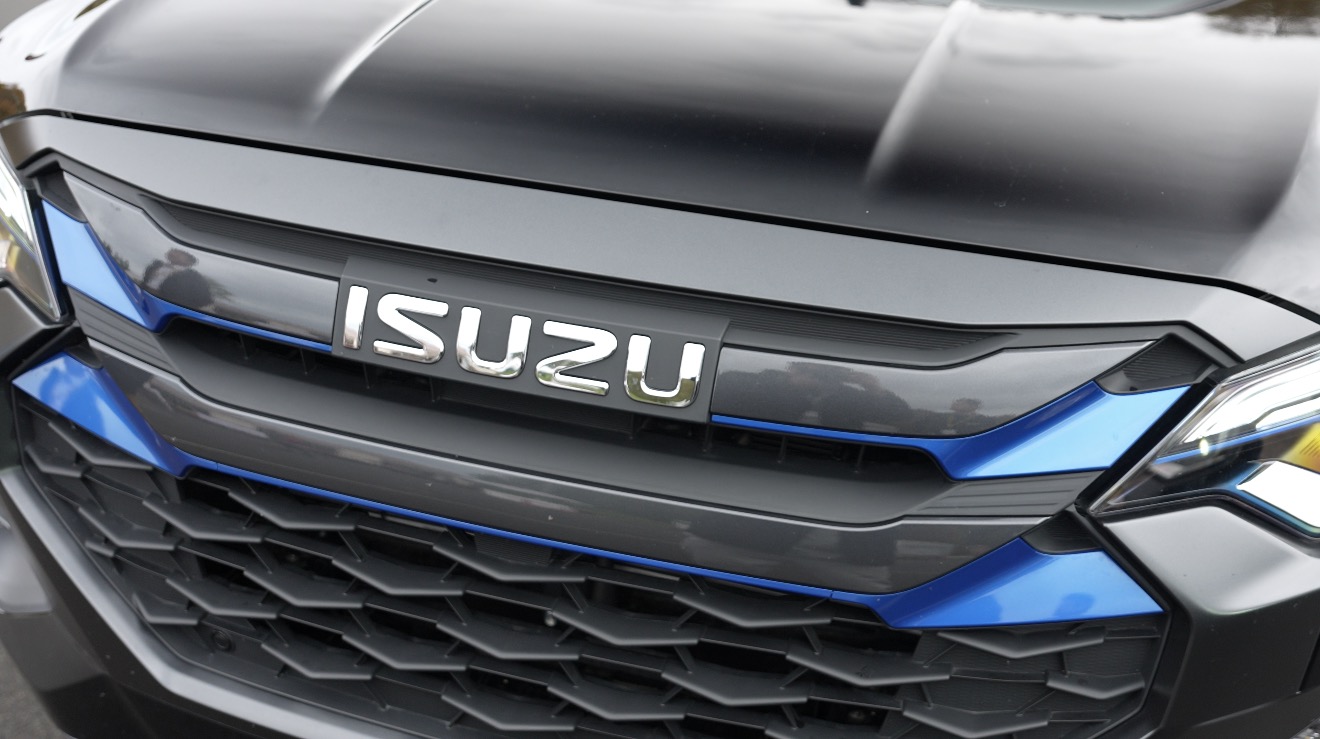
Fully electric yet unmistakably Isuzu, the exterior is plain Jane, and no, I don’t mean that negatively. I mean it in a way that the only telltale signs of this being a D-MAX EV are the electric blue accents found predominantly on the grille, along with fender EV badges and a D-MAX EV badge on the rear. The wheels are the same design as on the Diesel-powered D-MAX, and unlike other electric vehicles, this one does not have EV-specific tires, which we are guessing is better for long-term maintenance costs.
Inside, it’s still standard fare, with no differences in the interior whatsoever as compared to your Diesel D-MAX. It even has a manually-operated handbrake. The only two minor differences that tell you that you are indeed inside the D-MAX EV are a slight change in the tachometer to tell the percentage of power used and paddle shifters that help you control various levels of your regenerative braking.
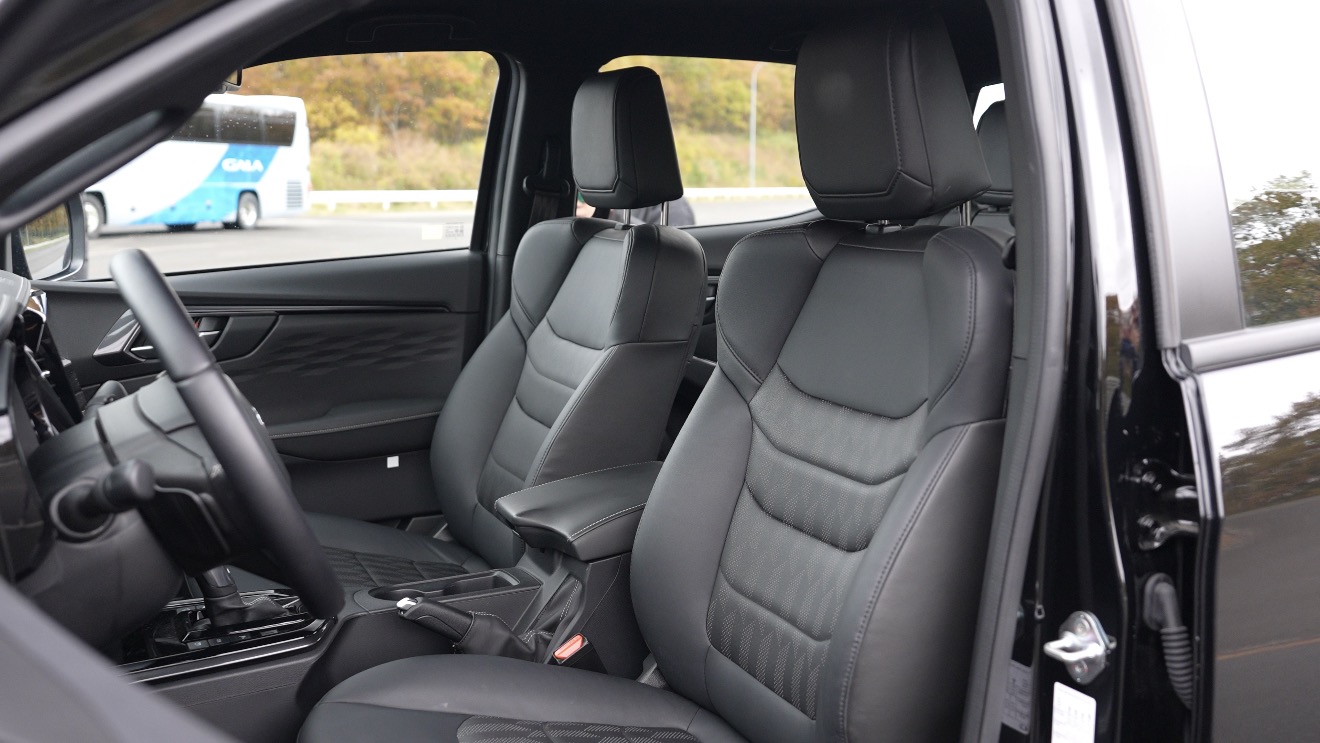
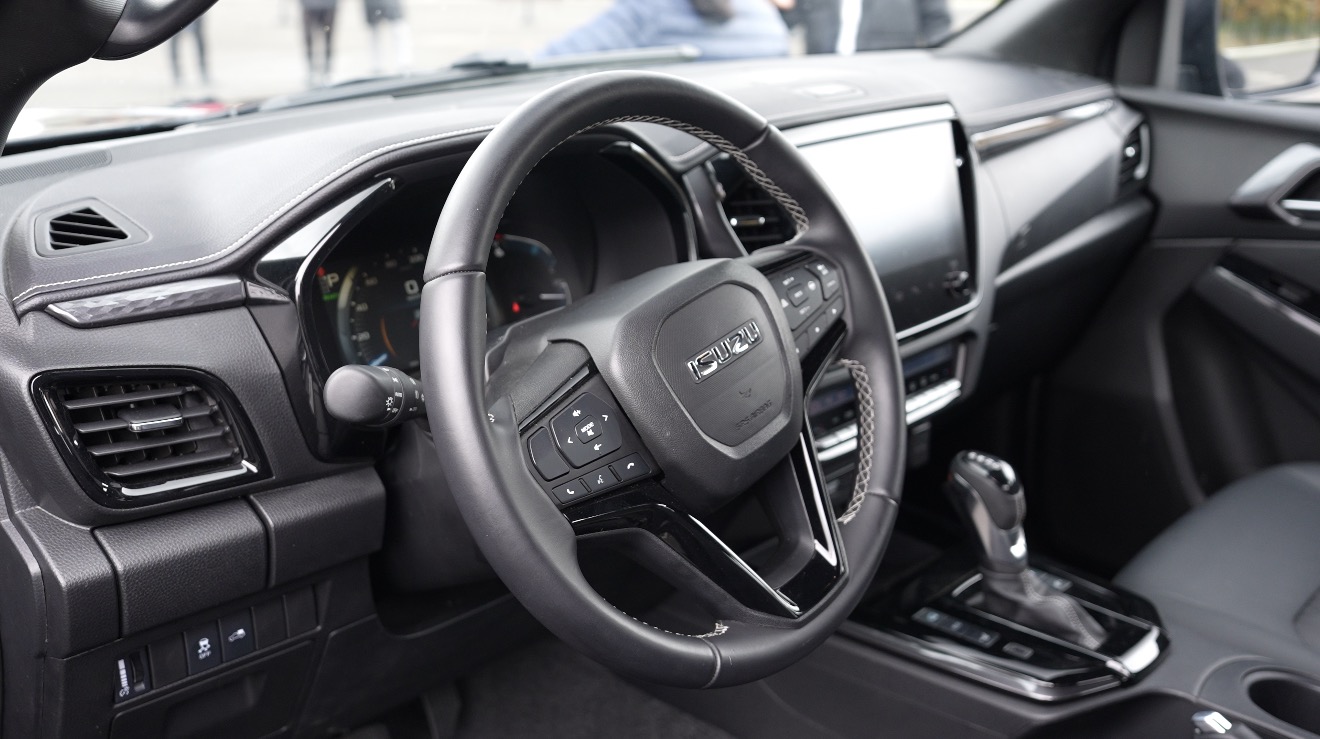
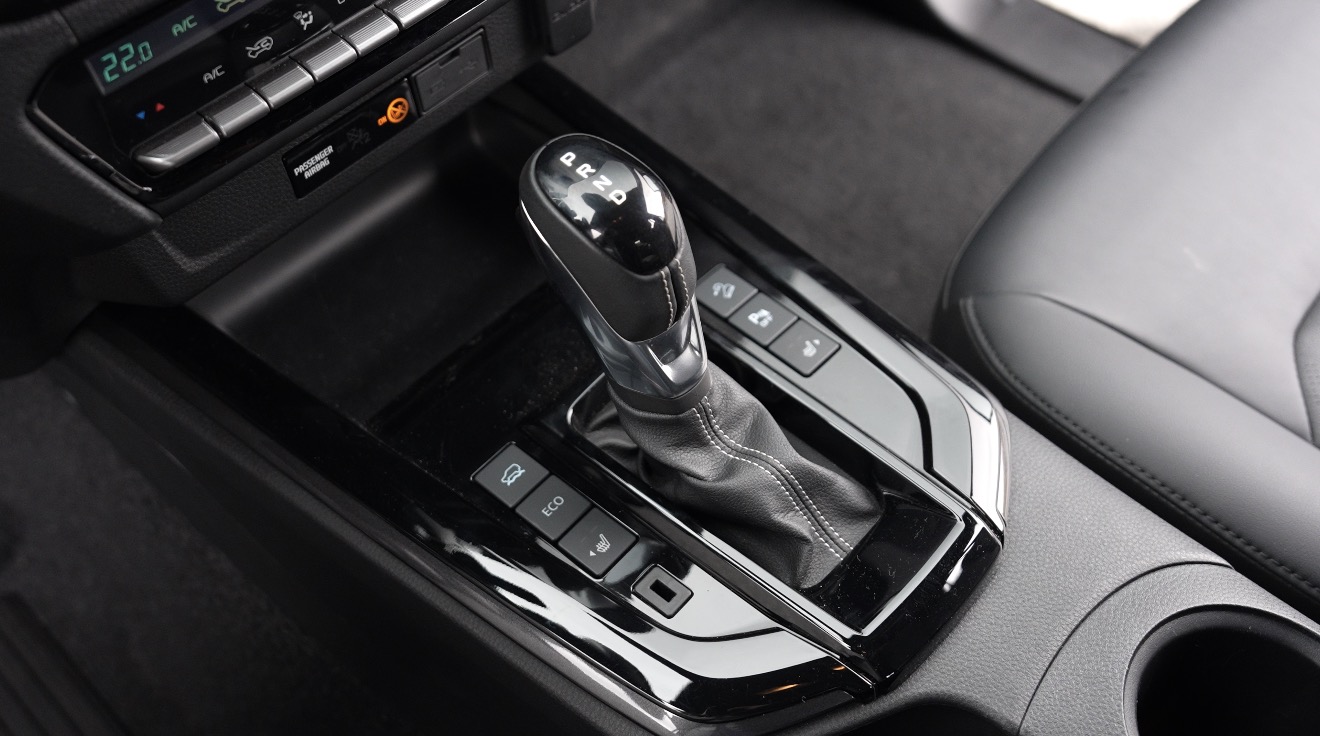
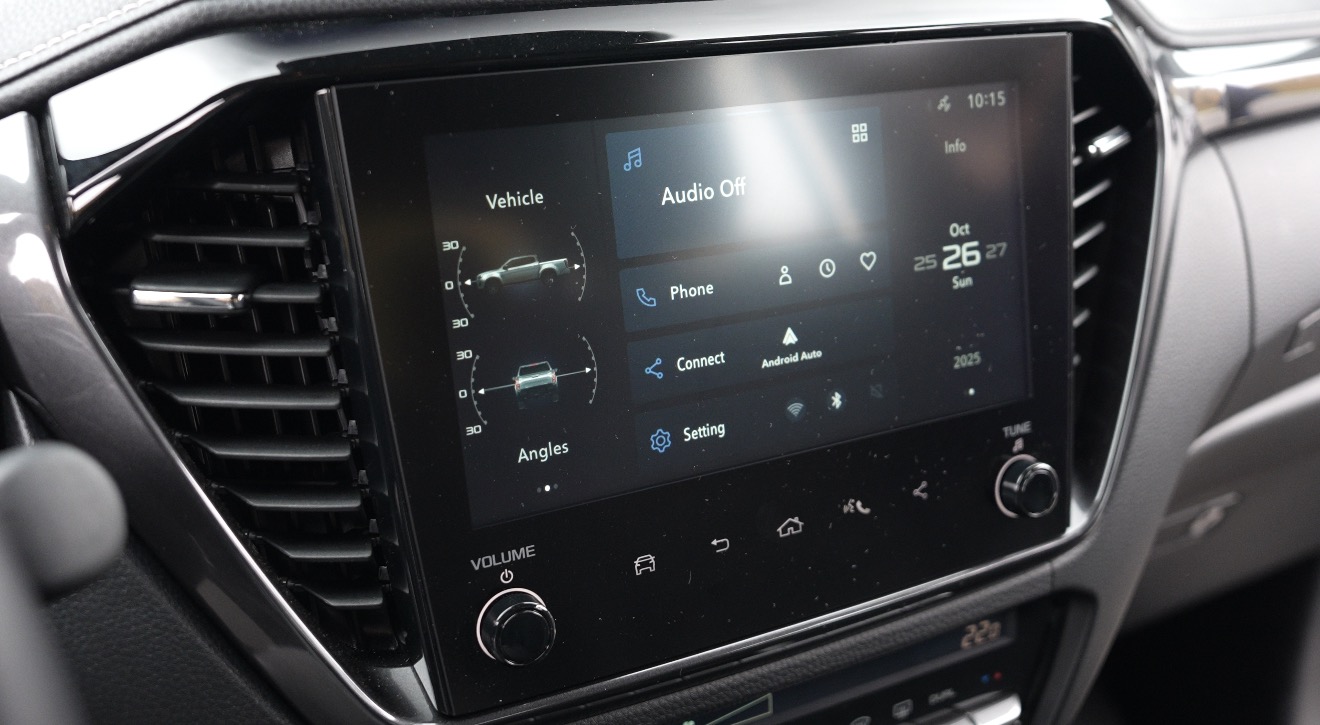
All that said, the Isuzu D-MAX EV is not an entirely new platform, and it is still the same as the diesel-powered D-MAX you can buy, with the only significant change being the powertrain.
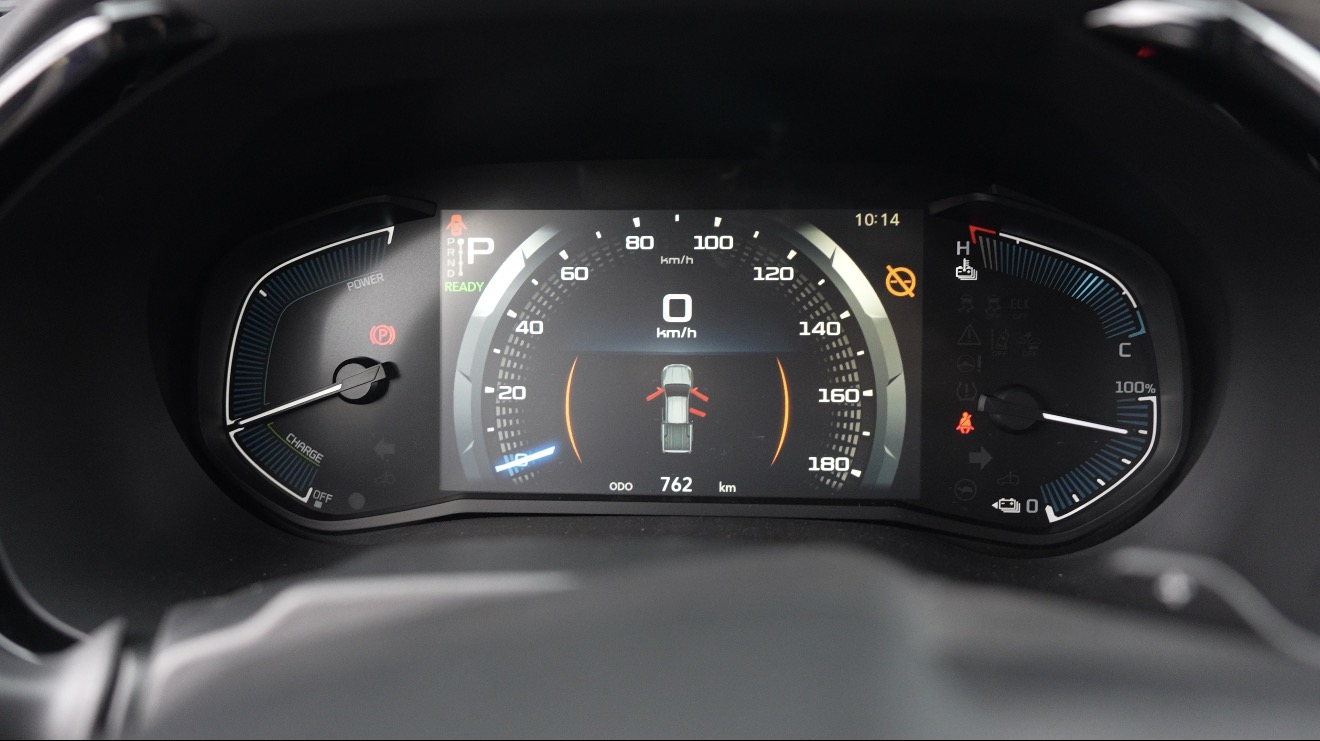
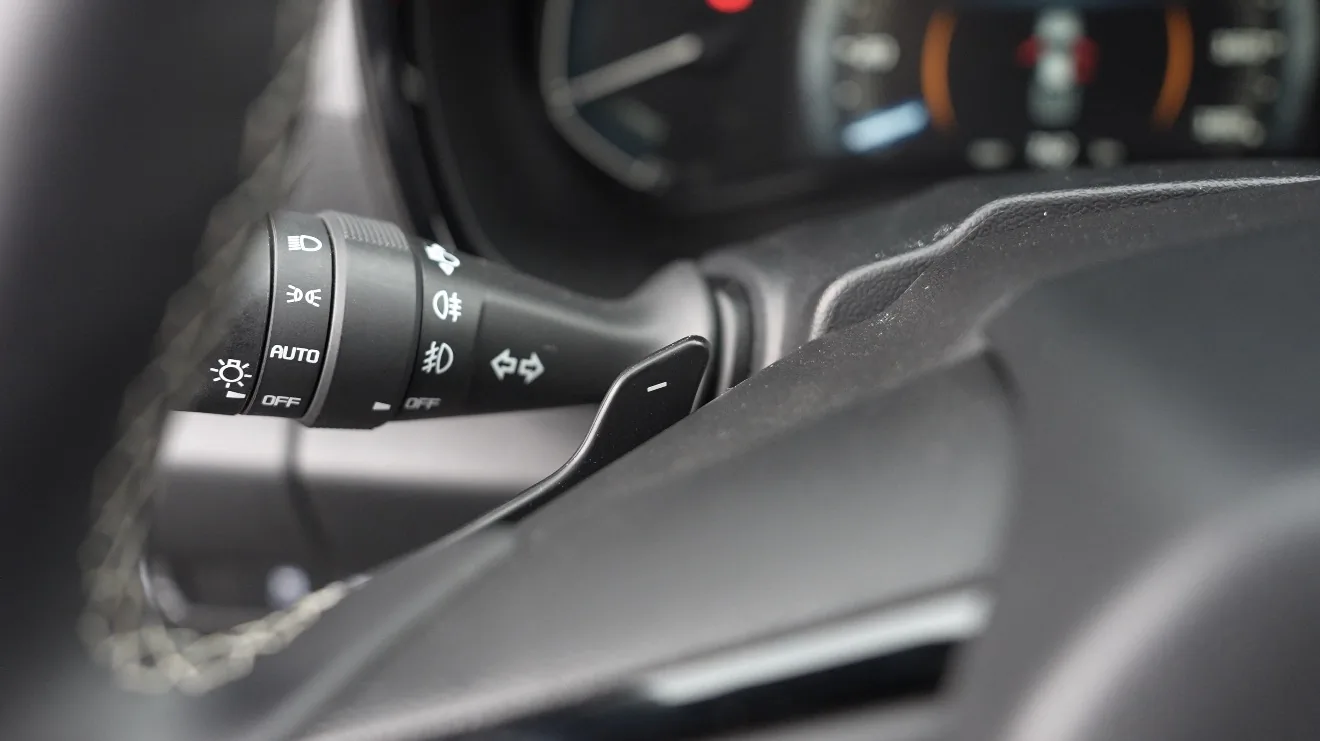
Driving and Performance: I feel like I should hear a diesel, but it’s eerily quiet:
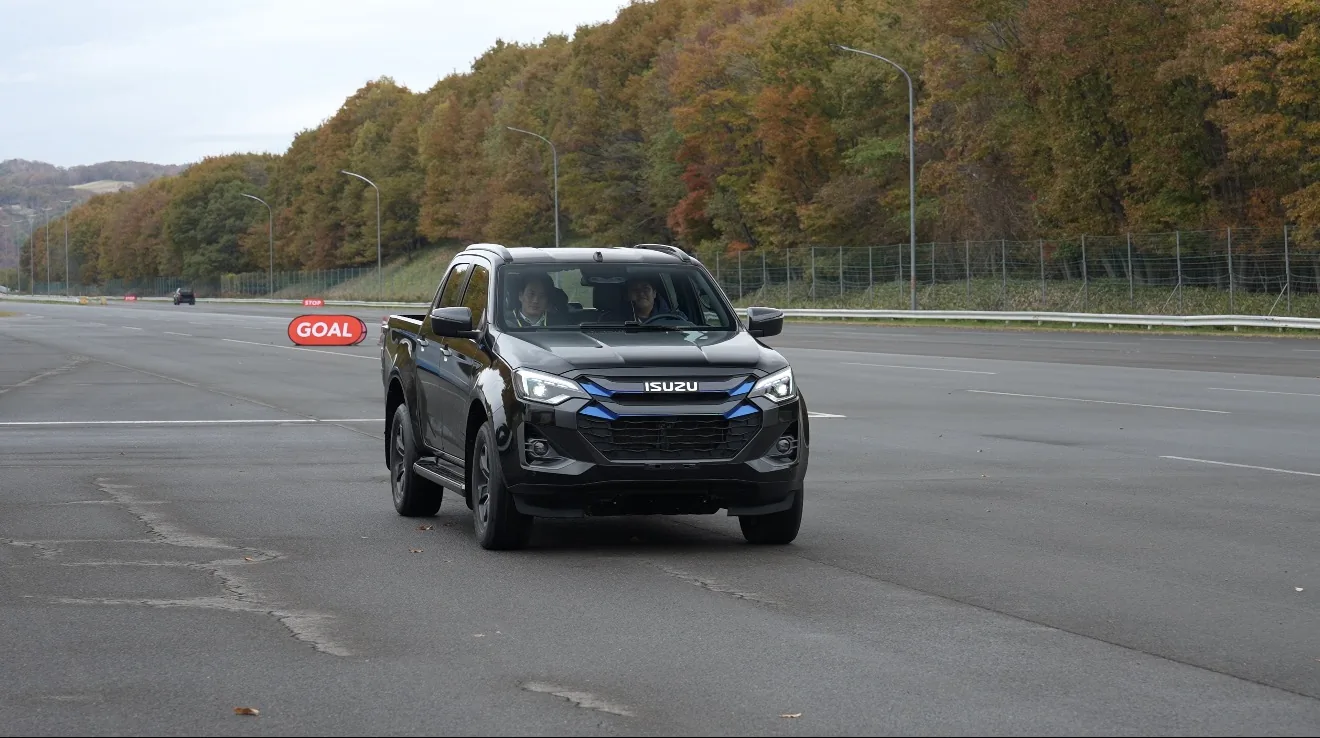
As mentioned, everything is indeed familiar D-MAX, so of course, the moment I went inside, I was expecting some sort of diesel chatter, and then I realized that I was indeed inside the D-MAX EV. Everything is serene, quiet, and peaceful, which is expected of an EV, but unexpected for a D-MAX. I felt like my mind was playing games with me.
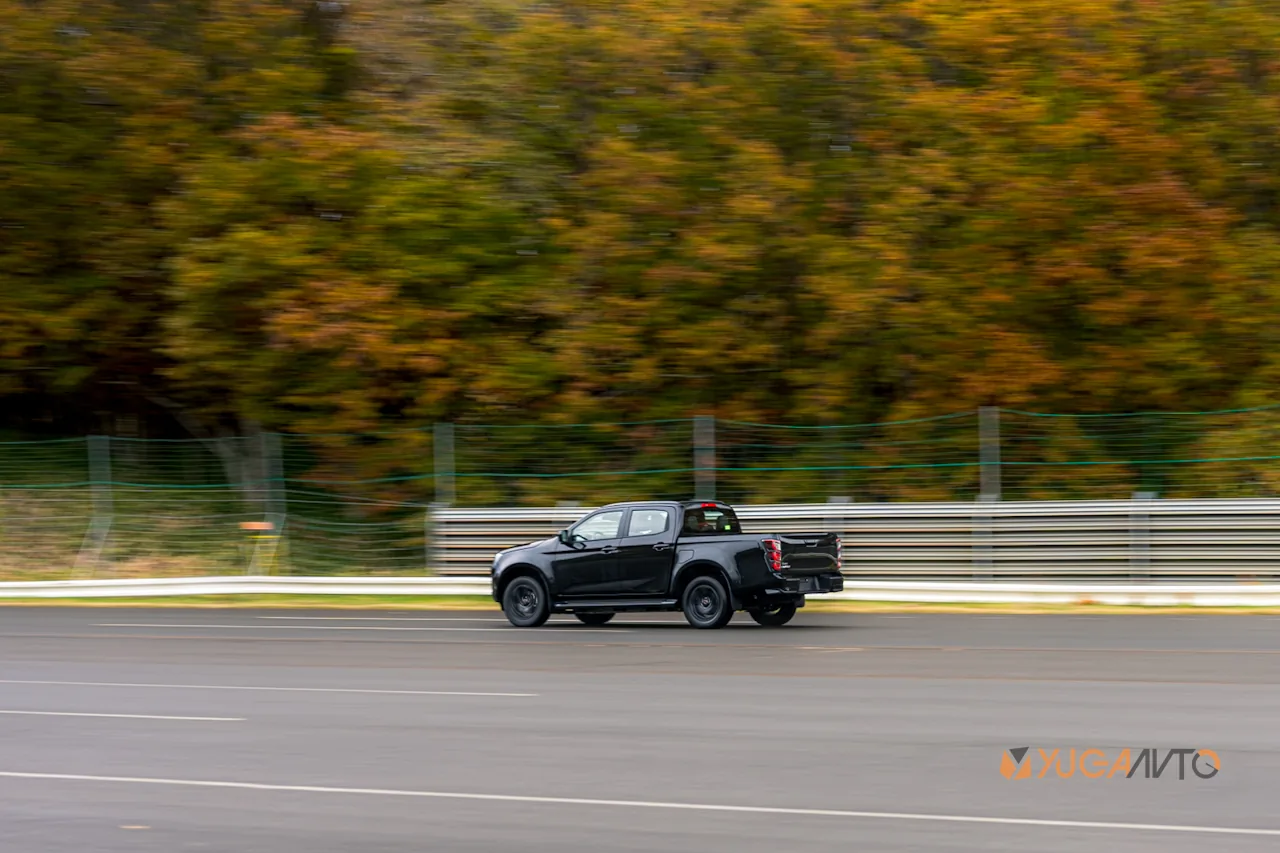
Torque is instantaneous thanks to its electric powertrain, and the D-MAX EV impressed with its constant power, quiet operation, and confidence-inspiring stability from its full-time 4×4 dual-motor system. It felt planted even through the steep banked hairpins of the course, which I suspect is thanks to the 66.9 kWh lithium-ion battery mounted underneath.
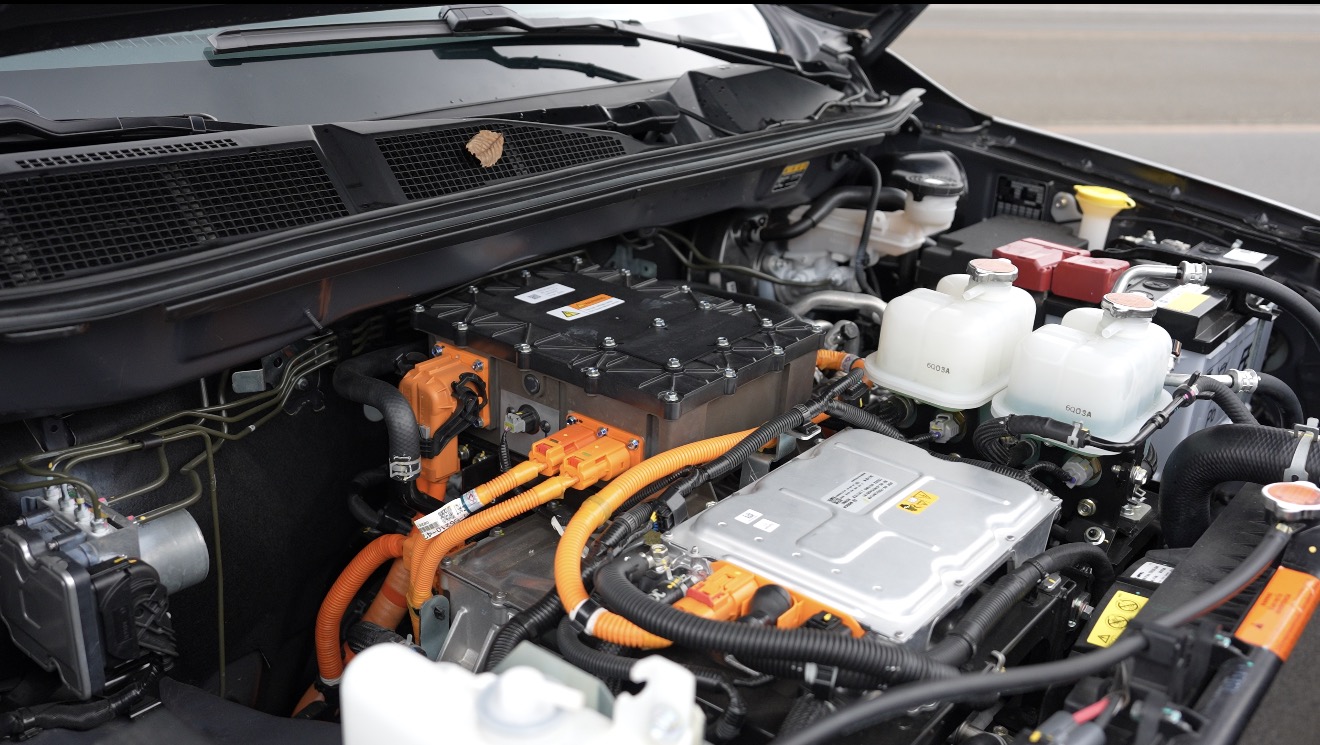
As far as speed and power goes, it definitely feels like the figures Isuzu has given us are severely understated. Isuzu states that the D-MAX EV has 130 kW (174 hp) and 325 Nm of torque. 40 kW motor up front and a 90 kW motor at the rear, which help give it a zero to 100 km/h time of 10.1 seconds. However, it definitely feels quicker than that, and is definitely quicker than the diesel-fed D-MAX.
Brake regeneration can be controlled using the paddle shifters and works seamlessly. Theoretically, at low speeds, one-pedal driving could be possible with some attention, but I do hope Isuzu changes the orientation as to how the regenerative braking is activated through the paddles, as pressing + adds regen while – lowers it. Should it have been the other way around, it would feel much more natural, as if you were downshifting the vehicle.
Where the D-MAX EV falls short is its top speed. It is governed at only 130 km/h, but during our testing, we were able to exceed 140 km/h. Another understated figure? However, it is indeed relatively low, as the diesel-powered D-MAX and other rival mid-size pick-ups can go above 150. Nevertheless, exceeding 100 km/h in the Philippines is equivalent to breaking the law. For a majority of use cases, minus the Autobahn, the top speed is more than enough.
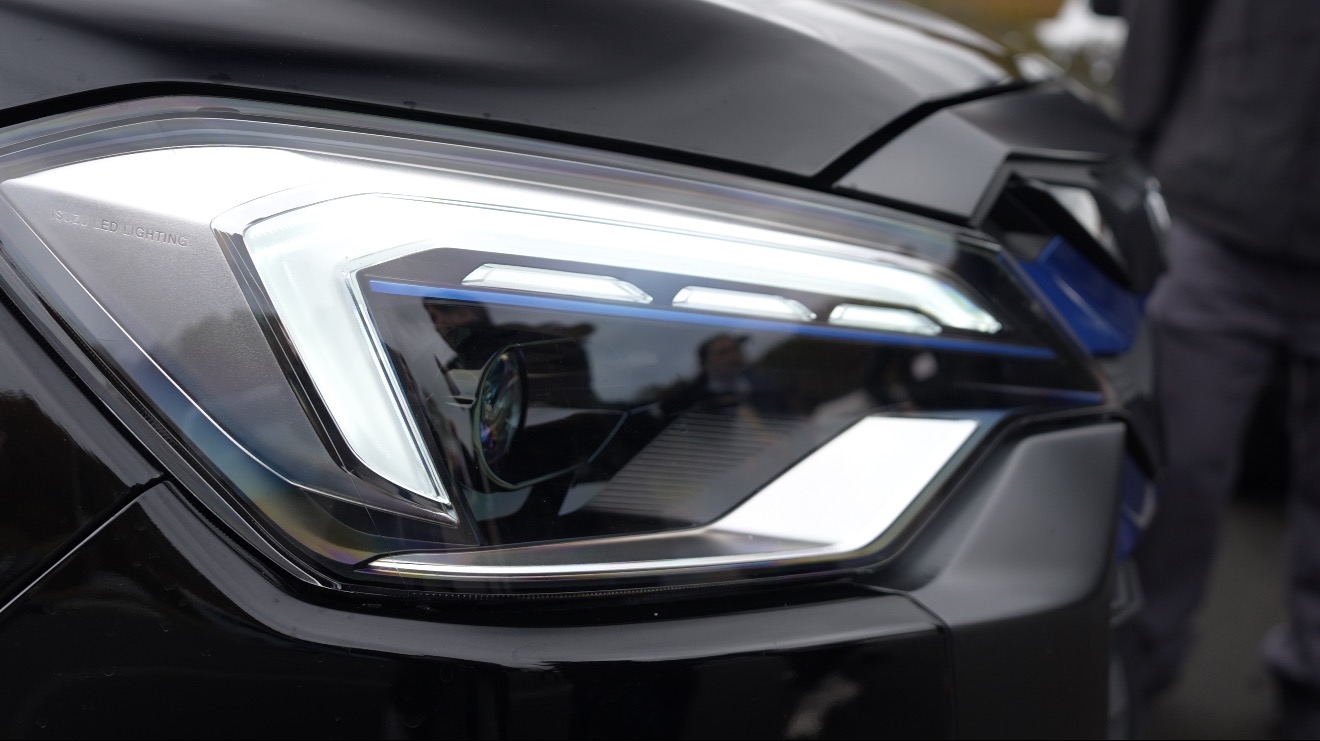
Isuzu claims a range of 263 km (WLTC), which is indeed relatively low compared to the majority of EVs available in the market. That could go even lower once you use its 1000 kg payload capacity and 3.5 ton towing capacity, but hopefully, the range is another understated figure. On the bright side, the D-MAX EV uses Type 2 (AC) and CCS2 (DC) fast charging, which can help quickly charge the vehicle when you are out on the road.
While we were not able to the D-MAX EV off the beaten path, off-road enthusiasts will be happy to note that the D-MAX EV still has some off-road mettle with 30.5° approach and 24.2° departure angles. With 210 mm of ground clearance and a 600 mm wading depth, it remains capable even in rugged conditions. Differential lockers aren’t necessarily needed, as the electric motors can spin the wheels independently of each other, it’s just a matter if the electric motors themselves can give enough power.
What now?
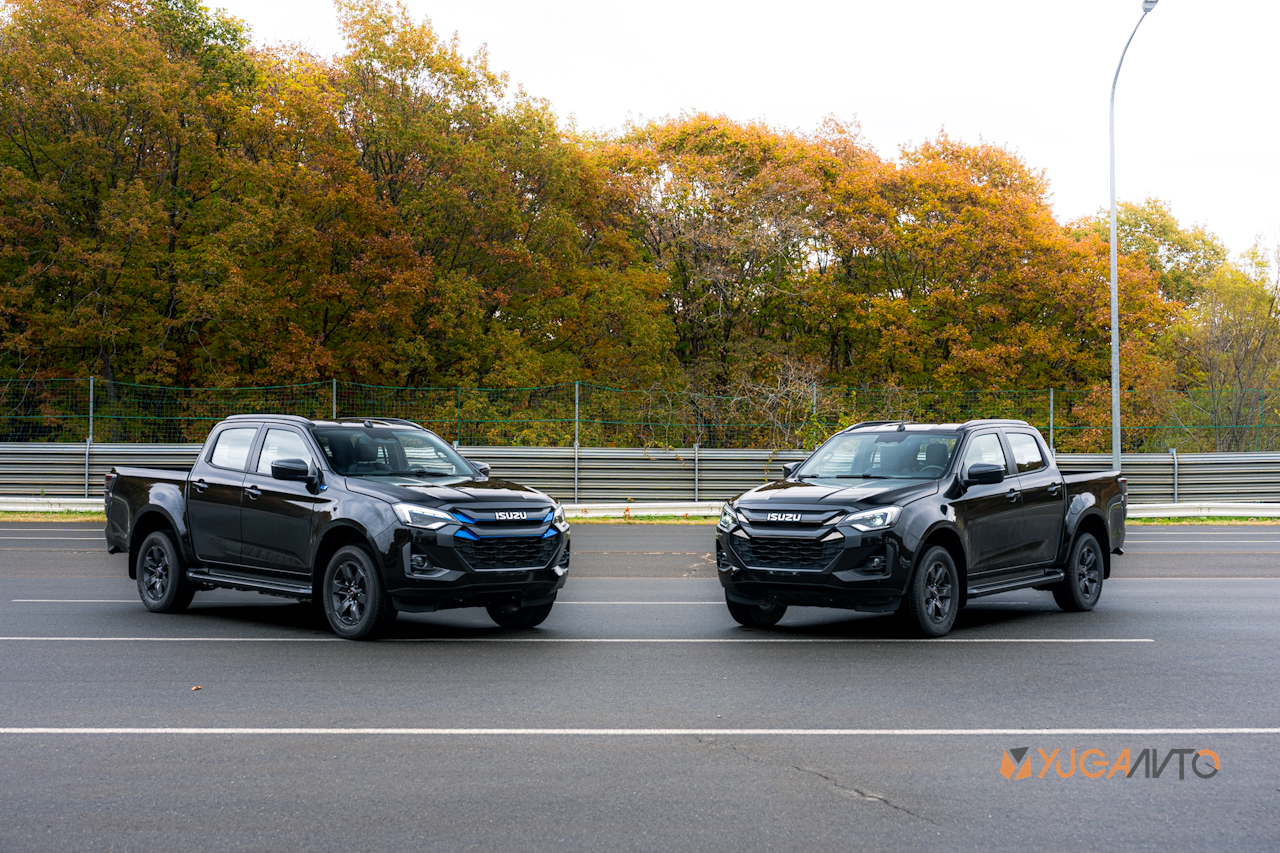
All in all, though, the powertrain left me impressed, and proves Isuzu can make effective EVs for both commercial and passenger vehicle applications. The only question now is, when will the D-MAX EV make it to the Philippines? Only time will tell.



0 Comments
Leave a Reply