
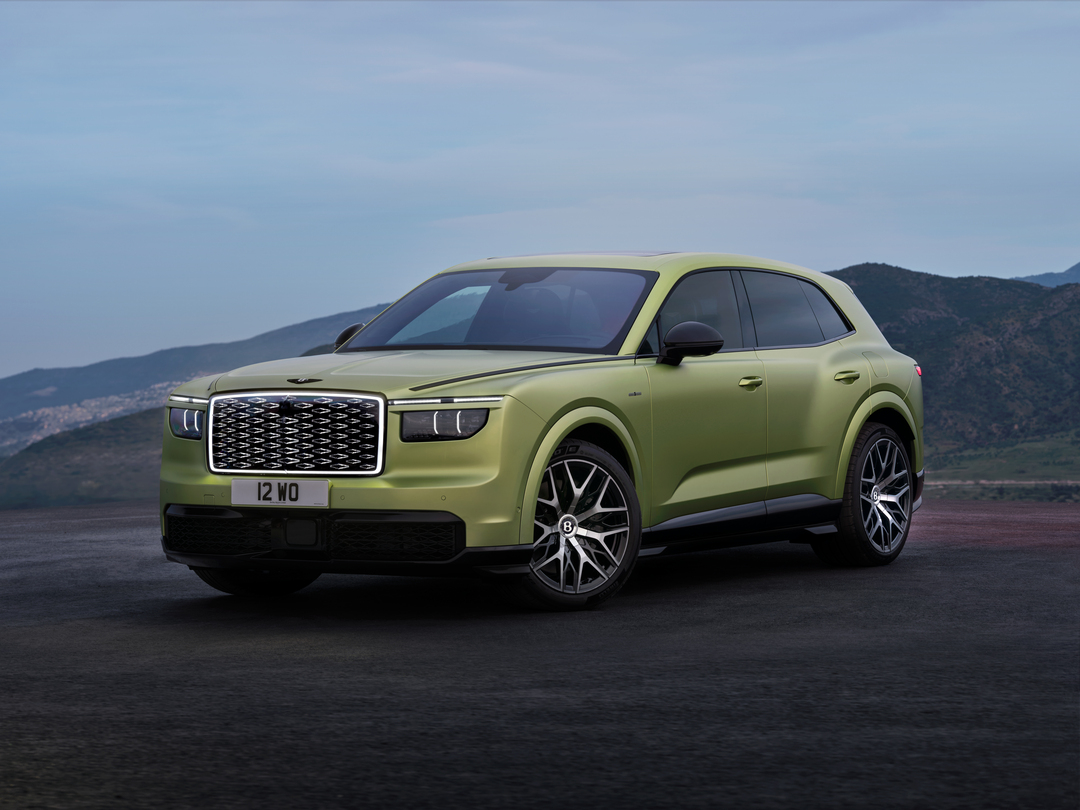
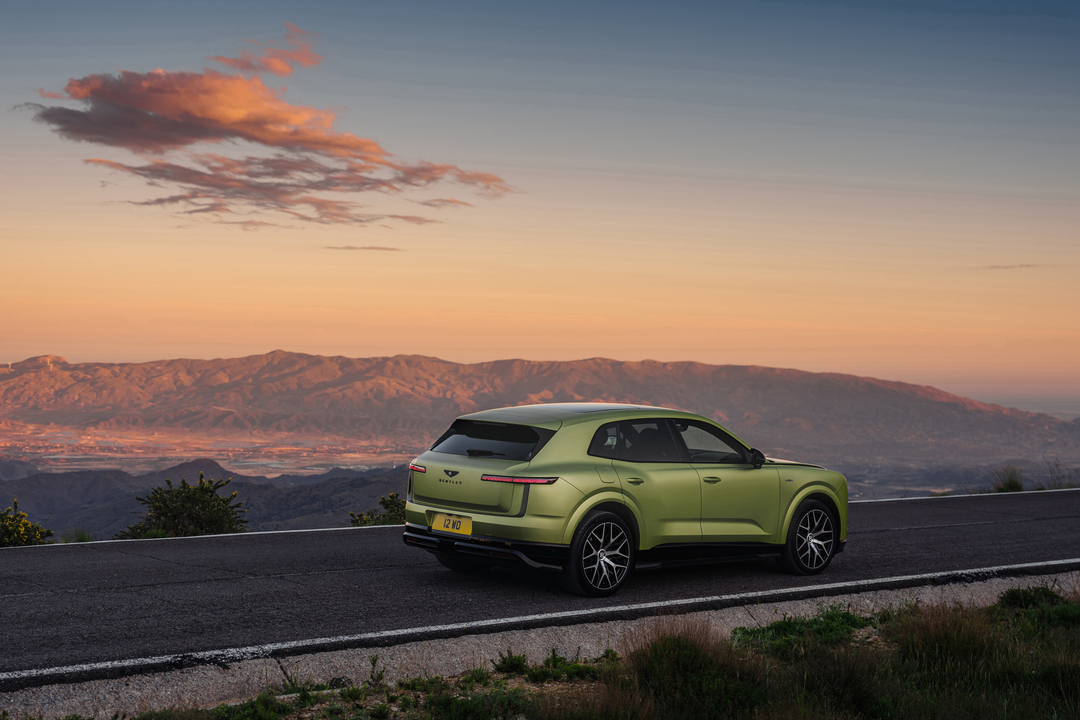
Bentley has revealed the Torcal, a new SUV the automaker’s Chairman and CEO, Dr. Frank-Steffen Walliser, called part of “the most incredibly complete cars” in the brand’s history, marking the company’s first fully electric production model.
Related: Bentley should build the Bentayga X Concept
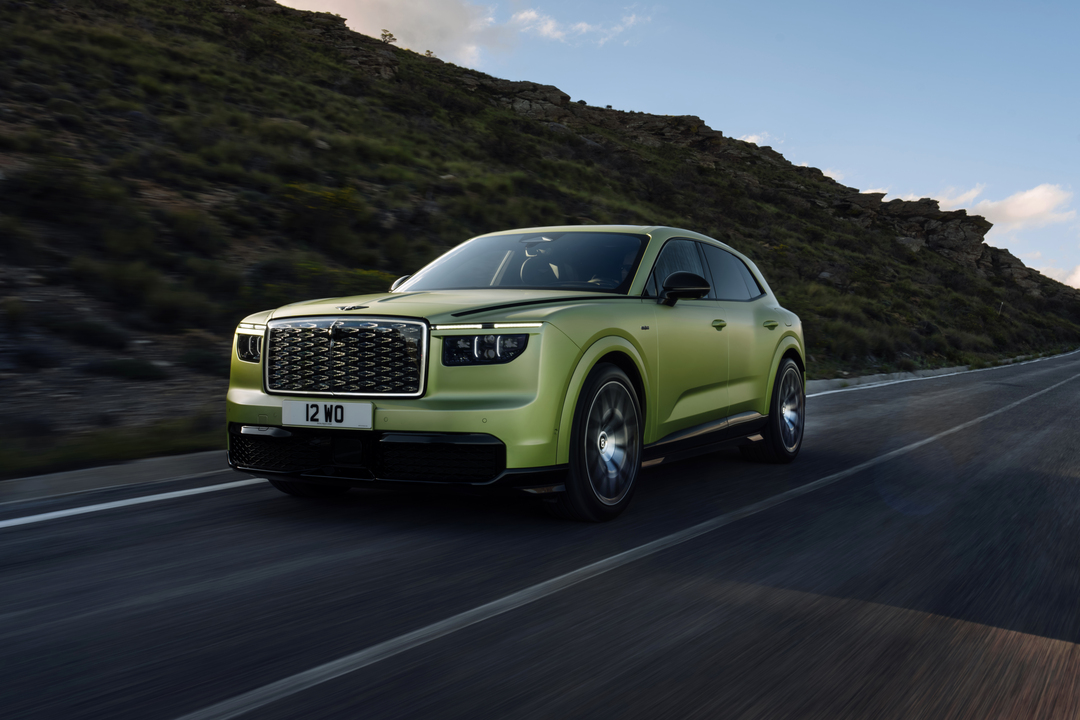
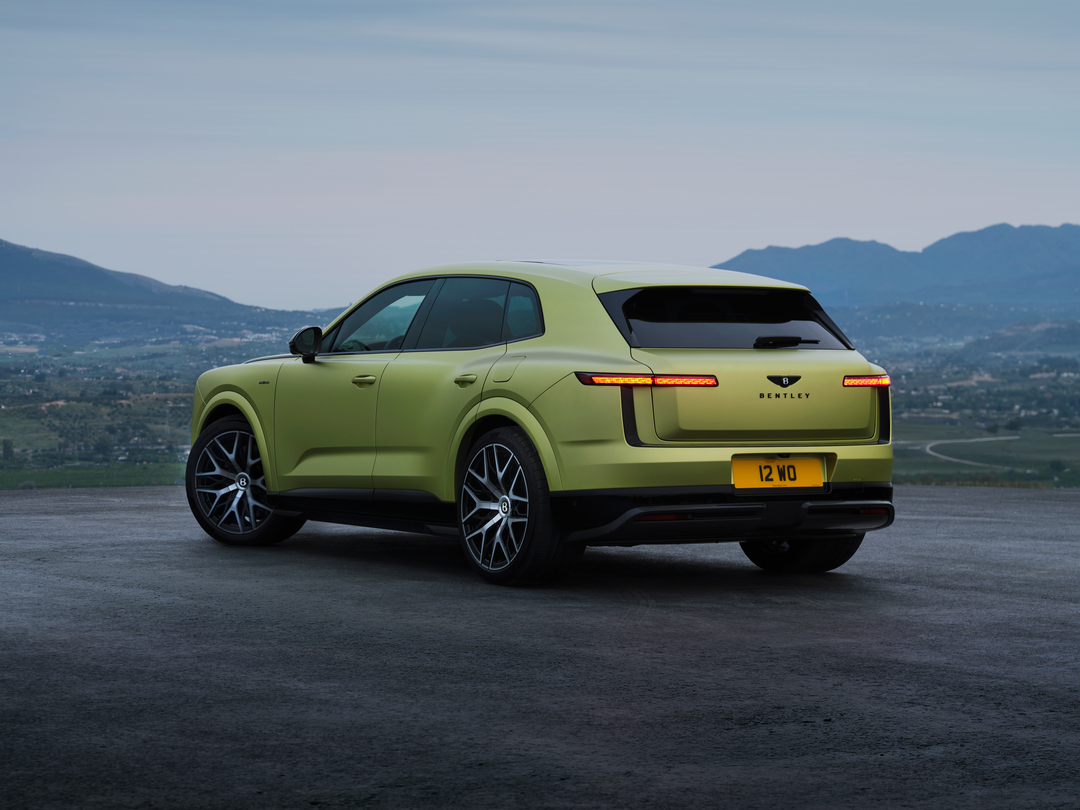
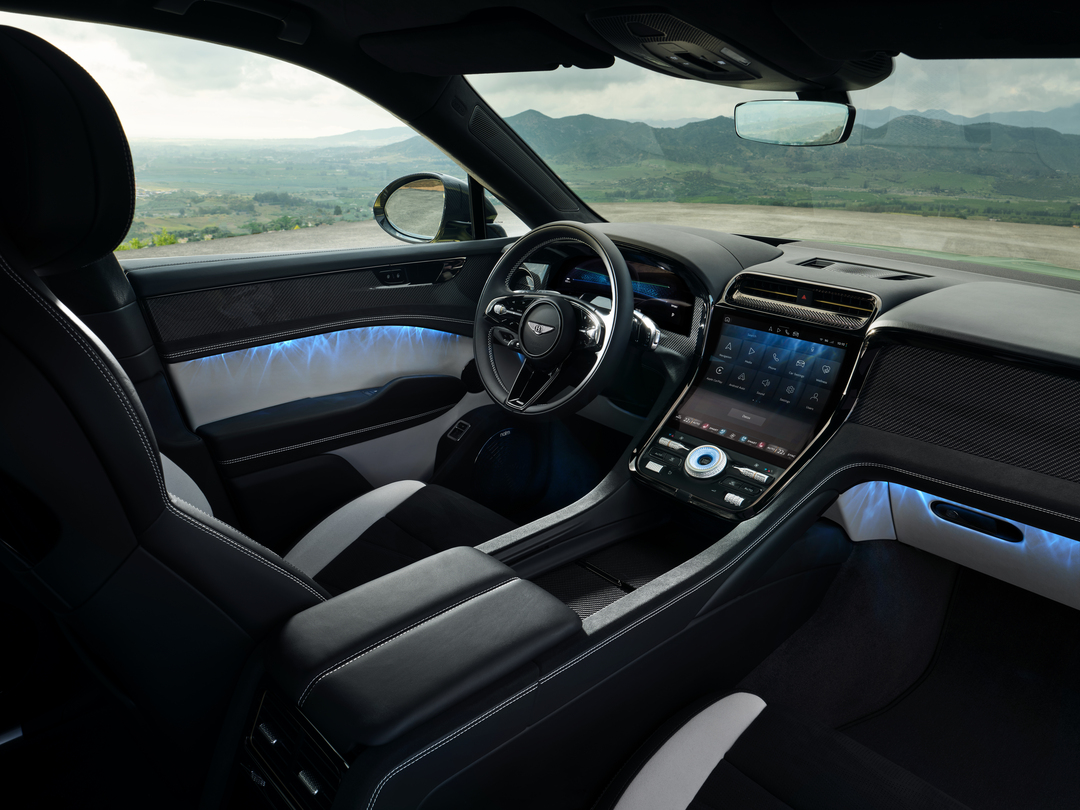
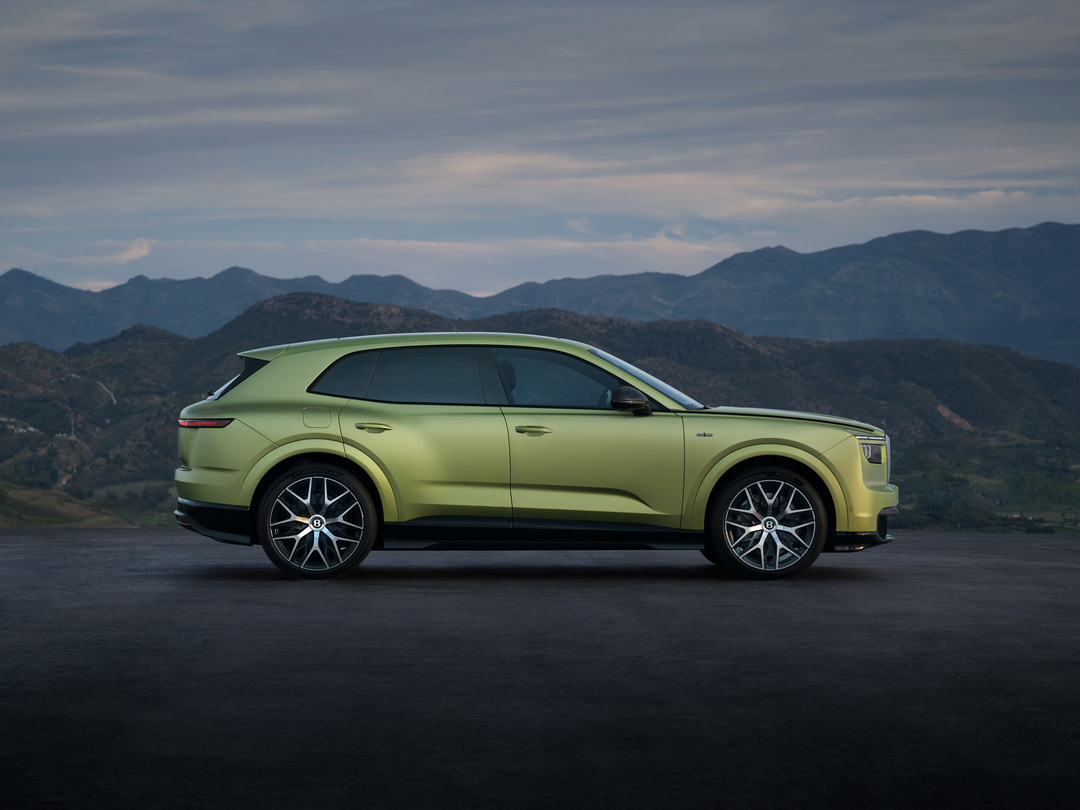
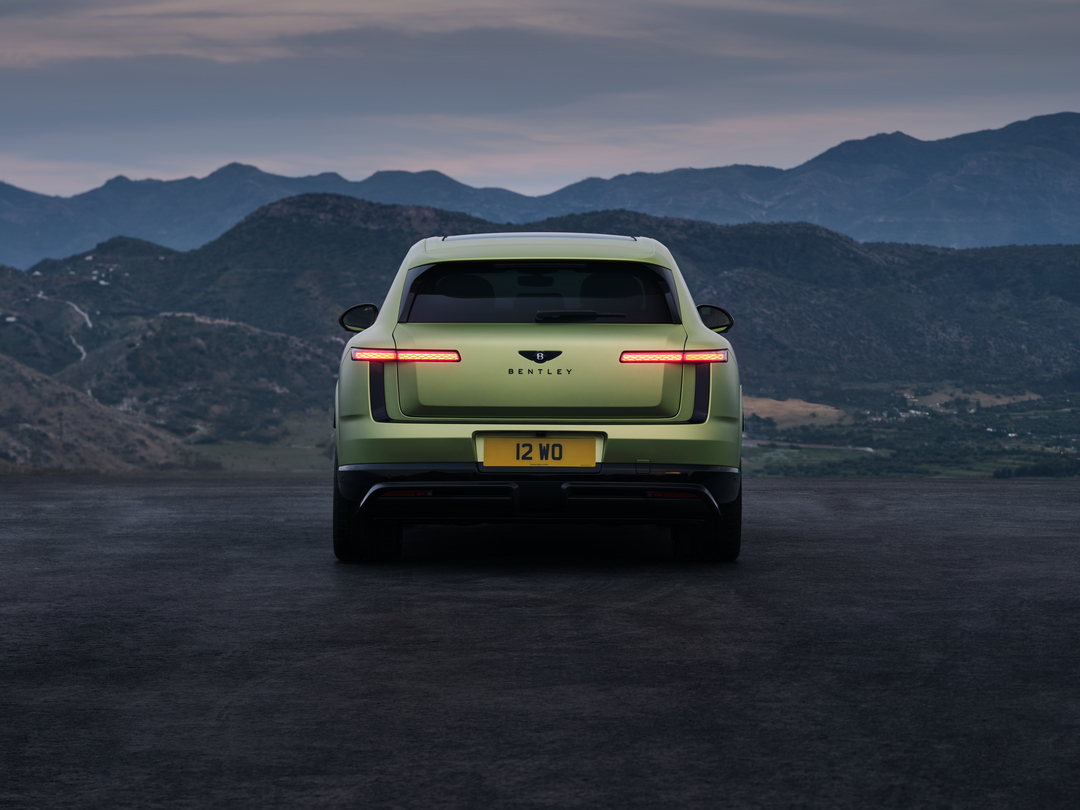
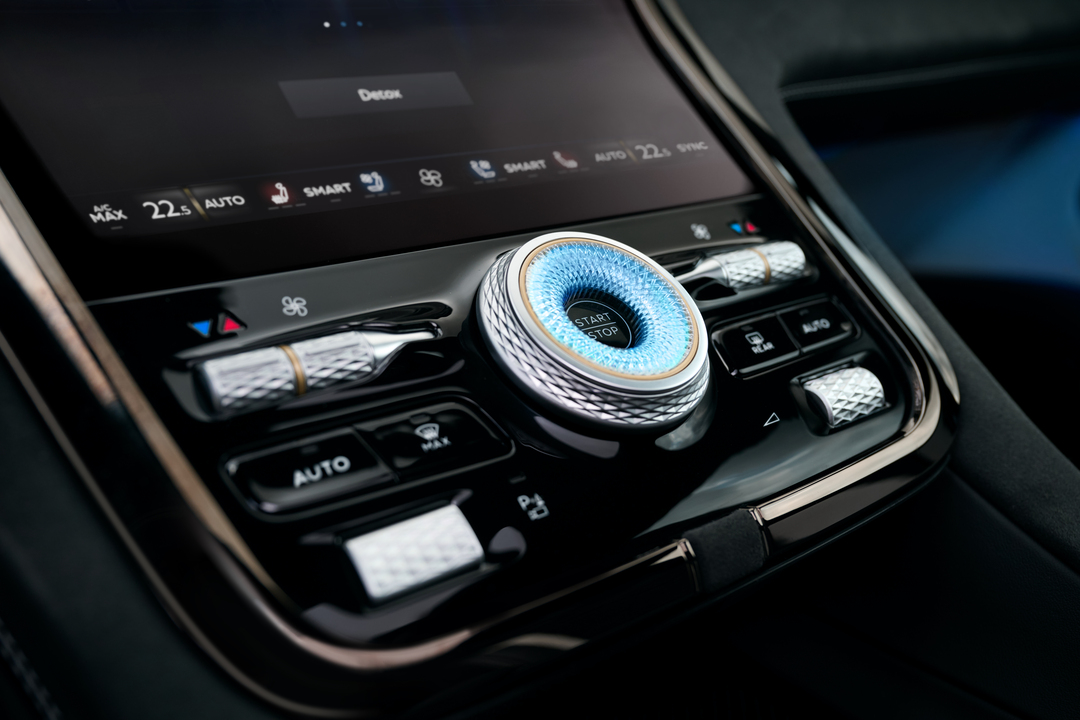
Designed under the direction of Design Director Robin Page, the SUV was developed around what Bentley’s design team calls four “reads” — proportion, graphics, surface language, and detail. Page explained the approach: “When we design a Bentley, we consider how people naturally perceive an object. You don’t experience a car all at once. There is a hierarchy to what you see and understand, which we describe through four ‘reads.'” A long wheelbase and short overhangs were used to create what Bentley described as an “upright elegance” stance, while the front end drew design cues from the Continental T through updated lighting and an illuminated diamond grille. The rear was given clean, uncluttered graphics that Bentley referred to as a “prestigious shield,” a concept first shown on the EXP 15 concept car. The tapered cabin and pronounced rear haunches were built to create a “resting beast” silhouette, while a diamond motif recurred throughout the exterior and interior in varying levels of abstraction. Bentley’s dashboard layout continued to reference the brand’s wing emblem, paired with leather, wool, veneer, and aluminum trim. Physical controls, including knurled switches and bullseye-style vents, were retained in the center console and steering wheel.
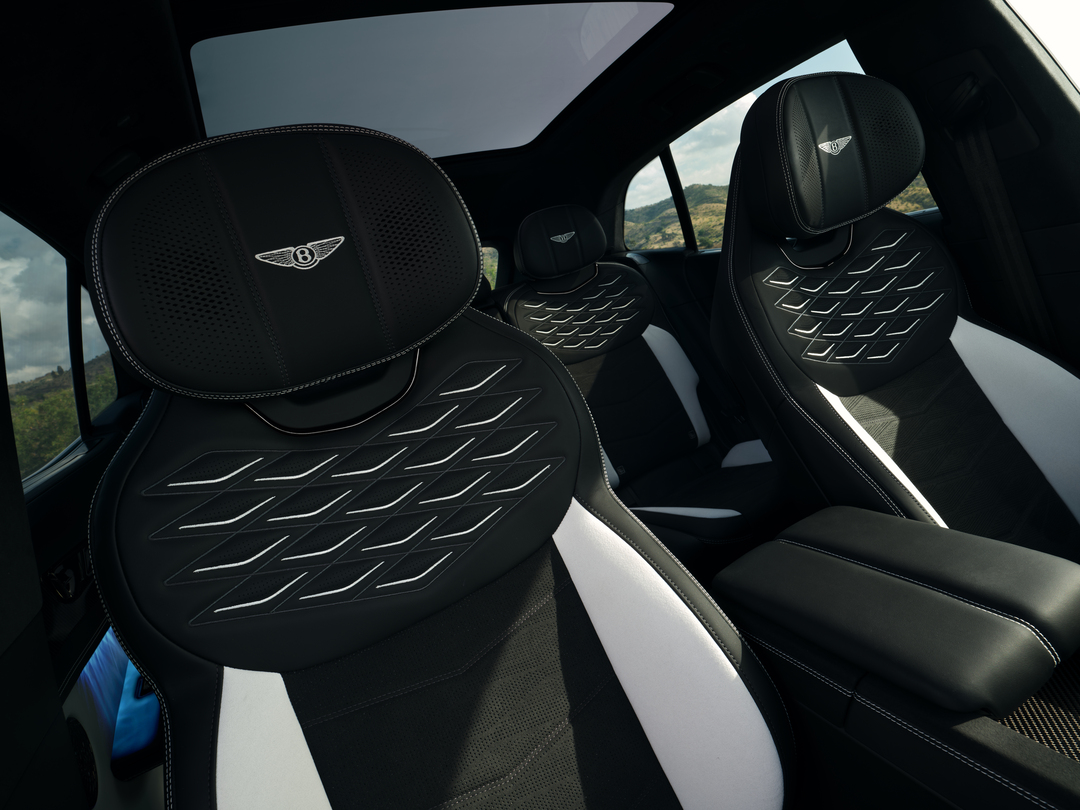
Seating was redesigned with technology in mind. Standard seats came with 16-way adjustment, heating, ventilation, adjustable bolsters, and a massage function. Bentley’s Postural Adjust and Smart Seat Climate systems were offered as options, continuously adjusting seat shape and temperature for long-distance comfort, and a Wellness Seat specification extended the massage function into the leg area. A power-folding third rear seat was introduced for the first time on a Bentley.
Five wheel designs were offered across the Torcal lineup. The standard car came with a 21-inch wheel, while the S variant came standard with a ten-twin-spoke 22-inch wheel, with three additional 22-inch options available. Summer, winter, and all-season tire compounds were offered across the 21- and 22-inch sizes. The Torcal also became the first Bentley to carry the brand’s redesigned emblem, introduced the previous year.
Power came from a pair of permanent magnet synchronous motors, with an open differential at the front and a locking differential with multi-plate clutches at the rear. Output reached up to 888 PS and 1,350 Nm of torque, the highest torque figure of any Bentley to date. Bentley said the acceleration figures — 0-60 mph in 2.8 seconds, or 0-100 km/h in 2.9 seconds — were deliberately tuned rather than maximized, noting that most customers found more extreme acceleration uncomfortable. [Note: this generic performance figure matches the S-specific figures given later in the release; the core model is separately listed at 3.3 seconds 0-60 mph / 821 PS — worth confirming which variant the opening performance figures actually describe.] A lithium-ion battery pack used 192 pouch cells in series at a nominal voltage of 800V, with 113 kWh of net capacity, and was backed by a 10-year, 100,000-mile warranty.
Fully active suspension was fitted for the first time on a Bentley, paired with adaptive two-valve dampers that adjusted independently at each corner, eliminating the need for anti-roll bars. Electronic all-wheel steering was standard, using up to 5 degrees of rear steering angle to reduce the turning circle to 11.1 meters. Standard brakes use 420mm front and 370mm rear iron discs, with an optional Carbon Silicon Carbide ceramic system offering 440mm front and 410mm rear discs, available in black, red, or grey calipers as standard, with additional colors through Mulliner.
Bentley positioned the Torcal as comparable in comfort to the Flying Spur and in dynamics to the Continental GT Speed, with four curation modes meant to adjust its character.
Measuring five meters in length, the Torcal was the shortest four-door in Bentley’s lineup, with 460 liters of boot space and an additional 90-liter front storage area. Range was rated at up to 375 miles (600 km), with 10-80% charging possible in under 20 minutes at 400 kW, adding roughly 100 miles (161 km) of range in seven minutes. Driver assistance was handled by 25 radars, sensors, and cameras, enabling features such as automated reversing around obstacles on narrow roads, assisted towing and parking, remote parking via app, and trainable parking maneuvers. Four doors opened and closed automatically via radar, triggered by seatbelt engagement, the touchscreen, or brake pedal pressure for the driver’s door. A Frosted Diamond switchable-glass sunroof was also fitted.
Sound was a focus of development. Rather than simulate an engine note electronically, Bentley recorded real instruments — drums, viola, and bass guitar — to create what it called the Bentley Dynamic Symphony, a synthesized soundtrack that responded to torque demand and vehicle speed, increasing in volume in Sport mode, with an option to switch it off entirely. Turn signal sounds were sourced from a recording of a hammer striking leather in Bentley’s upholstery workshop, and the touchscreen and digital assistant tones were derived from the sound of a crystal glass. Audio hardware options ranged from a 620W, 16-speaker base system to a 1,780W, 28-speaker system developed with Naim, which added seat shakers, headrest speakers, and Dolby Atmos 7.1 support.
Four Experience Modes were offered: Bentley Mode, described as balancing comfort and craftsmanship; Comfort Mode, which reduced ambient distraction and offered a “digital detox” option hiding non-essential screen information; Sport Mode, which intensified sound, lighting, and visual feedback; and Refresh Mode, which increased fresh-air circulation and brightened cabin lighting. Curved OLED displays were used throughout the cabin, and facial recognition allowed the car to automatically load individual driver preferences for seating, steering, and ADAS settings. A phone-based digital key was also supported. An augmented-reality head-up display projected navigation and driver-assistance information directly into the driver’s line of sight.
Material development included a new 100% Merino wool fabric developed with Somerset weaver Fox Brothers, certified under the Responsible Wool Standard — Bentley said it was the first automotive fabric of its kind to receive that certification. A new Ombré Walnut finish from Mulliner used up to 1,000 layers of reclaimed walnut off-cuts and recycled paper, sliced to under a millimeter and pressed to create a gradient across four wood tones. A Sunburst Aluminium finish, also from Mulliner, reinterpreted Bentley’s traditional engine-turned aluminum dashboard trim with a three-way brushed pattern. Interior color choices included 15 shades of olive tan leather, 15 matching Dinamica shades, Merino wool in five colors, six wood veneers, two technical finishes, and six piano finishes.
Bentley launched the Torcal in two variants. The core model produced 821 PS and 1,194 Nm, with a 0-100 km/h time in 3.4 seconds and a top speed of 250 km/h. The Torcal S produced 888 PS and 1,350 Nm with Launch Control engaged, reaching 100 km/h in 2.9 seconds and a top speed of 260 km/h. Standard trim included satin silver brightware, a single-tone color split, and Open Pore Crown Cut Walnut, while the S added black exterior brightware and mirror caps, dark rear lamps, a rear diffuser, sports sills and front bumper strakes, red brake calipers, S fender badges with black wing badges, a dedicated S color split with a distinct quilt and stitch pattern, sports pedals, standard piano black veneer, and illuminated treadplates with dynamic “waterfall” mood lighting.


0 Comments
Leave a Reply