
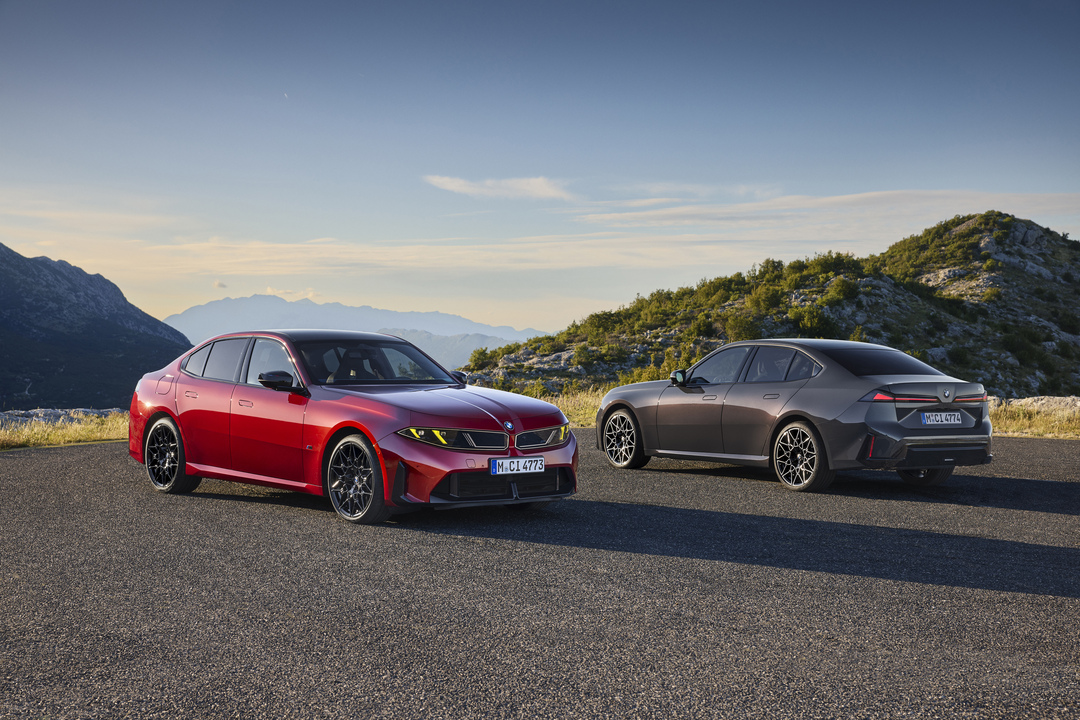
BMW has unveiled the new 3 Series, headlined by the fully electric BMW i3, the first 3 Series built on the Neue Klasse platform. Two electric models are offered at launch, with petrol variants featuring 48V mild-hybrid technology alongside them. A plug-in hybrid (PHEV) version will join the range over the coming year.
Related: BMW unveils Vision Driving Experience test vehicle
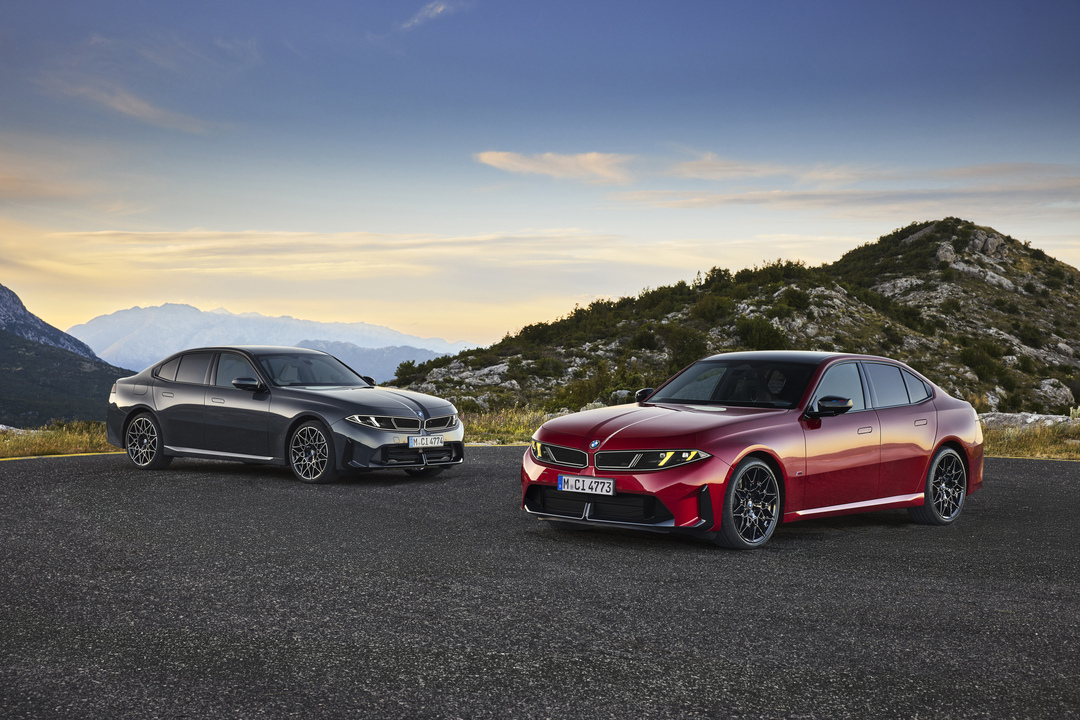
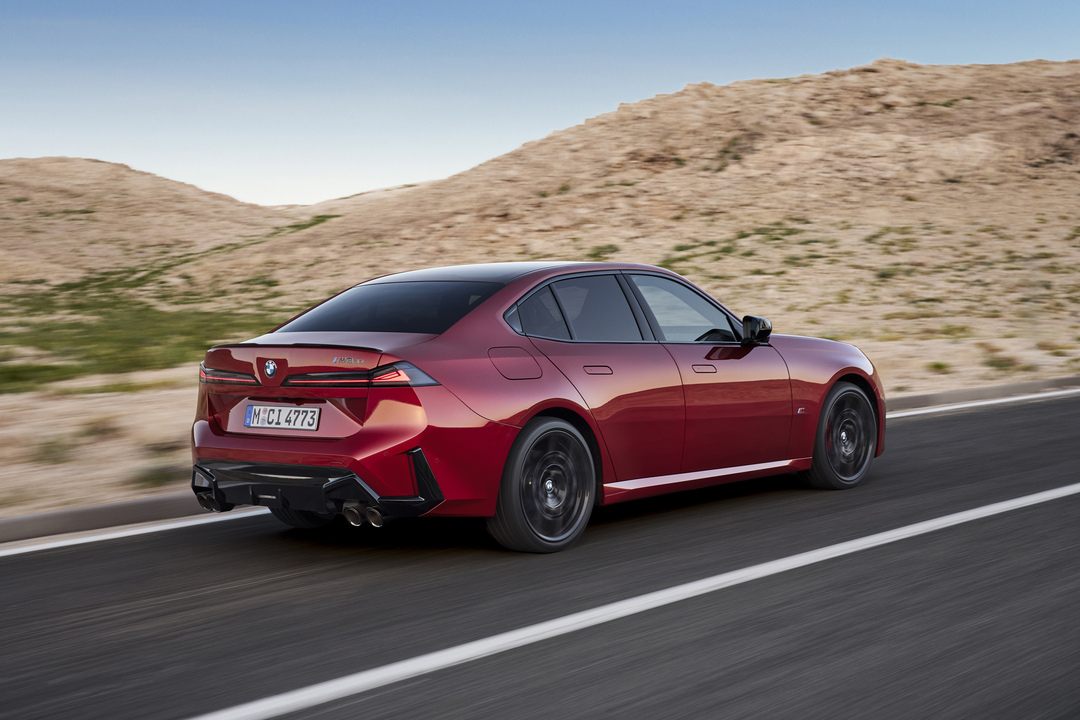
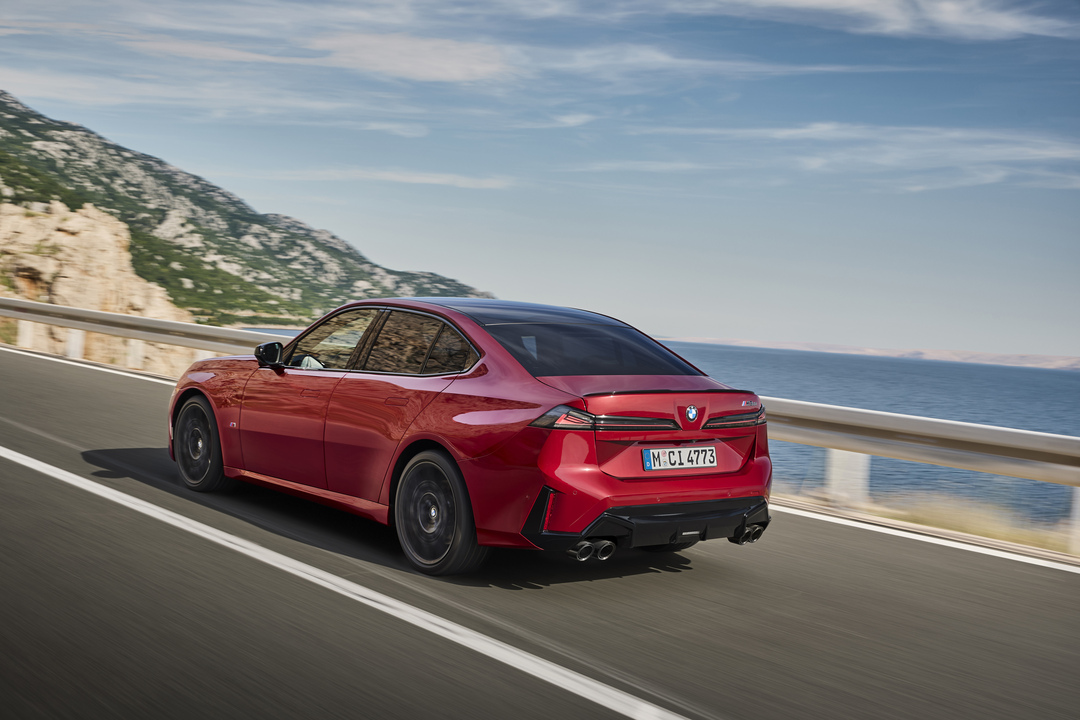
All new 3 Series models share Neue Klasse styling. The electric i3 and the combustion-engine models differ only in details related to their drive systems. The sedan keeps a 2.5-box profile with a longer wheelbase, short overhangs, a set-back glasshouse and flared wheel arches. A character line along the flanks lowers the car’s visual center of gravity, and the door handles are flush-fitting and extend automatically when the car is unlocked.
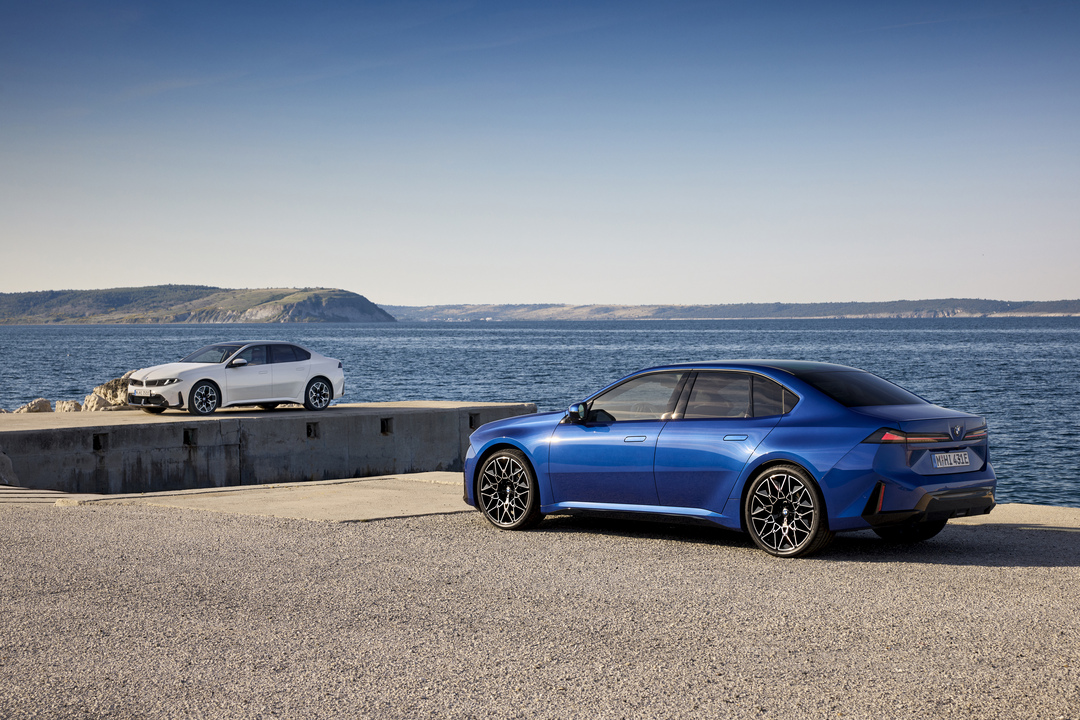
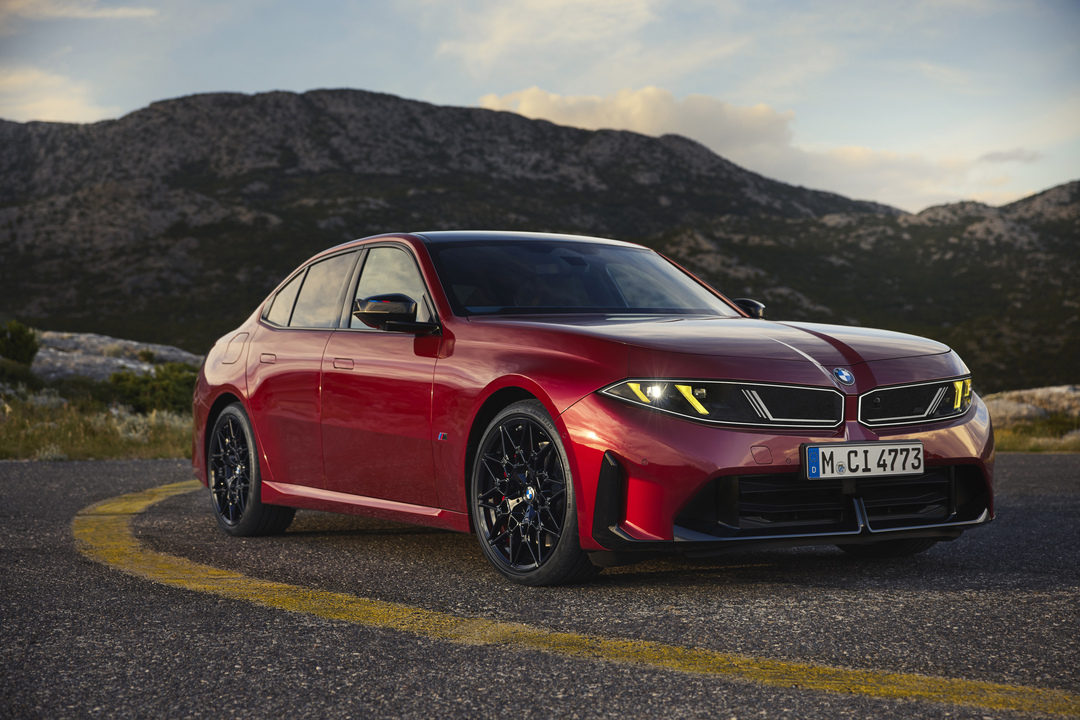
Up front, the kidney grille and twin headlights merge into a single unit with a new light signature. M Performance models get M Yellow Lights, a feature adopted from racing car design. At the rear, the lights are arranged horizontally.
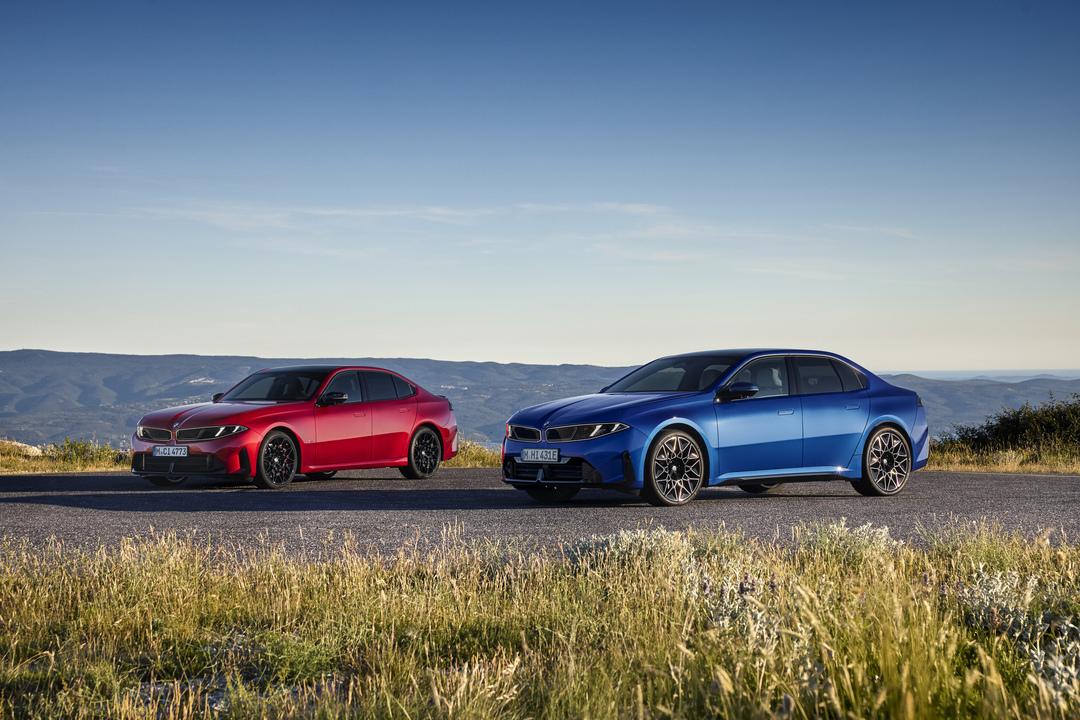
The i3 rides on 19- to 21-inch wheels, while combustion-engine models can be fitted with 18- to 20-inch alloys. M Sport and M Sport Pro packages are optional. Paint options include an exclusive M Le Castellet Blue metallic, with BMW Individual finishes to follow during 2027.
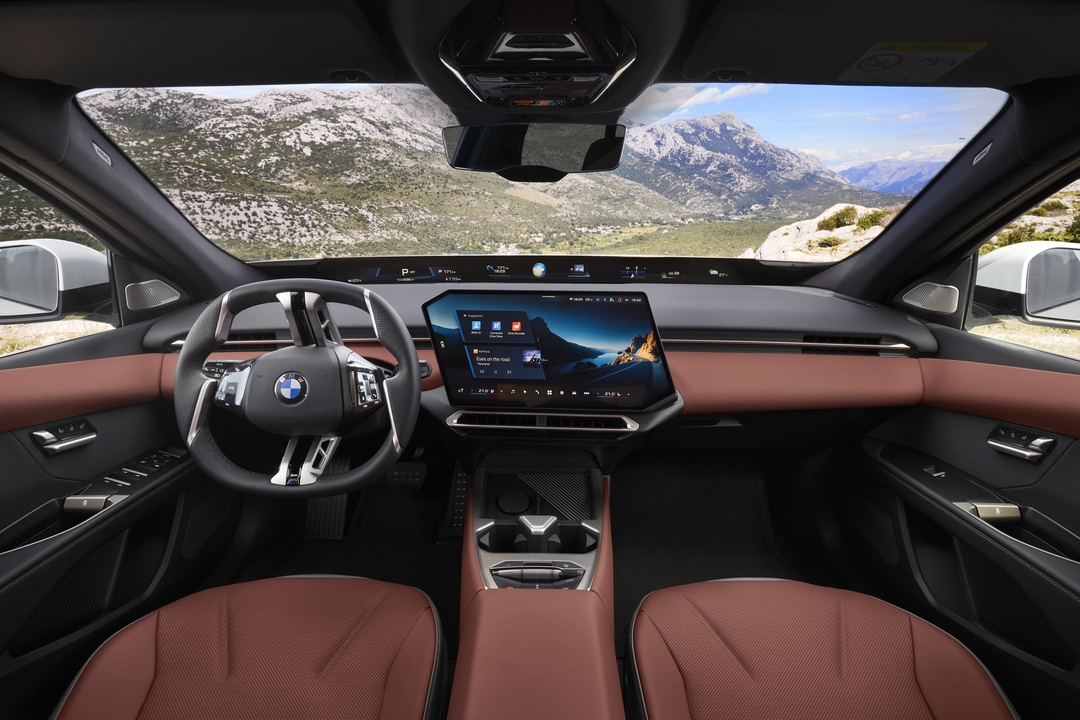
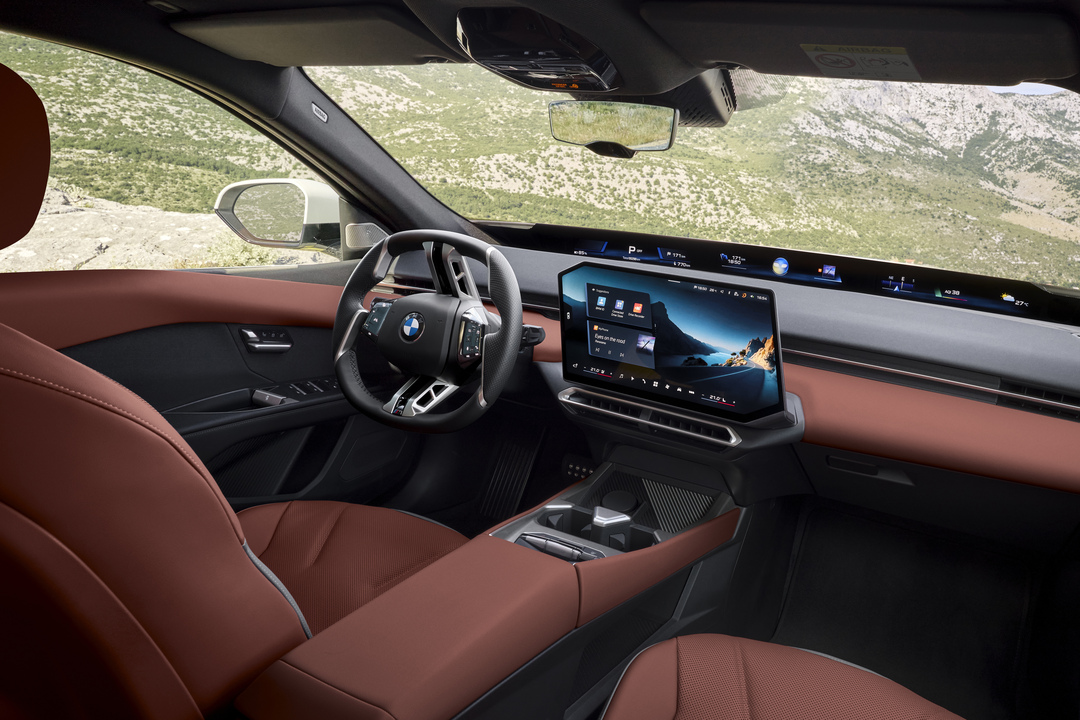
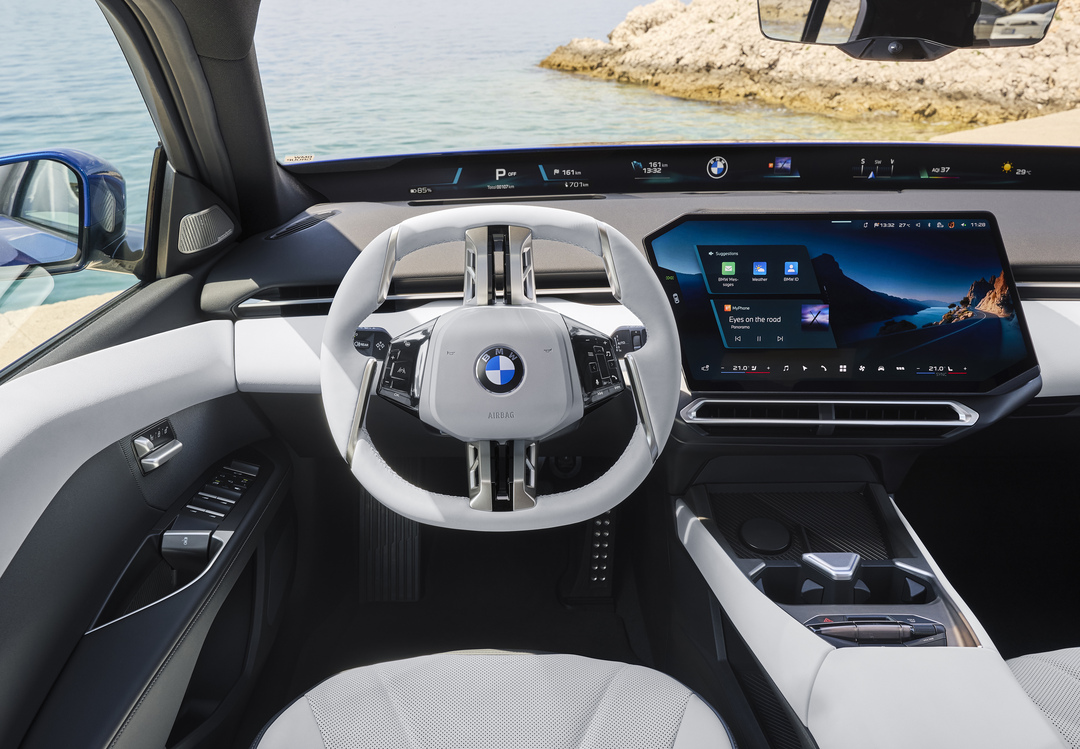
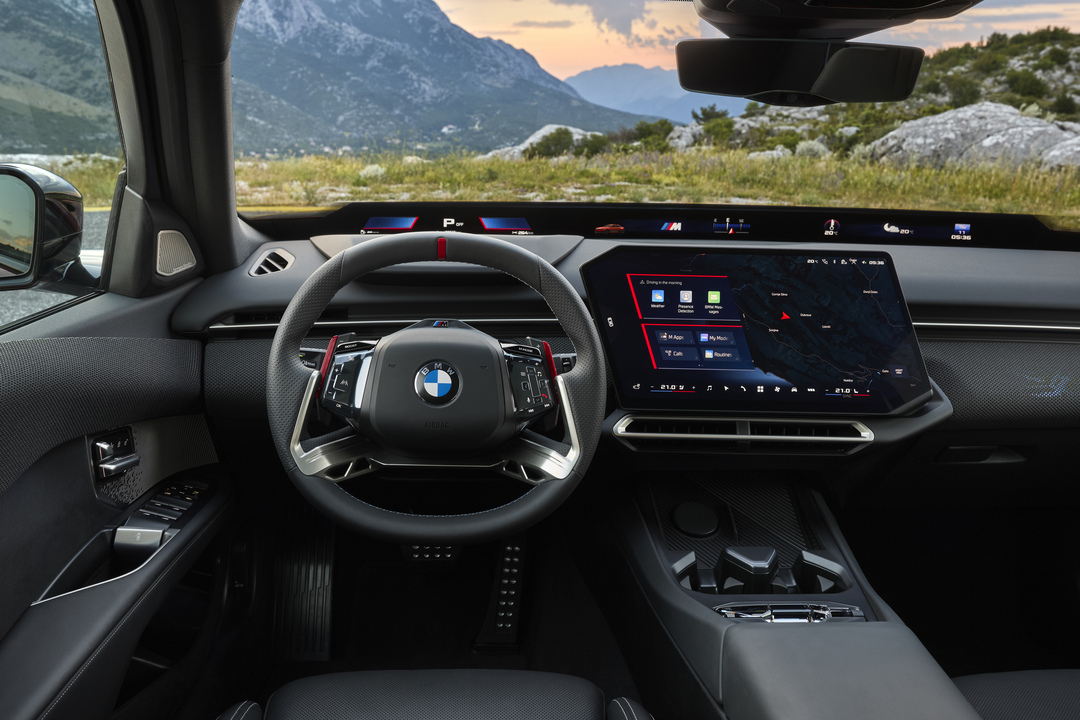
Inside, the cabin uses BMW Panoramic iDrive, which combines four elements: BMW Panoramic Vision, an optional BMW 3D Head-Up Display, a 17.9-inch Central Display angled toward the driver, and a multifunction steering wheel. The new steering wheel has a central spoke in its upper section. M and BMW Individual steering wheels are optional. A large panoramic sunroof with climate comfort glazing is fitted.
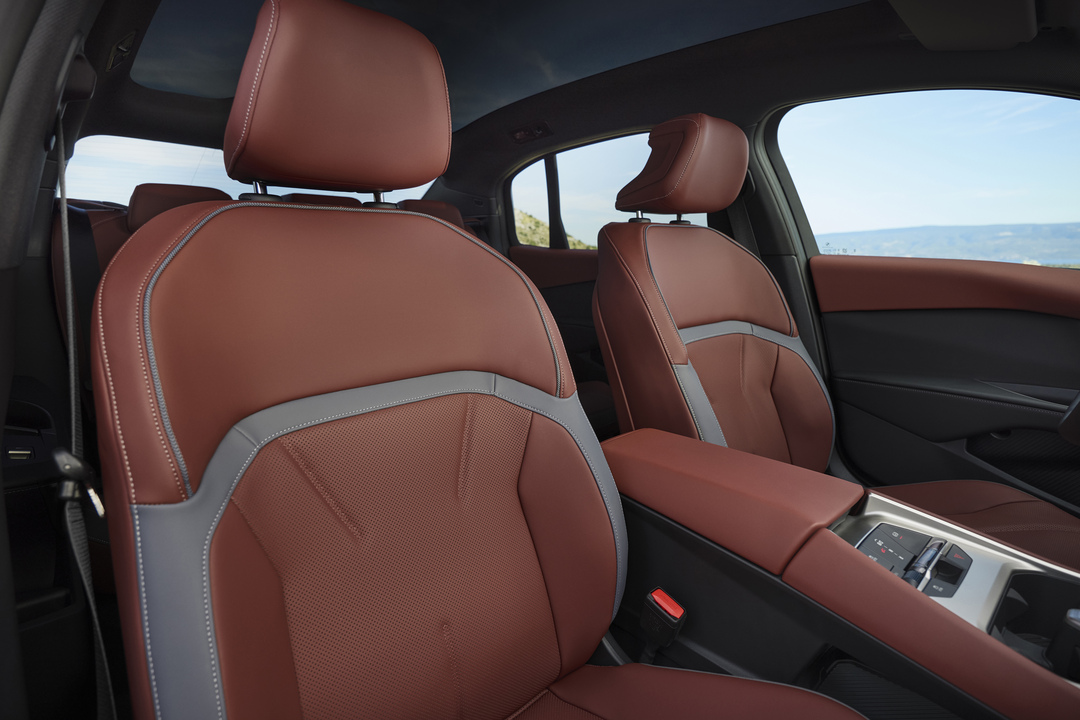
Standard seats are electrically adjustable and come with a memory function and the Travel & Comfort System. Multifunction seats, M Sport seats and rear seat heating are optional. A hi-fi system is standard, with Harman Kardon hi-fi and surround sound systems as alternatives. Buyers can pick from four interior designs, and My Modes lets them customize displays, sound, lighting and drive system settings.
Panoramic iDrive runs on BMW Operating System X, which is based on the Android Open Source Project and built to receive regular software updates. Operation combines touch, haptic and voice input. The BMW Intelligent Personal Assistant now integrates Amazon Alexa+ AI technology for more conversational voice control. The optional BMW Digital Premium package adds a Security Assistant and extended navigation functions in BMW Maps, and the system offers a larger entertainment selection than before.
The i3 uses sixth-generation (Gen6) BMW eDrive technology, which includes new cylindrical-cell high-voltage batteries, highly efficient electric motors, 800V architecture, and bidirectional charging. Both launch versions have one motor on each axle.
The i3 50 xDrive produces 345 kW (469 hp) and 645 Nm of torque, and reaches 100 km/h in 4.7 seconds. Its 108.7 kWh battery gives a maximum WLTP range of 912 km. It charges at up to 400 kW on DC, enough to add up to 423 km of range in just ten minutes.
The i3 40 xDrive delivers 275 kW (374 hp) and an 82.8 kWh battery, with a maximum WLTP range of 710 km. A high-performance i3 M60 xDrive M Performance model is set to launch in 2027.
The BMW M350 xDrive is the top combustion-engine model. It uses a 3.0-liter in-line six-cylinder petrol engine with a 48V mild-hybrid system and a crankshaft-driven starter-generator, producing 326 kW (443 hp). It reaches 100 km/h in 4.1 seconds and has an electronically limited top speed of 250 km/h. BMW describes it as the entry point into the world of BMW M. Two four-cylinder in-line petrol variants also arrive at launch. All petrol engines use the latest generation of BMW TwinPower Turbo technology.
The M350 xDrive introduces Drift Moment, activated via the Central Display, which sends engine power exclusively to the rear wheels. BMW says this feature was previously reserved for high-performance models from BMW M GmbH. Adaptive M suspension is standard on the M350 xDrive. Other combustion-engine models can be ordered with adaptive or adaptive M suspension, and adaptive M suspension is optional on the all-wheel-drive i3.
The i3 is controlled by the Heart of Joy high-performance computer, which BMW says works ten times faster than previous systems. Its Driving Stack combines all drive system and driving dynamics functions in a single control unit for the first time. Combustion-engine models have their own BMW Driving Stack, tuned for those drivetrains.
All 3 Series models offer standard and optional assistance systems, including SAE Level 2 driver assistance and active safety functions. BMW Symbiotic Drive coordinates driver behavior with the assistance systems. The Motorway Assistant allows hands-free driving up to 130 km/h in 21 countries. From 2027, new functions will add navigation-guided, partially automated driving in urban areas.
The i3 is built at BMW Group Plant Munich, where the first 3 Series was produced in 1975. Next year, the plant will switch entirely to Neue Klasse electric models. Combustion-engine 3 Series models will be built at Plant Dingolfing, BMW Group’s largest European manufacturing site. Plant Steyr in Austria produces core components for the electric drive system and the combustion engines, and high-voltage batteries come from the new Irlbach-Straßkirchen plant in Bavaria.



0 Comments
Leave a Reply