

Honda is celebrating the 30th anniversary of the CR-V, one of its most successful global SUV models. First launched in Japan in 1995, the CR-V has since been sold in about 150 countries, with cumulative sales surpassing 15 million units as of August 2025. Before it sinks in, yes, the CR-V has just indeed turned 30. Do you feel old yet?
Originally standing for “Comfortable Runabout Vehicle,” the CR-V was developed under Honda’s “Creative Mover” concept, designed to offer both comfort and practicality for everyday use. It pioneered the “urban SUV” category by combining passenger car-like comfort with off-road capability.
Over three decades, the CR-V has continuously evolved to meet customer needs. Most recently, in July 2024, Honda introduced the CR-V e:FCEV, the first fuel cell vehicle with plug-in charging capability from a Japanese automaker. Based on global sales from 2015 to 2024, the CR-V remains Honda’s best-selling automobile.

The current sixth-generation CR-V, launched in 2022, continues this legacy with a refined design, larger cabin space, and improved performance. The CR-V e:HEV hybrid variant, equipped with Honda’s two-motor hybrid system, has been well received in North America, China, and the Philippines and is set to launch in Japan soon. Ahead of its release, the CR-V e:HEV Prototype will be showcased at the Japan Mobility Show 2025, running from October 29 to November 9.
CR-V Generations at a Glance:
First Generation (1995):
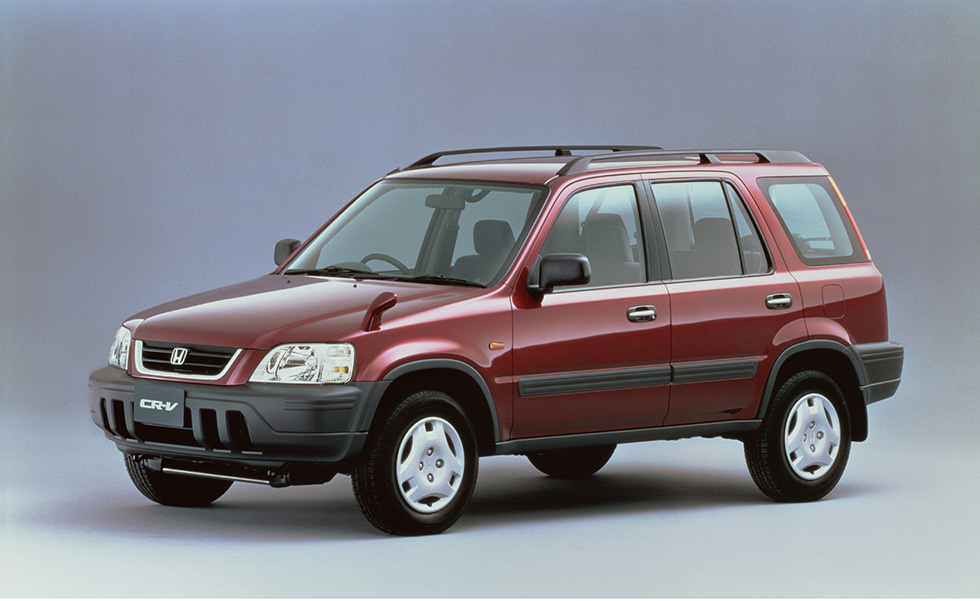
Debuted in Japan as part of Honda’s “Creative Mover” lineup, offering a car-like driving experience and spacious interior. Introduced to the U.S. in 1997, it established the “urban SUV” category, and is definitely one of the trendsetters.
Second Generation (2001):
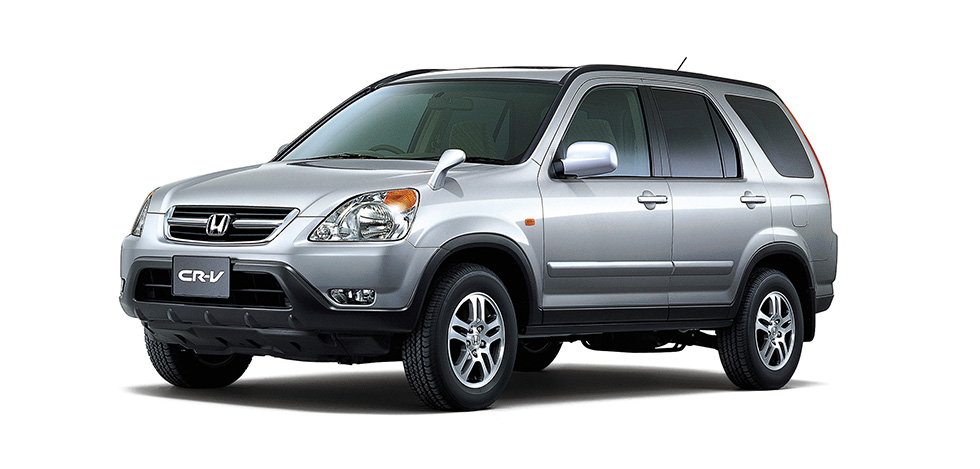
Featured a larger and more versatile cabin, expanding global sales to China. There was even a 10-seater CR-V made specifically for the Philippine market to help it pass as an AUV (Asian Utility Vehicle).
Third Generation (2006):
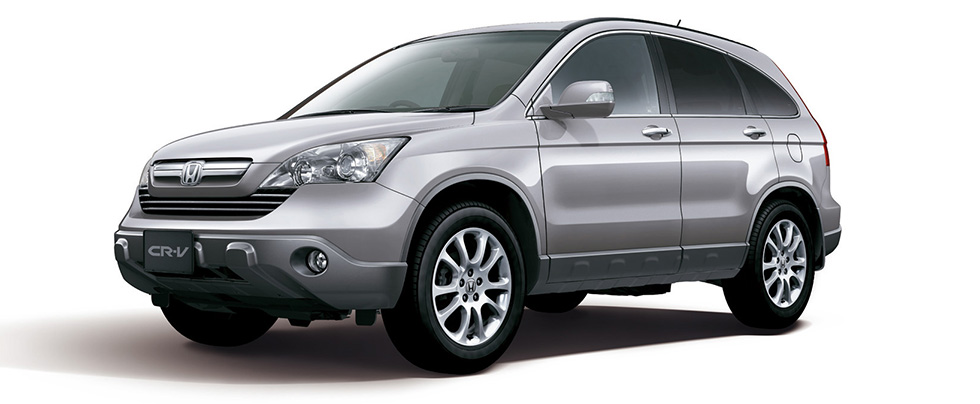
Adopted a sleeker, more sophisticated design, with improved performance from a K24 2.4L i-VTEC engine and upgraded suspension.
Fourth Generation (2011):
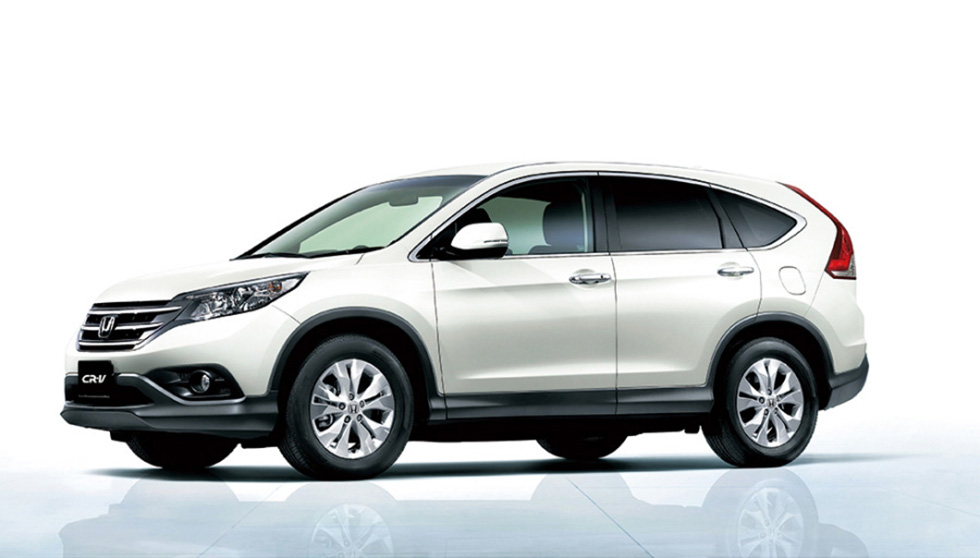
Improved fuel efficiency, aerodynamics, and interior comfort. Cumulative global sales reached 5 million units.
Fifth Generation (2016):
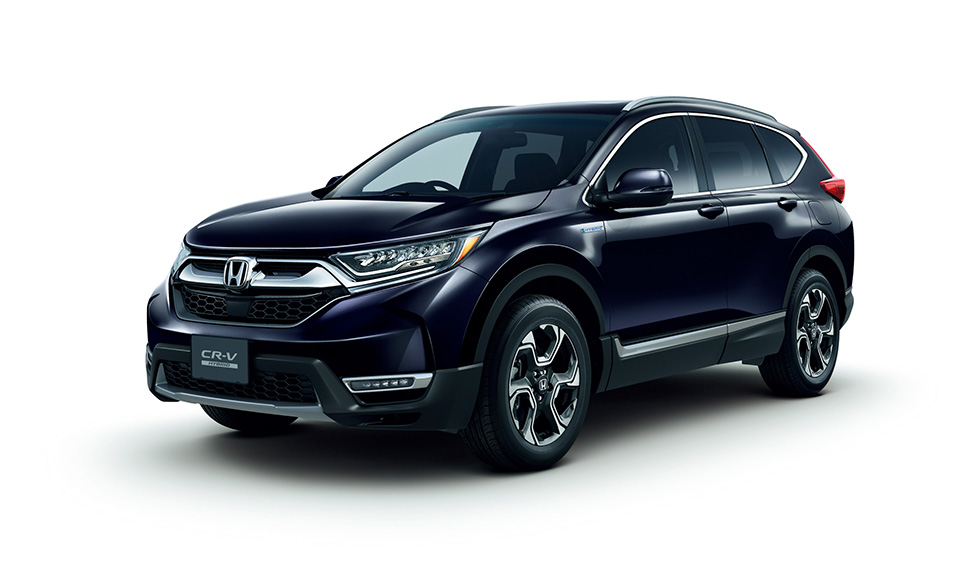
Introduced the CR-V Hybrid powered by Honda’s two-motor hybrid system. Honda SENSING became standard in Japan. Global sales surpassed 10 million units by 2018. In the Philippines, this generation also introduced the 1.6-liter DTEC engine, bringing Diesel performance and fuel-efficiency to buyers.
Sixth Generation (2022):
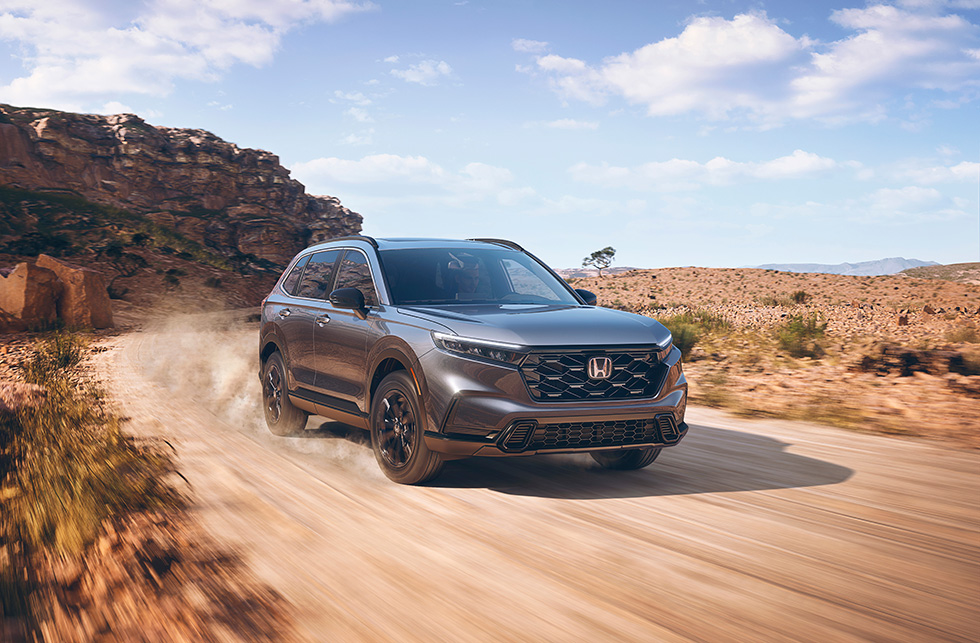
Brought a larger cabin, refined styling, and enhanced hybrid performance, gaining popularity in North America and China.
Related: 2023 Honda CR-V V Turbo CVT – Is the new entry variant worth the coin?
Related: The new benchmark? 2024 Honda CR-V first drive impressions – Feature
Watch: Discovering a new driving range and free club fitting session with Honda CR-V AWD Turbo | YugaAuto
CR-V e:FCEV (2024):
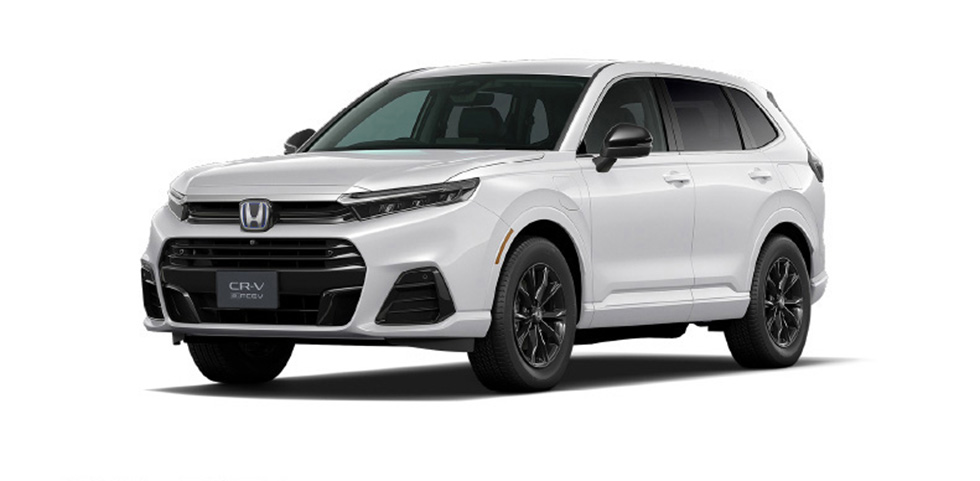
Introduced as Honda’s first plug-in fuel cell SUV, offering both hydrogen and electric charging options.
As the CR-V enters its fourth decade, Honda aims to continue offering innovative mobility products that enhance customers’ everyday lives worldwide, and as far as we can see, the CR-V is here to stay.






0 Comments
Leave a Reply